

Principles and Working Scene Characteristics of Sodium Nitrate Material Handling
HeadPowder, a leading enterprise in the field of material handling solutions, specializes in the design and implementation of efficient systems for transporting sodium nitrate. This article delves into the fundamental principles governing sodium nitrate material handling and highlights the key characteristics of operational scenarios where such systems are applied.
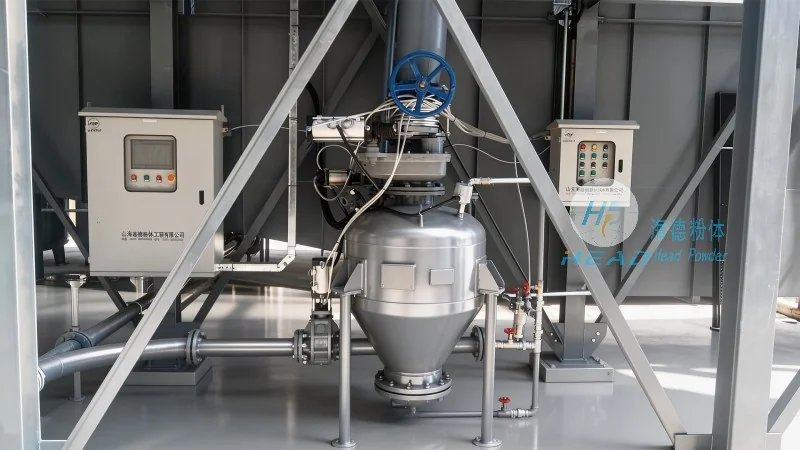
Company Profile and Expertise
Shandong HeadPowder Engineering Co., Ltd., commonly known as HeadPowder, is a reputable company based in Shandong, China. With a strong focus on engineering excellence and customer-centric solutions, HeadPowder has established itself as a trusted provider of material handling systems tailored to the unique requirements of various industries. The company's expertise lies in the integration of advanced technologies and robust engineering practices to ensure reliable and efficient material transport, particularly for bulk materials like sodium nitrate.
The Principles of Sodium Nitrate Material Handling
The effective handling of sodium nitrate involves adhering to several core principles that ensure safety, efficiency, and compliance with industry standards. First, understanding the physical and chemical properties of sodium nitrate is crucial. As a white crystalline solid, sodium nitrate is hygroscopic, meaning it can absorb moisture from the air, which may affect its handling characteristics and storage conditions. This property necessitates the use of dry, well-ventilated environments and appropriate packaging to prevent caking or degradation. Second, the principle of containment and spill prevention is paramount due to the material's potential hazards. Sodium nitrate is classified as a hazardous material in many regions, and handling systems must incorporate features such as sealed conveyors, containment trays, and emergency shut-off mechanisms to mitigate risks associated with spills or leaks.
Third, the principle of energy efficiency and operational reliability is integral to modern material handling. HeadPowder's systems are designed to minimize energy consumption while maximizing throughput. This is achieved through the use of high-efficiency motors, variable frequency drives (VFDs), and optimized conveyor designs that reduce friction and wear. Additionally, the integration of sensors and monitoring systems allows for real-time tracking of material flow, enabling proactive maintenance and reducing downtime. The principle of scalability is also critical, as sodium nitrate handling systems must be adaptable to varying production volumes and operational needs. Modular designs and flexible configurations allow for easy expansion or reconfiguration without significant disruption to existing operations.
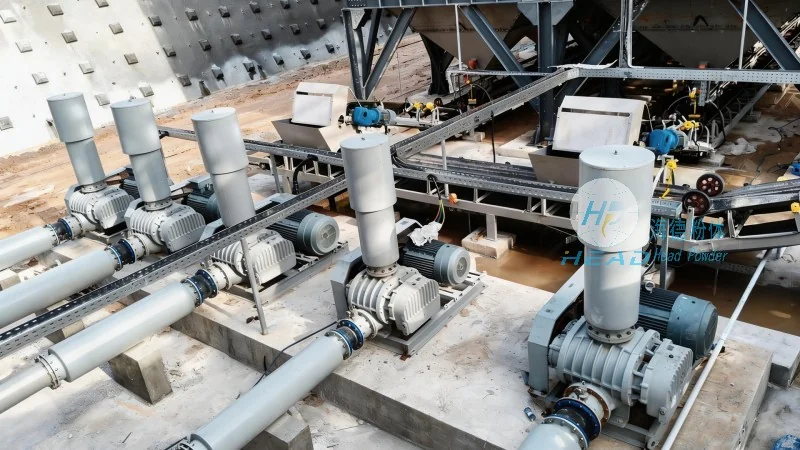
Key Working Scene Characteristics
The operational scenarios where sodium nitrate material handling systems are deployed exhibit distinct characteristics that influence system design and performance. One common scenario is in the fertilizer industry, where sodium nitrate is used as a nitrogen source in agricultural fertilizers. In such settings, the material is typically transported from storage silos to processing plants or directly to agricultural fields. The systems in these environments must handle large volumes of material, often in continuous operation, and may involve multiple stages of processing, such as blending with other nutrients or granulation. The working environment is usually industrial, with high ceilings and specialized equipment to accommodate bulk material movement.
Another typical scenario is in the chemical manufacturing sector, where sodium nitrate is used as an oxidizer or in the production of other chemical compounds. Here, the material handling systems must meet stringent safety and regulatory requirements due to the hazardous nature of sodium nitrate. The systems may include enclosed conveyors, dust collection systems, and explosion-proof components to prevent the risk of fire or explosion. The operational environment is often more controlled, with strict adherence to safety protocols and regular maintenance schedules to ensure system reliability.
A third scenario involves the mining and quarrying industry, where sodium nitrate is extracted from natural deposits and transported to processing facilities. In these operations, the material handling systems must be robust enough to handle abrasive and potentially contaminated material. The systems may include belt conveyors, bucket elevators, or pneumatic conveying systems, depending on the specific application and site conditions. The working environment is typically rugged and outdoor, with considerations for weather resistance and durability of equipment.
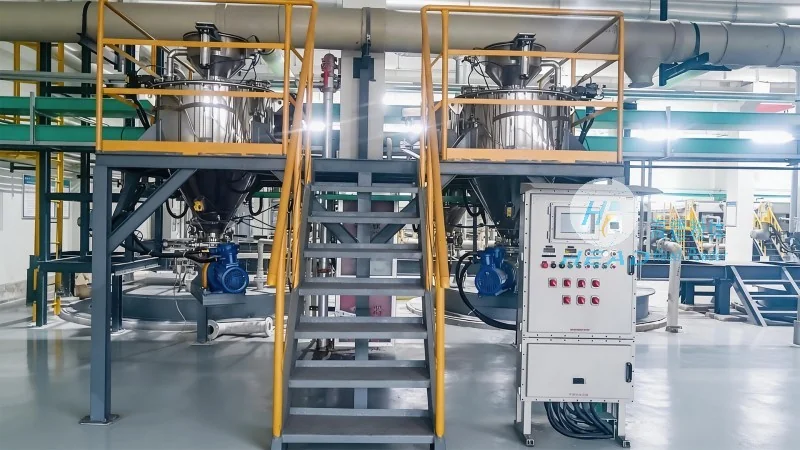
System Components and Design Considerations
Effective sodium nitrate material handling systems consist of several key components, each designed to address specific operational needs. The primary components include bulk material handling equipment such as belt conveyors, screw conveyors, and bucket elevators. Belt conveyors are widely used due to their ability to transport large volumes of material over long distances with minimal maintenance. They are often equipped with idlers, pulleys, and tensioning systems to ensure smooth operation and prevent material spillage. Screw conveyors are suitable for horizontal or slight incline transport, providing a compact and enclosed solution for handling sodium nitrate in confined spaces. Bucket elevators are used for vertical transport, capable of lifting material to significant heights while maintaining a continuous flow.
Conveyors are typically integrated with feeding and discharge mechanisms to control the flow of sodium nitrate. Feeding devices such as feeders or rotary valves regulate the material input, ensuring consistent and controlled feeding into the conveyor system. Discharge mechanisms, including chutes and hoppers, direct the material to its intended destination, such as storage silos or processing equipment. The design of these components must consider the hygroscopic nature of sodium nitrate, as moisture can affect the material's flow characteristics and cause clogging. Therefore, materials like stainless steel or coated surfaces are often used to prevent corrosion and maintain material integrity.
Control systems play a vital role in the operation of sodium nitrate material handling systems. Modern systems utilize programmable logic controllers (PLCs) and human-machine interfaces (HMIs) to monitor and control various aspects of the operation. These systems allow for real-time data collection, including flow rates, temperature, and pressure, enabling operators to make informed decisions and adjust system parameters as needed. The control systems also incorporate safety features such as emergency stop buttons, overload protection, and interlocks to prevent accidents and ensure compliance with safety regulations. Additionally, the integration of sensors, such as level sensors and position sensors, provides feedback on the system's status and helps in optimizing performance.
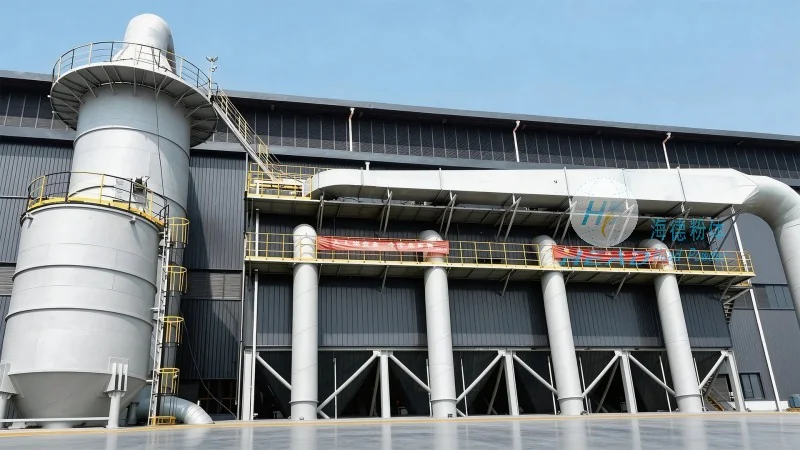
Advantages and Applications
Sodium nitrate material handling systems offer several advantages that make them suitable for various industrial applications. One key advantage is their ability to handle large volumes of material efficiently, reducing labor costs and increasing production throughput. The systems are designed for continuous operation, minimizing downtime and maximizing productivity. Another advantage is the enhanced safety features incorporated into the design, which help mitigate the risks associated with handling hazardous materials like sodium nitrate. The use of enclosed conveyors, containment systems, and explosion-proof components reduces the likelihood of accidents and ensures compliance with regulatory standards.
The applications of sodium nitrate material handling systems are diverse and extend across multiple industries. In the agricultural sector, these systems are used to transport sodium nitrate from storage to farms, ensuring a steady supply of nutrients for crop production. In the chemical industry, they facilitate the production of other chemical products by providing a reliable source of sodium nitrate as an oxidizer or raw material. The mining and quarrying industry also benefits from these systems, as they enable the efficient extraction and processing of sodium nitrate from natural deposits. Overall, the systems contribute to improved operational efficiency, reduced costs, and enhanced safety in the handling of sodium nitrate.
Conclusion
HeadPowder's expertise in sodium nitrate material handling systems reflects a deep understanding of the principles and operational characteristics of this critical material. By adhering to rigorous engineering standards and incorporating advanced technologies, HeadPowder provides reliable and efficient solutions tailored to the specific needs of its clients. The company's commitment to safety, efficiency, and scalability ensures that its systems meet the demands of modern industrial operations, supporting the continued growth and success of industries that rely on sodium nitrate as a key component.