

Principles and Operational Characteristics of Sugar Material Conveying Systems
HeadPowder, a leading engineering company based in Shandong, China, specializes in the design, manufacturing, and implementation of advanced material handling solutions tailored for the sugar industry. This article explores the fundamental principles underlying sugar material conveying systems and highlights the key operational characteristics that define their performance and application in real-world sugar processing environments.
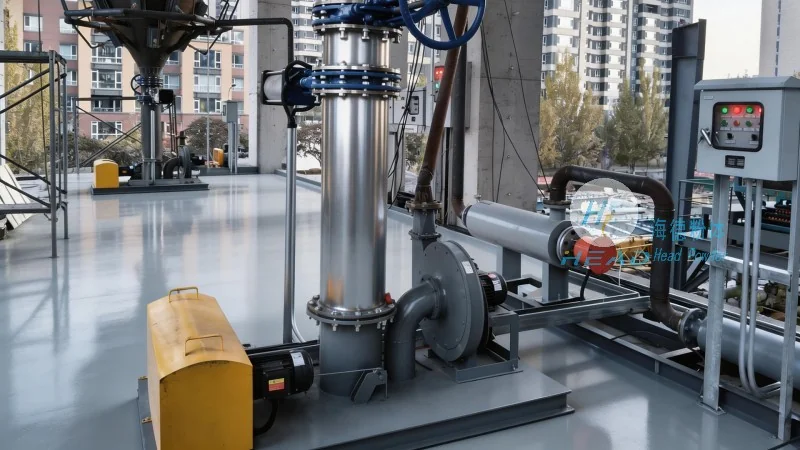
Company Overview and Expertise
Shandong HeadPowder Engineering Co., Ltd. has established itself as a trusted partner in the sugar industry, delivering customized material handling solutions that enhance efficiency, safety, and reliability in sugar processing facilities. With a deep understanding of the unique challenges faced by sugar manufacturers, HeadPowder leverages cutting-edge technology and industry expertise to develop systems that meet the specific demands of sugar handling operations.
The Core Principles of Sugar Material Conveying Systems
Sugar material conveying systems are engineered to transport bulk sugar from storage silos, processing units, or packaging areas with precision and efficiency. The primary principles governing these systems include the use of specialized equipment such as belt conveyors, screw conveyors, and pneumatic conveyors, each designed to handle the physical properties of sugar—such as its granular structure, moisture content, and flow characteristics. The selection of the appropriate conveying method is critical, as it directly impacts the system's ability to maintain product integrity, minimize material degradation, and ensure consistent throughput.
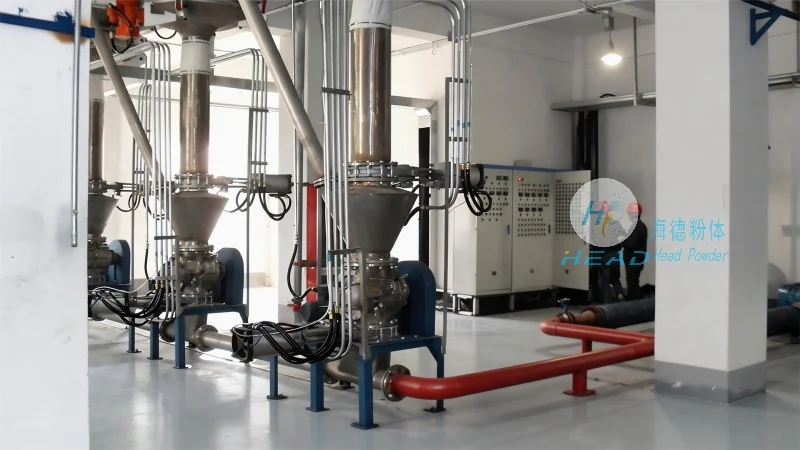
Key Operational Characteristics and Performance Metrics
Operational characteristics of sugar material conveying systems are defined by several critical factors, including capacity, speed, and material handling efficiency. These systems are typically designed to handle high volumes of sugar while maintaining low energy consumption and minimal product loss. The design of the conveying path, including incline angles, curve radii, and transition sections, plays a vital role in preventing product segregation, bridging, or caking, which can compromise system performance and product quality. Additionally, the integration of sensors and control systems enables real-time monitoring of conveying parameters, allowing for automated adjustments to maintain optimal operational conditions.
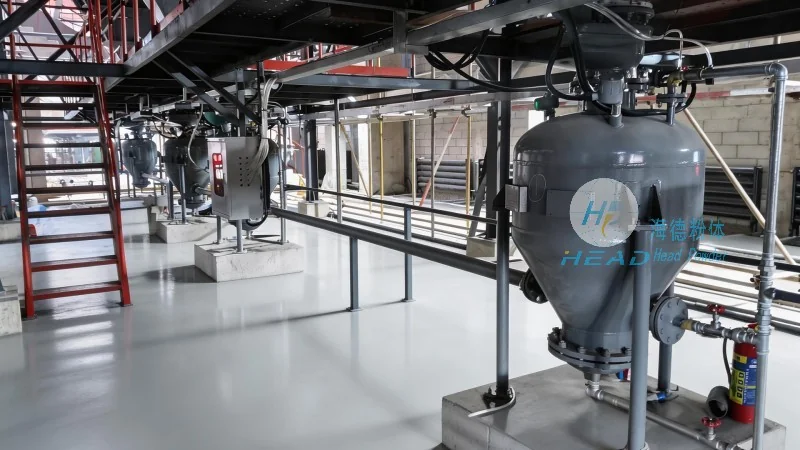
Work Scene Characteristics and Application Scenarios
The operational characteristics of sugar material conveying systems are closely tied to the specific work environments in which they are deployed. For instance, in large-scale sugar refineries, these systems are often integrated into complex processing lines that involve multiple stages of sugar handling, from raw sugar reception to final product packaging. The work scene characteristics in such environments include high ambient temperatures, high humidity, and the need for dust control measures, all of which are addressed through the use of specialized materials, sealing systems, and environmental controls. In contrast, smaller-scale sugar processing facilities may utilize more compact conveying systems that are tailored to handle lower volumes of sugar while maintaining the same level of operational efficiency.
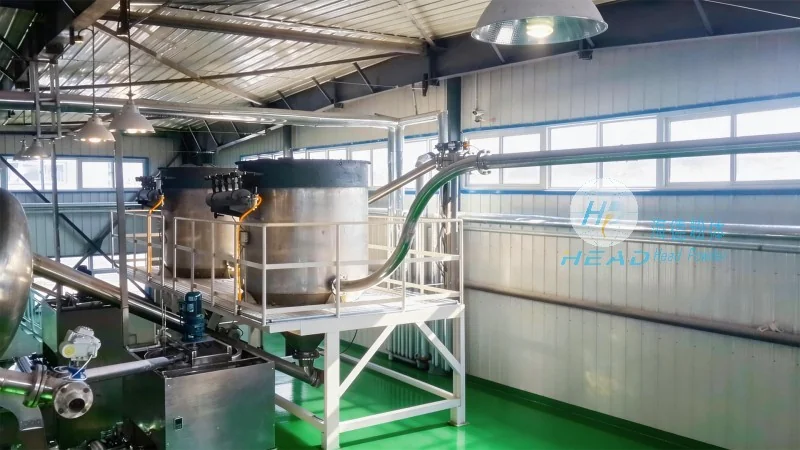
Case Studies and Real-World Applications
HeadPowder has successfully implemented sugar material conveying systems in various industrial settings, demonstrating their adaptability and effectiveness. One notable case involved a major sugar refinery in Shandong, where the company designed and installed a combination of belt and screw conveyors to transport raw sugar from storage silos to processing units. The system was engineered to handle a capacity of 500 tons per hour, with a conveying speed of 2 meters per second, and was equipped with advanced control systems that monitored temperature, moisture, and flow rates in real time. The result was a significant reduction in material handling time, improved product quality, and enhanced overall operational efficiency. Another application involved a sugar packaging plant, where HeadPowder provided a pneumatic conveying system to transport granulated sugar from the processing line to the packaging machines. This system was designed to minimize product exposure to air and moisture, ensuring that the final packaged product met strict quality standards.
Conclusion and Future Trends
Sugar material conveying systems are essential components of modern sugar processing operations, and their design and implementation require a deep understanding of both the material properties of sugar and the operational requirements of the industry. As the sugar industry continues to evolve, there is a growing demand for more efficient, reliable, and sustainable material handling solutions. HeadPowder remains at the forefront of this evolution, continuously innovating its systems to meet the changing needs of sugar manufacturers while maintaining its commitment to quality, safety, and customer satisfaction.