

The Principle and Working Scene Characteristics of Iron Sand Material Conveying Lines
Iron sand material conveying lines are critical components in industrial processing, designed to efficiently transport iron sand—a composite material containing iron particles and other impurities—through various stages of production. Understanding the underlying principles and operational characteristics of these systems is essential for optimizing material handling processes in industrial settings.
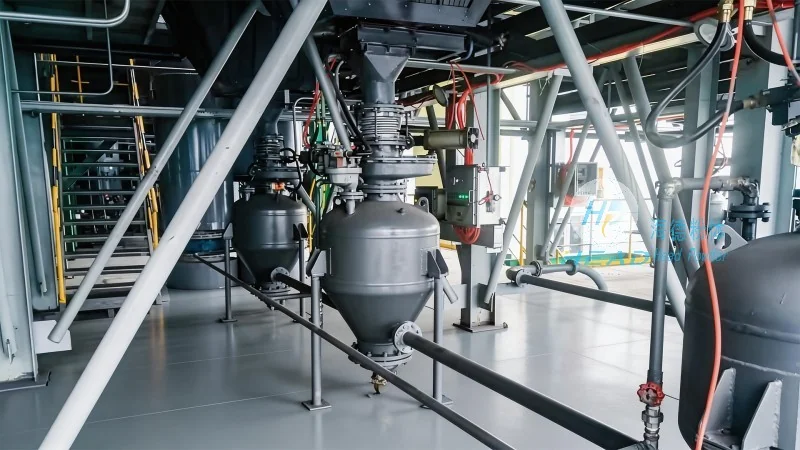
Core Principle of Iron Sand Material Conveying Lines
The fundamental principle of iron sand material conveying lines revolves around the use of mechanical systems to move bulk materials over long distances or vertical heights. These systems typically employ conveyor belts, screw conveyors, or pneumatic transport methods to ensure the smooth and continuous movement of iron sand. The design of the conveying line is tailored to the specific properties of iron sand, such as its density, particle size, and moisture content, to prevent material degradation or blockages during transport.
Key Components and Their Functions
Iron sand material conveying lines consist of several key components that work in tandem to achieve efficient material transport. The primary components include feed hoppers, conveyor belts or screws, drive mechanisms, and discharge chutes. Feed hoppers are used to introduce iron sand into the system, ensuring a consistent flow rate. Conveyor belts or screw conveyors provide the mechanical force to move the material along the desired path. Drive mechanisms, such as electric motors or hydraulic systems, power the movement of the conveyor. Discharge chutes direct the iron sand to its final destination, such as a storage silo or processing unit.
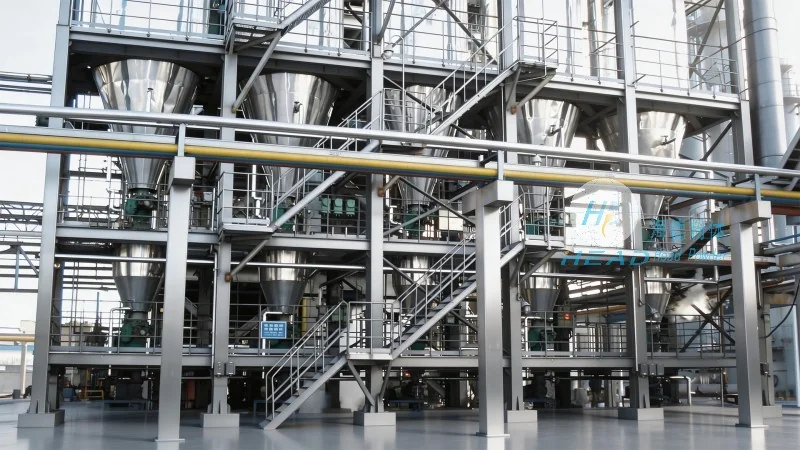
Working Scene Characteristics
The working scene characteristics of iron sand material conveying lines vary based on the specific industrial application. For example, in mining operations, these systems are used to transport iron sand from extraction sites to processing plants. The conveying lines in this scenario must be robust and capable of handling large volumes of material over extended distances. In manufacturing plants, the conveying lines may be integrated into production lines to transport iron sand to different processing stages, such as grinding or magnetic separation. The working environment in these settings often involves high temperatures, dust, and noise, requiring the conveying systems to be durable and low-maintenance.
Advantages of Iron Sand Material Conveying Lines
Implementing iron sand material conveying lines offers several advantages in industrial operations. Firstly, these systems provide a continuous and automated method of material transport, reducing the need for manual labor and minimizing the risk of material loss or contamination. Secondly, the mechanical design of the conveying lines ensures consistent material flow rates, which improves the efficiency of downstream processing operations. Thirdly, the systems are adaptable to different production scales, allowing manufacturers to scale up or down their material handling capabilities as needed. Finally, the use of conveyor systems reduces the overall footprint of material handling operations, freeing up space in industrial facilities.
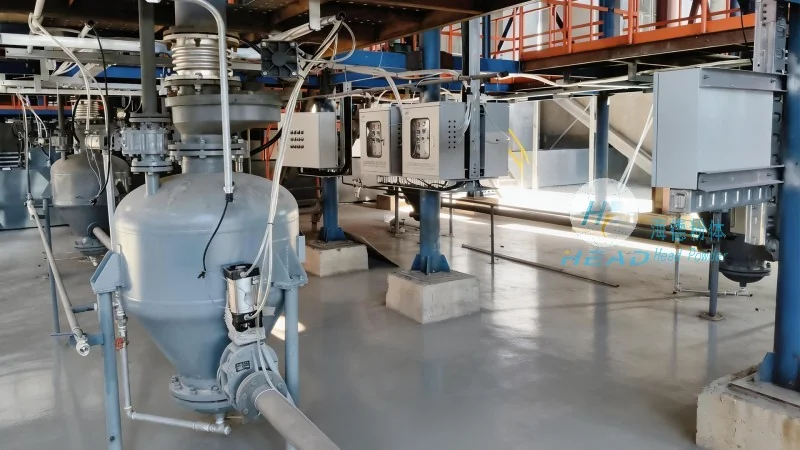
Application Examples
Iron sand material conveying lines are widely used in various industrial sectors. In the mining industry, they are essential for transporting iron sand from open-pit mines to processing facilities. The conveying lines in this context are often long and complex, incorporating multiple segments to cover the distance between the mine and the plant. In the steel manufacturing industry, iron sand is used as a raw material for producing steel, and the conveying lines are integrated into the production process to deliver the material to the blast furnace or other processing units. In the recycling industry, iron sand material conveying lines are used to transport recycled iron materials from sorting facilities to processing plants.
Conclusion
Iron sand material conveying lines are sophisticated systems that play a vital role in the efficient handling of iron sand in industrial applications. By understanding the core principles and working scene characteristics of these systems, manufacturers can optimize their material transport processes, improve operational efficiency, and reduce costs. The robust design and adaptability of iron sand material conveying lines make them a reliable choice for various industrial settings, ensuring consistent and safe material handling.