

Principle and Working Scene Characteristics of Flake Graphite Material Conveying Lines
Flake graphite, a high-quality graphite material with excellent electrical conductivity, thermal stability, and lubricity, is widely used in various industrial fields such as battery manufacturing, refractory materials, and lubricants. The efficient and reliable transportation of flake graphite is crucial for the smooth operation of production lines. This article introduces the principle and working scene characteristics of flake graphite material conveying lines, focusing on the technical aspects and practical applications.
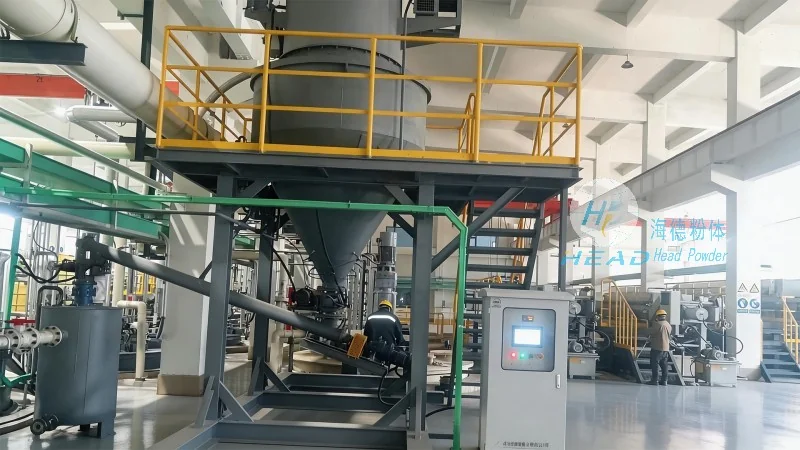
Overview of Flake Graphite Material Conveying Systems
Flake graphite material conveying lines are specialized systems designed to transport flake graphite from storage areas to processing or production facilities. These systems typically consist of components like feeders, conveyors, and control systems, working together to ensure the safe and efficient movement of the material. The design of these systems takes into account the unique properties of flake graphite, including its light weight, high purity, and tendency to form aggregates, which require specific handling methods to prevent material loss or degradation.
Principle of Operation for Flake Graphite Conveying Lines
The core principle of flake graphite material conveying lines is to use mechanical or pneumatic methods to move the material through a series of connected components. Mechanical conveying systems often employ screw conveyors, belt conveyors, or bucket elevators, which are suitable for handling bulk materials like flake graphite. Pneumatic conveying systems, on the other hand, use air pressure to transport the material through pipelines, which is ideal for dusty or fine materials. The choice of conveying method depends on factors such as the material's characteristics, the required conveying distance, and the production environment.
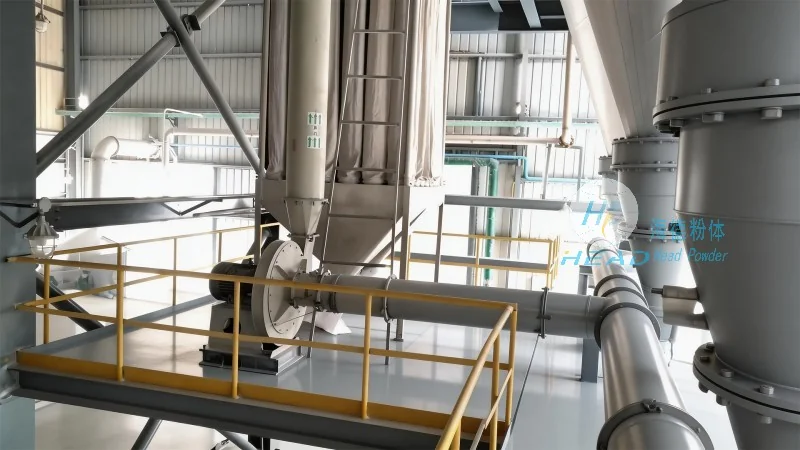
Key Components and Their Functions
Several key components are integral to the operation of flake graphite material conveying lines. The feeder is responsible for uniformly feeding the material into the conveyor system, ensuring a consistent flow rate. The conveyor itself, whether a belt or screw type, transports the material along the designated path. The control system monitors and regulates the conveying process, adjusting speed and flow as needed to maintain optimal performance. Additionally, dust collection and filtration systems are often included to manage airborne particles and ensure a clean working environment.
Working Scene Characteristics and Applications
The working scene characteristics of flake graphite material conveying lines vary based on the specific industry and application. In battery manufacturing, for example, the conveying system must handle high-purity flake graphite with minimal contamination, often requiring enclosed and dust-tight designs. In refractory production, the system may need to transport larger quantities of graphite with higher bulk density, utilizing heavy-duty conveyors and robust feeding mechanisms. The working environment, including temperature, humidity, and air quality, also influences the design and selection of components, as flake graphite can be sensitive to environmental factors that affect its properties.
Advantages and Benefits of Efficient Conveying Systems
Implementing an efficient flake graphite material conveying line offers several advantages for industrial operations. Firstly, it improves production efficiency by reducing material handling time and minimizing downtime. Secondly, it enhances safety by controlling dust and preventing material spills, which can be hazardous in some environments. Thirdly, it ensures consistent material quality by maintaining uniform flow and preventing segregation or agglomeration. Finally, it reduces operational costs through energy-efficient designs and reduced maintenance requirements, making it a cost-effective solution for long-term production needs.
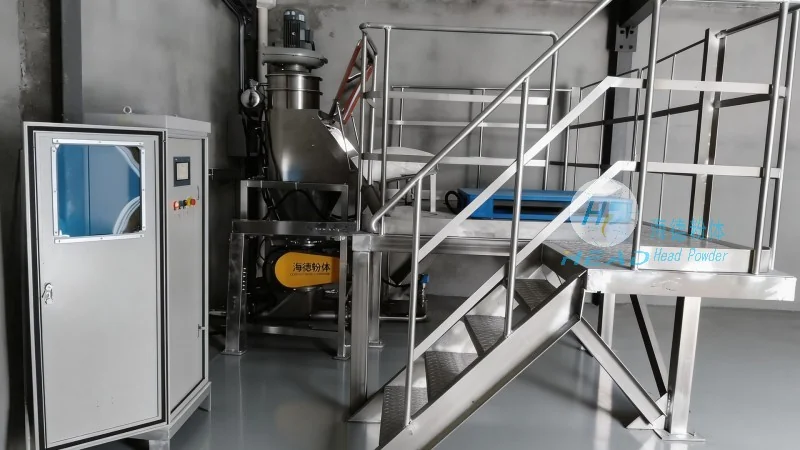
Case Study: Application in Battery Production
One notable application of flake graphite material conveying lines is in the battery manufacturing industry. Shandong HeadPowder Engineering Co., Ltd., a leading provider of material handling solutions, has developed specialized systems for transporting high-purity flake graphite used in lithium-ion batteries. These systems feature enclosed conveyor designs with advanced filtration to maintain material purity, ensuring that the graphite meets stringent industry standards. The company's expertise in material handling has enabled manufacturers to achieve higher production yields and lower defect rates, contributing to the growth of the battery industry.
Conclusion and Future Trends
Flake graphite material conveying lines play a vital role in the efficient processing and utilization of this valuable material. By understanding the principles and characteristics of these systems, industries can optimize their production processes and improve overall performance. As technology advances, future developments may include more automated and intelligent conveying systems, further enhancing efficiency and reliability. The continued demand for high-quality flake graphite in various applications ensures that the development of advanced material conveying solutions will remain a key focus for manufacturers and engineers alike.