

Principle and Working Scene Characteristics of Metering Bin Pump Material Handling System Equipment
HeadPowder, a leading engineering company based in Shandong, China, specializes in the design, manufacturing, and integration of advanced material handling systems. This article delves into the core principles of metering bin pumps and highlights their distinctive working scene characteristics, providing a comprehensive overview for potential users and industry professionals.
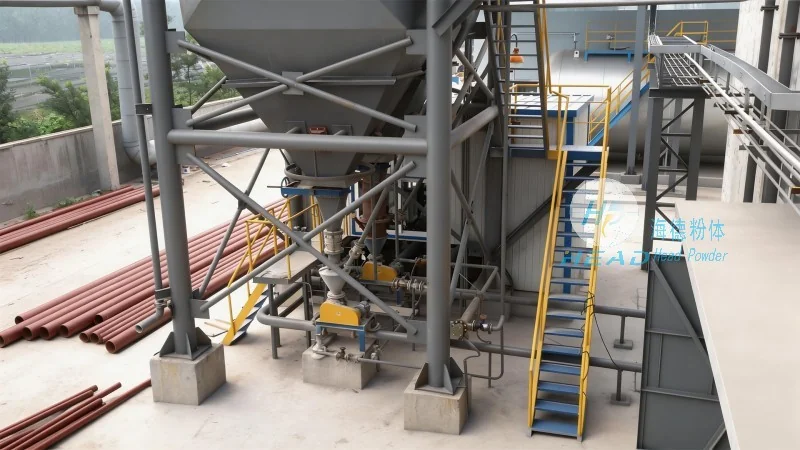
Understanding the Core Principle of Metering Bin Pumps
Metering bin pumps are sophisticated industrial equipment engineered to transport bulk materials with precision and efficiency. The fundamental principle revolves around the use of a hopper or bin that feeds material into a pump chamber. As the material accumulates, a valve mechanism, often controlled by a pressure or level sensor, triggers the pump to discharge the material in controlled, measured quantities. This process ensures consistent flow rates, which is critical for applications requiring accurate material dosing, such as in chemical processing, food production, or pharmaceutical manufacturing.
Key Working Scene Characteristics of Metering Bin Pumps
The operational characteristics of metering bin pumps are tailored to meet diverse industrial needs, making them versatile solutions for various material handling scenarios. One of the most notable features is their ability to handle a wide range of bulk materials, including powders, granules, and even semi-solid substances. This adaptability stems from the pump's design, which incorporates robust sealing mechanisms and adjustable flow control valves to accommodate different material properties without compromising performance.
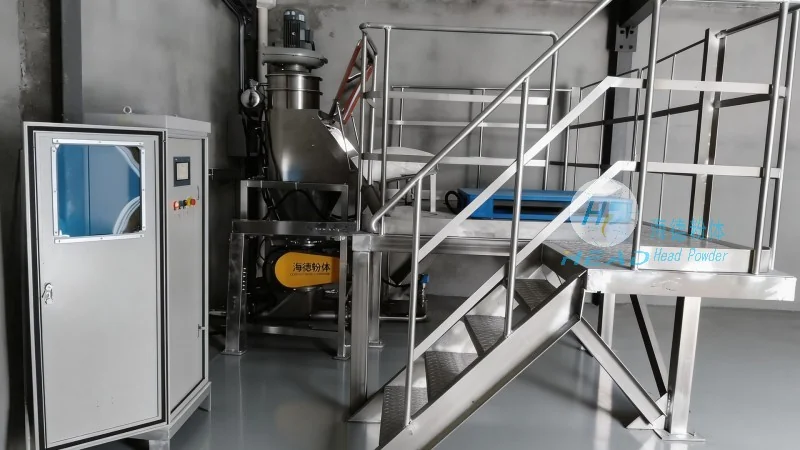
Another critical characteristic is the system's precision in material measurement. Unlike traditional conveyor systems that may suffer from material buildup or uneven flow, metering bin pumps utilize a closed-loop control system. This system continuously monitors the material level and adjusts the pump's operation to maintain a consistent discharge rate. The result is a high degree of accuracy in material dosing, which is essential for processes where exact material quantities are non-negotiable, such as in batching operations or quality control applications.
Applications in Diverse Industrial Environments
The working scene characteristics of metering bin pumps make them suitable for a broad spectrum of industrial environments. In chemical plants, for instance, these systems are employed to transport reactive powders or granules, where precision and safety are paramount. The closed system design minimizes dust exposure and prevents cross-contamination, aligning with stringent environmental and safety regulations. Similarly, in food processing facilities, the hygienic design of metering bin pumps ensures compliance with food safety standards, allowing for the handling of sensitive ingredients like flour or sugar with minimal risk of contamination.
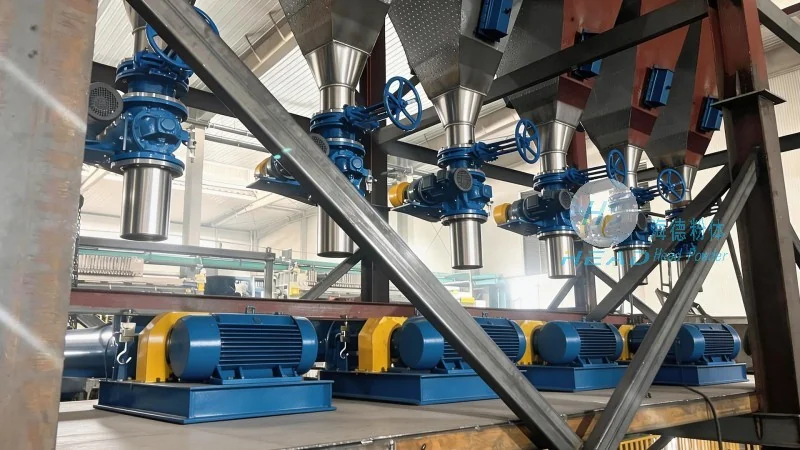
In the pharmaceutical industry, the need for sterile and contamination-free material handling is critical. Metering bin pumps, with their sealed construction and easy-to-clean components, meet these stringent requirements. They are commonly used to transport active pharmaceutical ingredients (APIs) or excipients, ensuring that the final product remains pure and free from impurities. The ability to control the flow rate precisely also aids in maintaining consistent batch quality, which is vital for regulatory compliance and product consistency.
Advantages in Material Handling Efficiency
When integrated into material handling workflows, metering bin pumps offer several advantages that enhance overall operational efficiency. One of the key benefits is the reduction in material waste. By delivering materials in exact quantities, these systems eliminate over-discharge or under-discharge, which can occur with traditional methods like manual scooping or open conveyors. This not only saves material costs but also reduces the need for additional processing steps to correct imbalances.
Furthermore, the automated nature of metering bin pumps minimizes human intervention, leading to increased operational reliability and reduced labor costs. The system's self-regulating mechanism ensures that it operates continuously without the need for constant monitoring, provided that the material supply is maintained. This reliability is particularly valuable in 24/7 production environments where downtime can result in significant financial losses.
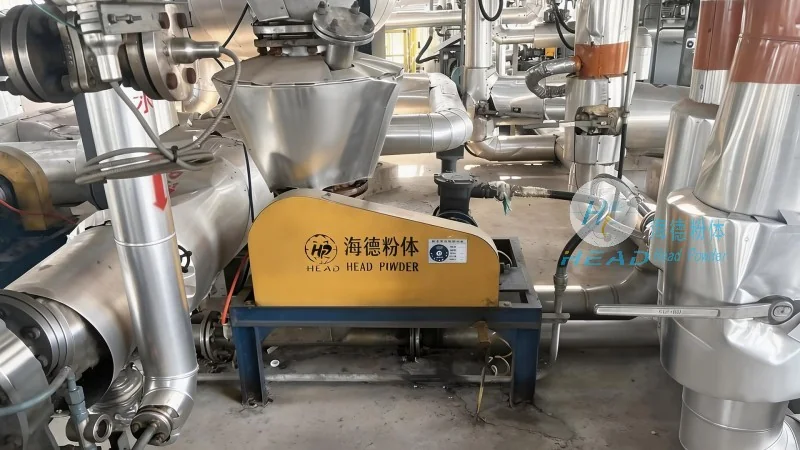
Another advantage is the flexibility in system integration. Metering bin pumps can be easily connected to existing material handling infrastructure, such as silos, hoppers, or processing lines, without extensive modifications. This adaptability allows companies to upgrade their material handling capabilities without a complete overhaul of their production setup, making it a cost-effective solution for improving efficiency.
Conclusion: The Role of Metering Bin Pumps in Modern Material Handling
From their fundamental principle of precise material dosing to their versatile working scene characteristics, metering bin pumps represent a cornerstone of modern industrial material handling. As a product of Shandong HeadPowder Engineering Co., Ltd., these systems are engineered to deliver reliability, efficiency, and accuracy in diverse applications. By understanding the core principles and operational characteristics, industries can leverage metering bin pumps to optimize their material handling processes, reduce costs, and enhance overall productivity. The continued evolution of this technology ensures that it remains a vital component in the pursuit of efficient and sustainable industrial operations.