

Principles and Working Scene Characteristics of Cassava Starch Powder Pneumatic Conveying
HeadPowder, a leading provider in the field, specializes in the design and implementation of pneumatic conveying systems for cassava starch powder. This article delves into the fundamental principles of this technology and highlights key working scene characteristics that define its application in industrial settings.
The Core Principles of Pneumatic Conveying for Cassava Starch Powder
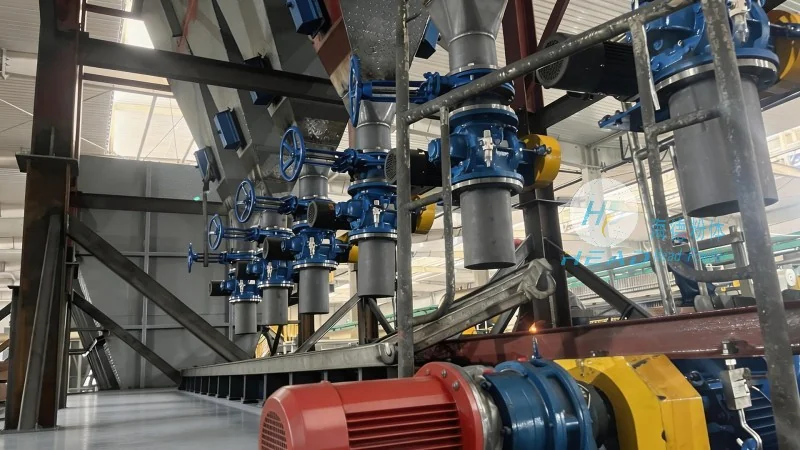
Pneumatic conveying is a method of transporting bulk materials, such as cassava starch powder, using a stream of pressurized air or vacuum. The process involves several key components and mechanisms that ensure efficient and reliable material transport. At its essence, the system operates by creating a pressure differential that propels the powder through a pipeline. This is achieved through either positive pressure (where air is forced into the system) or negative pressure (where air is drawn out), depending on the specific application requirements. The choice between these methods is critical and influences factors like system complexity, energy consumption, and material handling capabilities.
The primary components of a cassava starch powder pneumatic conveying system include the material feed hopper, the conveying line (often made of stainless steel or other corrosion-resistant materials to handle the acidic nature of starch), the air supply unit (such as a blower or compressor), and the discharge equipment. The feed hopper ensures a consistent flow of powder into the system, while the conveying line transports the material to the desired destination. The air supply unit generates the necessary pressure or vacuum to move the powder, and the discharge equipment regulates the release of the material at the end of the line.
One of the most important principles is the concept of "fluidization." In pneumatic conveying, the powder is suspended in the air stream, effectively turning it into a fluid. This fluidization allows for smooth and continuous transport, minimizing the risk of blockages or material degradation. The velocity of the air in the pipeline is a critical parameter; it must be sufficient to keep the powder suspended but not so high as to cause excessive wear on the system components or energy waste. Proper design of the conveying line, including appropriate pipe diameter and bends, is essential to maintain optimal air velocity and prevent pressure drops that could lead to material deposition.
Another key principle is the handling of moisture and temperature. Cassava starch powder can be sensitive to moisture, which may affect its processing properties. Pneumatic conveying systems are often equipped with drying or conditioning units to maintain the powder's quality. Temperature control is also important, as excessive heat can cause the starch to gel or degrade. The system design must account for these factors to ensure the powder remains in its optimal state throughout the conveying process.
Working Scene Characteristics of Cassava Starch Powder Pneumatic Conveying
The working scene characteristics of cassava starch powder pneumatic conveying systems are tailored to meet the specific demands of industrial applications. These characteristics include system efficiency, scalability, and adaptability to different production environments.
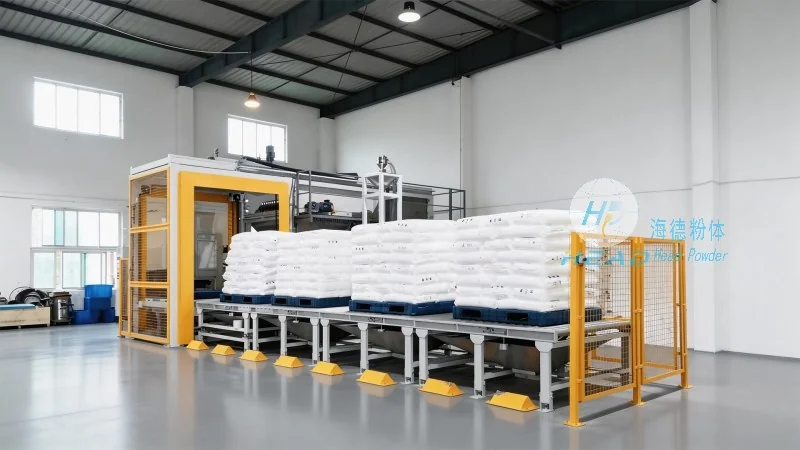
Efficiency is a primary characteristic, as industrial operations require systems that minimize downtime and maximize throughput. Pneumatic conveying systems are known for their high efficiency in moving large volumes of powder quickly and with minimal labor. The ability to handle continuous or batch operations makes them suitable for various production scales, from small-scale processing facilities to large industrial plants. The system's ability to integrate with existing production lines is another key characteristic, allowing for seamless material transfer without disrupting the overall workflow.
Scalability is another important aspect. As production needs grow, the pneumatic conveying system can be expanded or modified to accommodate increased material volumes. This flexibility is crucial for businesses that anticipate growth or need to adapt to changing market demands. The modular design of many systems allows for easy upgrades, such as adding additional conveying lines or increasing the capacity of the air supply unit, without the need for a complete system overhaul.
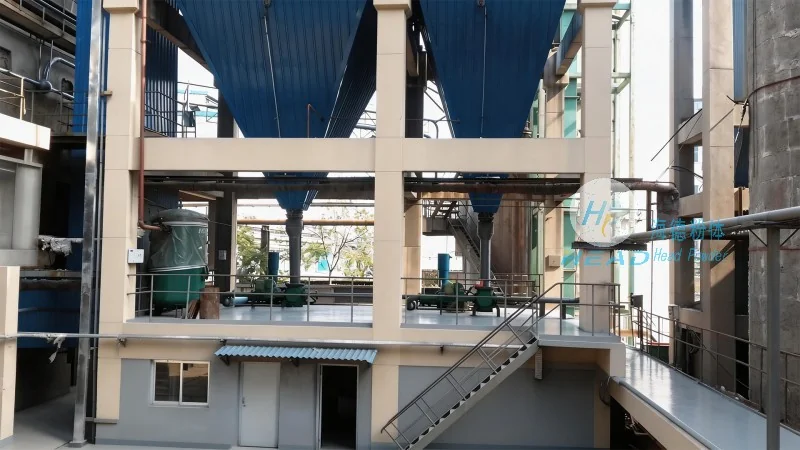
Adaptability to different working environments is also a significant characteristic. Pneumatic conveying systems can be designed for both indoor and outdoor applications, depending on the specific requirements of the facility. Indoor systems are common in manufacturing plants where space is limited and environmental control is essential. Outdoor systems, on the other hand, are used in open-air processing facilities or where the material handling process is integrated with the natural environment. The system's ability to operate in various conditions, including different temperatures and humidity levels, makes it a versatile solution for diverse industrial settings.
Additionally, the working scene characteristics include the ability to handle different powder properties. Cassava starch powder can vary in particle size, moisture content, and bulk density, which can affect the conveying process. Advanced pneumatic conveying systems are equipped with sensors and control systems that monitor these parameters in real-time, adjusting the air flow and pressure to maintain optimal performance. This adaptability ensures that the system can handle a wide range of powder types and maintain consistent material quality throughout the transport process.
Applications and Benefits in Industrial Settings
The working scene characteristics of cassava starch powder pneumatic conveying systems translate into significant benefits for industrial applications. These benefits include improved process control, reduced material loss, and enhanced operational safety.
Improved process control is a major advantage, as the system allows for precise control over the flow rate and pressure of the material. This level of control is essential for maintaining consistent product quality and meeting strict industry standards. The ability to monitor and adjust the system parameters in real-time ensures that the conveying process is optimized for efficiency and reliability.
Reduced material loss is another key benefit. Traditional methods of transporting cassava starch powder, such as bucket elevators or belt conveyors, often result in material spillage and loss. Pneumatic conveying systems minimize these losses by using enclosed pipelines and controlled discharge mechanisms. This not only reduces waste but also improves workplace safety by preventing dust and powder from escaping into the environment.
Enhanced operational safety is also a significant characteristic. Pneumatic conveying systems are designed to handle the dust and particulate matter associated with starch powder, reducing the risk of respiratory issues for workers. The enclosed system also minimizes the risk of fire or explosion, as the material is not exposed to open air or ignition sources. Additionally, the system's ability to operate with minimal human intervention reduces the risk of accidents and improves overall workplace safety.
Furthermore, the working scene characteristics of these systems contribute to cost savings. By reducing material loss and minimizing downtime, the system can lower operational costs over time. The efficiency of the system also reduces energy consumption, leading to lower utility bills. The scalability and adaptability of the system allow businesses to invest in a solution that grows with their operations, avoiding the need for costly system replacements or overhauls.