

Principle and Working Scene Characteristics of Soybean Grain Powder Pneumatic Conveying System
HeadPowder, a leading engineering firm based in Shandong, China, specializes in the design and implementation of advanced pneumatic conveying systems tailored for the soybean and grain processing industries. This article delves into the fundamental principles of such systems and highlights the key characteristics of their operational environments, providing a comprehensive overview for professionals in the agricultural and food processing sectors.
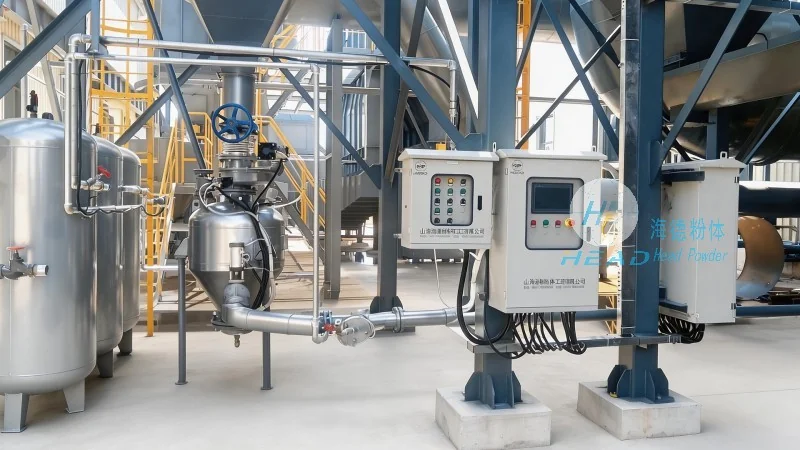
Understanding the Core Principle of Pneumatic Conveying Systems
Pneumatic conveying systems utilize air as the primary medium to transport bulk materials like soybean grain powder. The technology operates on the principle of creating a pressure differential between the conveying line and the ambient environment. By generating a flow of air through the system, these systems can effectively move powders, granules, and other particulate materials over long distances with minimal friction and minimal product degradation. The system typically consists of a blower, a hopper for material storage, a conveying line, and a discharge point. The blower creates the necessary air pressure, while the hopper feeds the material into the line. As air flows through the line, it entrains the particles, carrying them to the destination. This method offers several advantages over traditional mechanical conveying, including reduced maintenance, lower energy consumption, and the ability to handle materials that are sensitive to mechanical stress or contamination.
Key Working Scene Characteristics of Pneumatic Conveying Systems
The operational environments for pneumatic conveying systems in soybean and grain processing vary significantly based on the specific application and facility layout. These systems are commonly found in large-scale agricultural processing plants, where they are integrated into the overall material handling infrastructure. For instance, in soybean processing facilities, pneumatic conveyors are used to transport raw soybeans from storage silos to grinding or crushing units, and subsequently to solvent extraction or drying stages. The working scene characteristics include high-volume material throughput, often requiring continuous operation to meet production demands. The systems are also designed to handle varying particle sizes and moisture content, which can affect the conveying efficiency and system performance. Another key characteristic is the need for precise control over air pressure and flow rates to ensure consistent material transport and prevent blockages or system failures. This requires sophisticated control systems that monitor and adjust the operation in real-time, adapting to changes in material properties or system load.
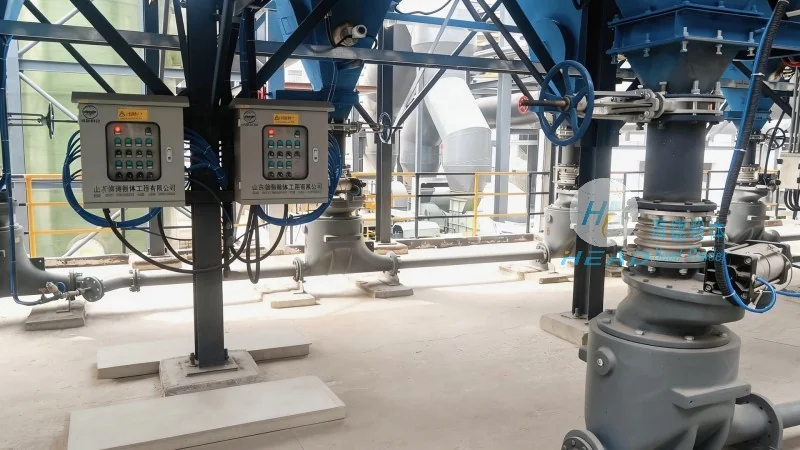
Application-Specific Operational Scenarios
In the context of soybean grain processing, pneumatic conveying systems are employed in diverse operational scenarios. One common scenario involves the transfer of ground soybean meal from a grinding mill to a storage silo or a packaging line. The system must handle fine, powdery material that can be prone to caking or agglomeration, which necessitates the use of specialized conveying lines and air distribution methods to maintain flow. Another scenario is the conveyance of whole soybeans from a reception area to a cleaning and drying facility. Here, the system must accommodate larger, irregularly shaped particles while maintaining efficient transport. The working environment in these scenarios often involves high humidity and temperature fluctuations, which can impact the material's handling characteristics and the system's performance. Additionally, the systems are integrated with other processing equipment, such as separators and classifiers, to ensure that only the desired material is conveyed, reducing waste and improving product quality.
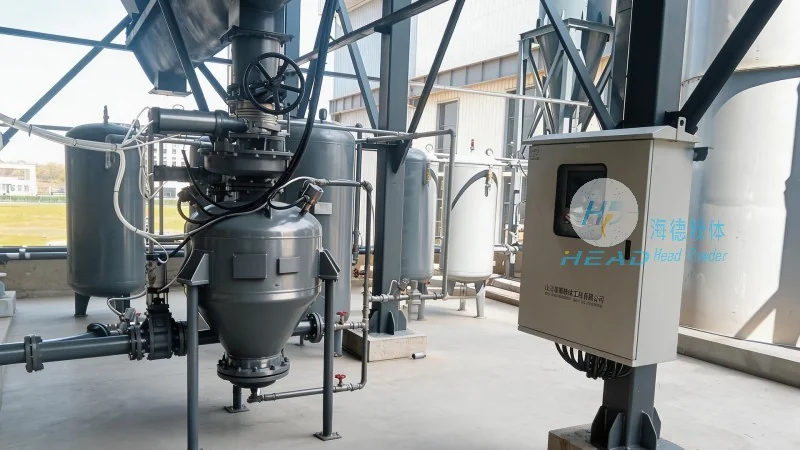
Advantages and Considerations in Real-World Applications
When implementing pneumatic conveying systems in soybean and grain processing, several advantages and considerations must be taken into account. The primary advantage is the ability to transport materials over long distances without the need for multiple transfer points or mechanical components, which reduces the risk of product contamination and damage. Additionally, the systems are relatively compact and can be installed in confined spaces, making them suitable for modern processing facilities with limited floor space. However, there are also considerations related to system maintenance and operational costs. Pneumatic systems require regular cleaning of the conveying lines to prevent material buildup and blockages, which can increase maintenance frequency. The energy consumption of the blower and control systems also contributes to operational costs, although this is often offset by the reduced need for mechanical handling equipment. Furthermore, the system's performance is highly dependent on the material's properties, such as particle size, moisture content, and bulk density, which must be carefully managed to ensure optimal operation.
Conclusion: Tailoring Pneumatic Conveying Solutions for Soybean Grain Processing
HeadPowder's expertise in designing and deploying pneumatic conveying systems ensures that clients in the soybean and grain processing industry receive tailored solutions that meet their specific operational needs. By understanding the core principles of pneumatic transport and the unique characteristics of working environments, the company provides systems that enhance efficiency, reduce costs, and improve product quality. Whether used for transporting raw soybeans or processed soybean meal, these systems play a critical role in modern agricultural processing facilities, supporting the production of high-quality food products and feed ingredients. The continued development and application of advanced pneumatic conveying technologies will further optimize material handling processes in the industry, contributing to increased productivity and sustainability.