

Principle and Application Scenarios of Quantitative Powder Material Pneumatic Conveying Equipment
Quantitative powder material pneumatic conveying equipment, as a key component in modern industrial material handling systems, plays a crucial role in the efficient and precise transport of bulk powder materials. This equipment is designed to handle various types of powders, such as cement, flour, chemical powders, and other fine particulate materials, ensuring stable and controlled material flow in industrial processes. The technology behind this equipment integrates pneumatic conveying principles with precise dosing mechanisms, enabling it to meet the demands of high-precision material handling in different industrial applications.
Principle of Operation
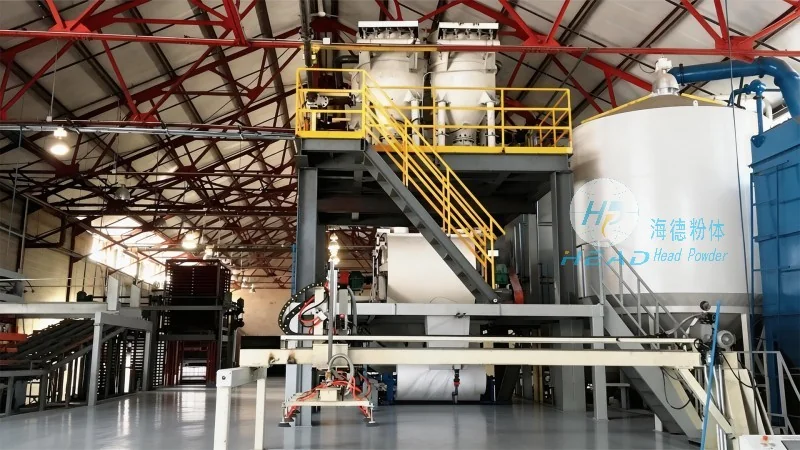
The core principle of quantitative powder material pneumatic conveying equipment is based on the pneumatic conveying of powders through a pressurized or vacuum air stream. The system typically consists of a feeding hopper, a dosing valve, a conveying pipeline, and a receiving hopper. The feeding hopper stores the bulk powder, and the dosing valve precisely controls the amount of powder discharged into the conveying pipeline. The conveying pipeline transports the powder-air mixture to the receiving hopper under the action of the air flow. The pressure difference between the conveying pipeline and the ambient environment creates the necessary driving force for material transport. The equipment can operate in both positive pressure (pressure conveying) and negative pressure (vacuum conveying) modes, adapting to different process requirements and material characteristics. The dosing mechanism, often using a rotary valve or a volumetric feeder, ensures the accurate control of the powder feed rate, which is critical for maintaining consistent material flow and preventing overloading or underloading in the conveying system.
Key Components and Their Functions
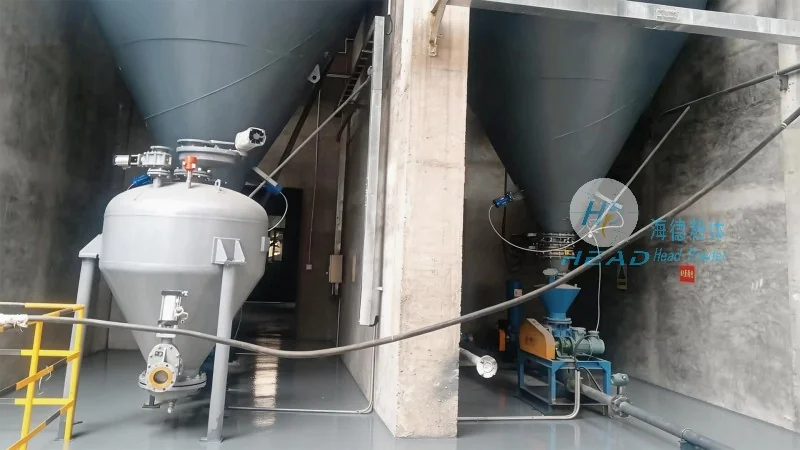
Several key components work together to ensure the efficient operation of quantitative powder material pneumatic conveying equipment. The feeding hopper is responsible for storing the bulk powder and providing a stable material supply. It is designed with a sloped bottom to facilitate smooth material flow and prevent material bridging or caking. The dosing valve, which is the heart of the quantitative control system, regulates the amount of powder entering the conveying pipeline. This component can be a rotary valve, a screw feeder, or a gravimetric feeder, depending on the required precision and material characteristics. The conveying pipeline is made of materials resistant to corrosion and wear, such as stainless steel or plastic, to ensure durability and prevent material contamination. The pipeline system includes bends, elbows, and straight sections, with appropriate fittings to maintain the air flow and prevent pressure loss. The receiving hopper collects the conveyed powder and can be equipped with a discharge valve to control the final material output. Additionally, the system may include air filters and cyclones to separate the powder from the air stream, ensuring clean air discharge and preventing dust pollution. The control system, often integrated with sensors and a programmable logic controller (PLC), monitors and adjusts the conveying parameters in real-time, ensuring optimal performance and safety.
Application Scenarios and Industry Usage
Quantitative powder material pneumatic conveying equipment is widely used in various industrial sectors due to its versatility and efficiency. In the cement industry, it is used for the transport of raw materials and finished products, ensuring precise dosing for cement production lines. In the food and beverage industry, it handles ingredients like flour, sugar, and spices, maintaining hygiene and preventing cross-contamination. The chemical industry utilizes this equipment for the transport of chemical powders, such as pigments, polymers, and pharmaceuticals, requiring strict control over material purity and dosage. In the pharmaceutical sector, the equipment is used for the handling of active pharmaceutical ingredients (APIs) and excipients, where precise dosing is critical for product quality and safety. The mining and mineral processing industry also benefits from this technology for the transport of ore powders and tailings. Each application scenario requires specific equipment configurations, such as different pipeline diameters, pressure levels, and dosing mechanisms, tailored to the material properties and process requirements.
Advantages and Benefits
Compared to traditional mechanical conveying methods, quantitative powder material pneumatic conveying equipment offers several advantages. Firstly, it provides a dust-free and clean conveying environment, reducing the risk of material contamination and improving workplace safety. The enclosed system prevents dust emissions, which is crucial for meeting environmental regulations and maintaining a healthy working environment. Secondly, the equipment offers high conveying efficiency and flexibility, allowing for long-distance and high-capacity material transport. The pneumatic conveying system can handle materials with varying particle sizes and moisture contents, adapting to different industrial needs. Thirdly, the precise dosing mechanism ensures accurate material control, which is essential for processes that require consistent material flow, such as in chemical reactions or food processing. This precision reduces waste and improves product quality. Additionally, the system is relatively compact and can be integrated into existing industrial facilities, minimizing installation space and costs. The automated control system enhances operational efficiency and reduces the need for manual intervention, leading to lower labor costs and increased productivity.
Challenges and Considerations
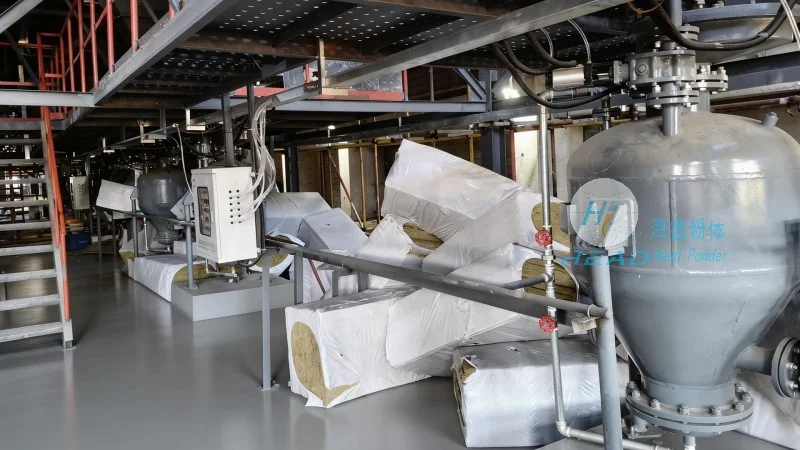
Despite its advantages, quantitative powder material pneumatic conveying equipment may face certain challenges in specific applications. One of the main challenges is the potential for material clogging or blockage in the conveying pipeline, especially for powders with high moisture content or cohesive properties. This issue can be mitigated by using appropriate pipeline materials, maintaining proper air flow, and incorporating anti-clogging devices. Another challenge is the wear and corrosion of the equipment components, particularly in the presence of abrasive or corrosive powders. Regular maintenance and the use of wear-resistant materials can help extend the equipment's lifespan. The energy consumption of the pneumatic conveying system is also a consideration, as it requires significant air pressure or vacuum to transport materials. However, advancements in energy-efficient motors and optimized pipeline designs have helped reduce energy costs. Additionally, the initial investment cost of the equipment may be higher compared to traditional mechanical conveyors, but the long-term benefits, such as reduced maintenance and increased productivity, often outweigh the initial costs.
Conclusion
Quantitative powder material pneumatic conveying equipment, as an advanced solution for bulk powder handling, continues to play a vital role in modern industrial processes. The integration of precise dosing mechanisms with pneumatic conveying technology ensures efficient, clean, and controlled material transport, meeting the demands of various industrial applications. Companies like Shandong HeadPowder Engineering Co., Ltd., based in China, specialize in the design, manufacturing, and supply of such equipment, providing tailored solutions to meet the specific needs of different industries. With ongoing technological advancements, this equipment is expected to further evolve, offering even higher efficiency, precision, and adaptability for future industrial material handling challenges.