

Principle and Working Scene Characteristics of Soda Ash Powder Pneumatic Conveying Equipment
HeadPowder, a leading manufacturer based in Shandong, China, specializes in the design and production of advanced pneumatic conveying systems tailored for soda ash powder applications. The core principle behind these systems involves the use of air to transport dry powder materials like soda ash efficiently over long distances or within complex industrial setups. This method eliminates the need for traditional mechanical conveyors, which can be prone to material buildup and maintenance issues.
Understanding the Pneumatic Conveying Principle
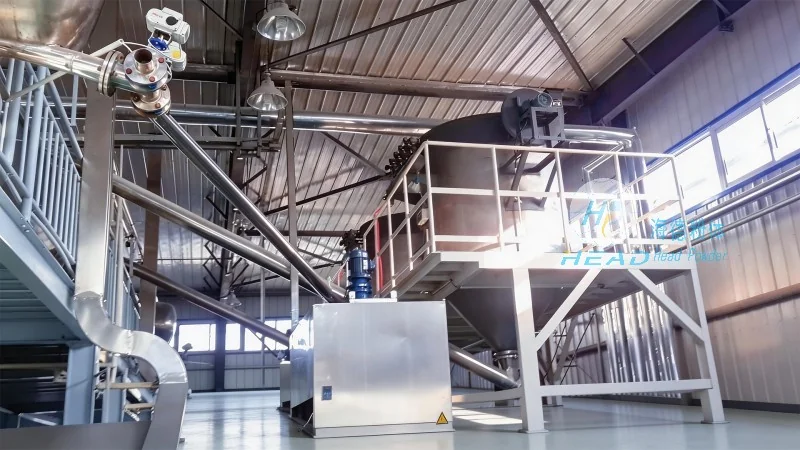
The fundamental mechanism of soda ash powder pneumatic conveying equipment relies on creating a pressure differential between the material feed point and the discharge point. By introducing compressed air into the conveying line, the system generates a flow that lifts and transports the powder particles. This process is typically categorized into two main types: dilute phase and dense phase conveying. Dilute phase systems use higher air velocities to move the powder in a suspended state, suitable for shorter distances and lower material loads. In contrast, dense phase systems employ lower air velocities and higher material concentrations, ideal for longer distances and preventing product degradation or segregation.
Key Components and Their Functions
Effective soda ash powder pneumatic conveying systems consist of several critical components that work in tandem to ensure reliable operation. The primary components include a material hopper or feeder, which feeds the soda ash powder into the conveying line; a blower or compressor that generates the necessary air pressure; a conveying line (often made of stainless steel to resist corrosion from soda ash); and a receiver or discharge hopper where the material is deposited. Additionally, many systems incorporate filters and cyclones to separate the air from the powder, ensuring that the material is delivered in a clean, dry state. The choice of components depends on the specific characteristics of the soda ash powder, such as particle size, moisture content, and flowability, as well as the operational requirements of the application.
Working Scene Characteristics and Applications
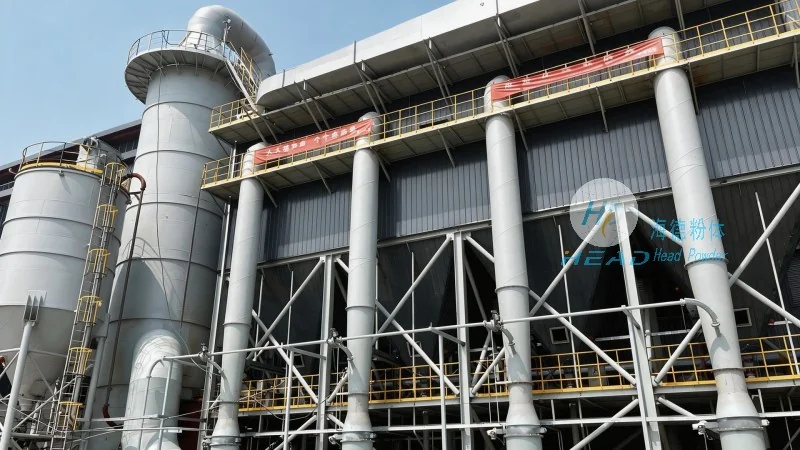
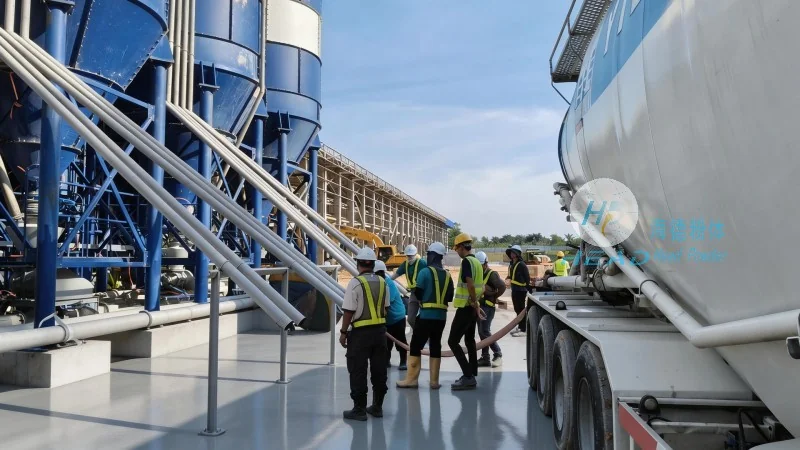
The working scene characteristics of soda ash powder pneumatic conveying equipment are tailored to meet the diverse needs of industrial processes. One common application is in chemical manufacturing plants where soda ash is used as a raw material for glass production, detergent manufacturing, or water treatment. In these settings, the equipment is often integrated into a larger production line, requiring seamless integration with other machinery and processes. The ability to transport soda ash powder without manual handling reduces labor costs and minimizes the risk of dust exposure, enhancing workplace safety. Another typical scenario involves bulk material handling in ports or storage facilities, where the equipment is used to transfer large quantities of soda ash from storage silos to processing units or shipping containers. The flexibility of pneumatic conveying allows for vertical, horizontal, or even inclined transport, adapting to the layout of the facility. Furthermore, in pharmaceutical or food processing industries, where material purity is paramount, the closed system design of these conveyors prevents contamination, making them suitable for sensitive applications.
Advantages Over Traditional Conveying Methods
Compared to traditional mechanical conveyors, soda ash powder pneumatic conveying systems offer several distinct advantages. First, they eliminate the need for physical contact between the material and the conveyor components, reducing wear and tear and extending the lifespan of the equipment. This is particularly beneficial for soda ash, which can be abrasive and corrosive to metal surfaces. Second, pneumatic conveying systems are highly efficient in terms of energy consumption, as they use compressed air to move the material rather than mechanical power. Third, the closed system design minimizes dust emissions, improving air quality and compliance with environmental regulations. Additionally, these systems are more flexible in terms of layout, allowing for easy reconfiguration to accommodate changes in production processes or facility expansions. The ability to transport materials over long distances without intermediate storage points also streamlines operations and reduces inventory costs.
Customization and Scalability for Diverse Needs
HeadPowder recognizes that each industrial application has unique requirements, and thus offers customized pneumatic conveying solutions for soda ash powder. The company’s engineers work closely with clients to assess their specific needs, including material characteristics, transport distances, and operational constraints, to design a system that maximizes efficiency and reliability. Customization may involve adjusting the blower capacity, modifying the conveying line diameter, or incorporating additional features such as temperature control or material drying units. Furthermore, the systems are scalable, allowing for expansion as production volumes increase. This flexibility ensures that clients can start with a basic system and upgrade it as their needs evolve, providing a long-term solution that grows with their business.
Conclusion
For industries dealing with soda ash powder, pneumatic conveying equipment from HeadPowder offers a reliable, efficient, and safe solution for material transport. By leveraging the principles of air-based transport, these systems address the challenges associated with traditional conveying methods, providing a cost-effective and environmentally friendly alternative. With a focus on customization and scalability, HeadPowder’s solutions are tailored to meet the diverse needs of various industrial applications, ensuring optimal performance and long-term operational success.