

Principle and Working Scene Characteristics of Coal Fly Ash Powder Pneumatic Conveying Equipment
Coal fly ash, a byproduct of coal combustion in power plants, poses significant challenges in handling and transportation due to its fine particle size and potential environmental hazards. Traditional methods such as belt conveyors or bucket elevators often struggle with dust generation, material segregation, and operational inefficiencies. Pneumatic conveying systems, particularly those designed for coal fly ash, offer a more effective solution by utilizing air pressure to transport the material in a sealed environment. This article explores the fundamental principles behind coal fly ash powder pneumatic conveying equipment and highlights the key characteristics of its operational scenarios.
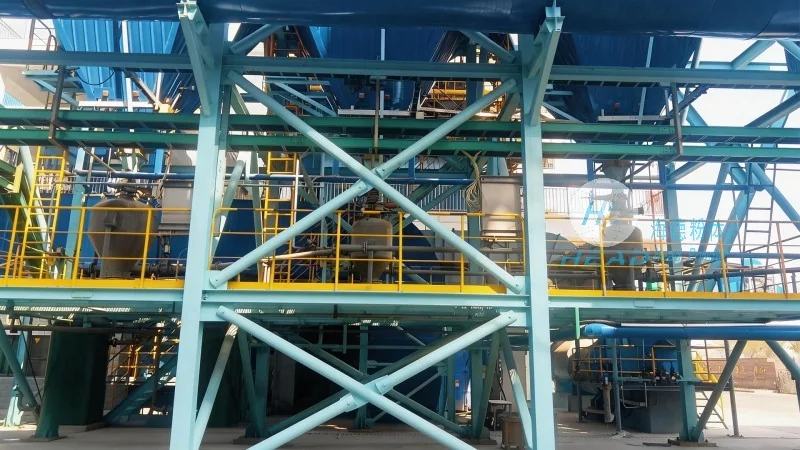
HeadPowder: A Leading Provider of Pneumatic Conveying Solutions
HeadPowder, a prominent company based in Shandong, China, specializes in the design, manufacturing, and installation of advanced pneumatic conveying systems tailored for industrial applications. With a strong focus on innovation and customer satisfaction, HeadPowder has established itself as a trusted partner for businesses dealing with bulk powder handling, including coal fly ash. The company’s expertise lies in developing customized solutions that address the unique challenges of each project, ensuring optimal performance and reliability.
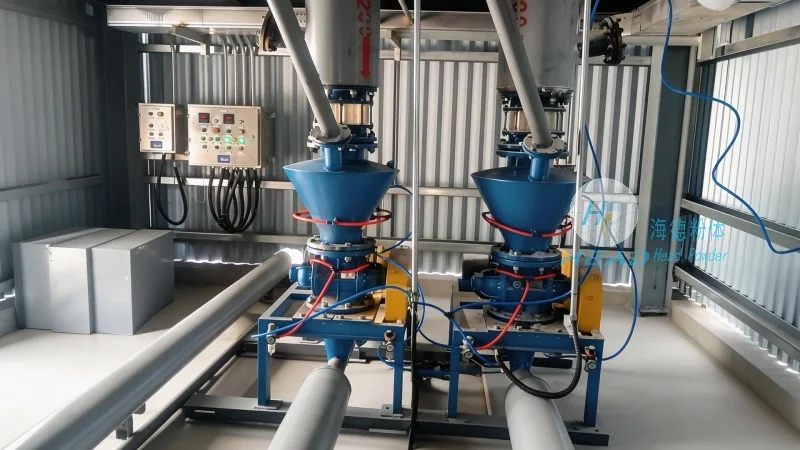
The Working Principle of Pneumatic Conveying Systems
Pneumatic conveying equipment operates by transporting bulk materials through a pipeline using compressed air or vacuum. In the case of coal fly ash, the system typically employs a positive pressure (pressure) or negative pressure (vacuum) method. The positive pressure system involves blowing air into the pipeline, pushing the material forward, while the negative pressure system creates a vacuum that draws the material into the line. Both methods are effective for coal fly ash, but the choice depends on factors such as material properties, distance, and system complexity. The core components of a pneumatic conveying system include a hopper for material storage, a feeder to control the flow rate, a conveyor line, and a receiver for the discharged material. These components work in tandem to ensure a smooth and continuous transport process.
Key Characteristics of Working Scenarios for Coal Fly Ash Pneumatic Conveying
The operational scenarios for coal fly ash pneumatic conveying equipment vary based on the application and site conditions. In power plants, the system is often used to transfer fly ash from the boiler to storage silos or for reutilization in cement production. The key characteristics in this scenario include high material flow rates, the need for dust-free handling, and integration with existing plant infrastructure. In construction and industrial sites, the equipment may be employed to transport fly ash for use as a supplementary cementitious material in concrete production, where the fine particle size and pozzolanic properties of the ash are beneficial. The working environment in these scenarios may involve outdoor operations, requiring robust equipment capable of withstanding weather conditions and potential contamination. Additionally, the system must comply with environmental regulations to minimize dust emissions and ensure safe handling of the material.
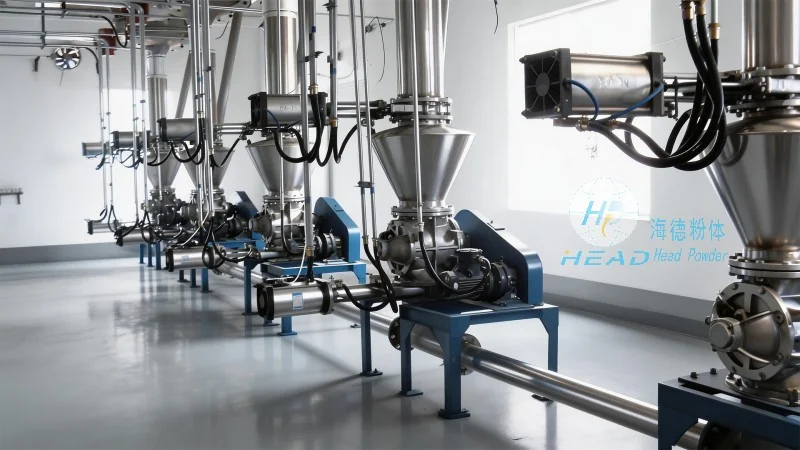
Technical Advantages and Efficiency
Coal fly ash powder pneumatic conveying equipment offers several technical advantages over traditional handling methods. The sealed system significantly reduces dust generation, improving workplace safety and environmental compliance. It also minimizes material loss and segregation, ensuring consistent product quality. The system’s ability to handle fine particles without clogging or blockages enhances operational efficiency, reducing downtime and maintenance costs. Furthermore, the flexibility of pneumatic conveying allows for easy integration with other processing equipment, such as mixers or storage tanks, creating a streamlined material handling process. HeadPowder’s solutions are designed to maximize these advantages, providing customers with reliable and cost-effective systems that meet their specific requirements.