

Principles and Application Scenarios of Pneumatic Conveying for Caustic Soda Materials
Caustic soda, also known as sodium hydroxide, is a widely used chemical in various industrial processes, including manufacturing, water treatment, and chemical synthesis. The efficient and safe handling of caustic soda materials is crucial for industrial operations, and pneumatic conveying systems have emerged as a reliable method for transporting these materials from one location to another. This article explores the principles of pneumatic conveying for caustic soda materials and highlights the key application scenarios where such systems are particularly effective.
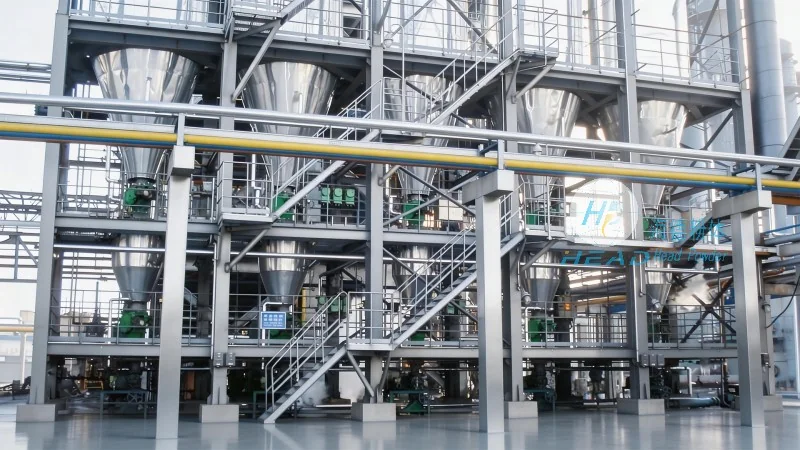
Understanding Pneumatic Conveying Systems
Pneumatic conveying, or air-based material transport, involves the movement of bulk materials through a pipeline using compressed air or other gas. For caustic soda, which is often in solid form (such as flakes or pellets), the system typically operates by creating a flow of air that carries the material particles through the pipeline. There are two main types of pneumatic conveying systems: pressure (or positive pressure) systems and suction (or negative pressure) systems. Pressure systems use a blower or compressor to force air and material through the pipeline, while suction systems use a vacuum to draw material into the pipeline. Each type has its own advantages and is suitable for different operational conditions.
Key Principles of Caustic Soda Pneumatic Conveying
The core principle of pneumatic conveying for caustic soda is to maintain a consistent flow of material and air within the pipeline, ensuring that the material is transported without clogging or degradation. Several critical factors influence the effectiveness of the system:
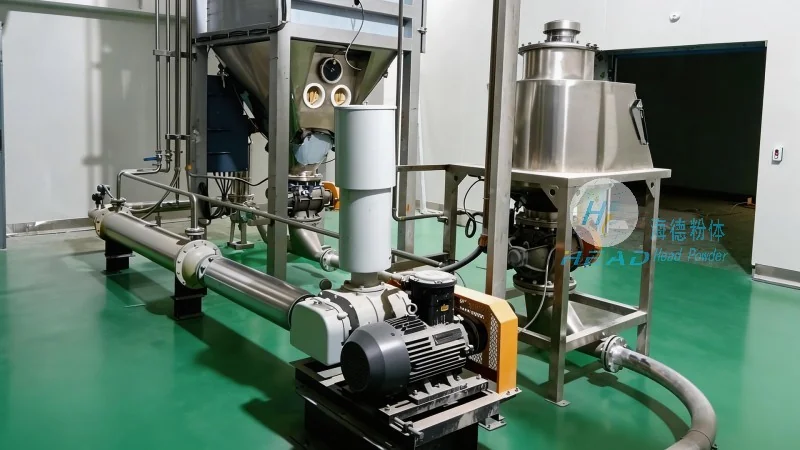
- Particle Size and Density: Caustic soda flakes or pellets have specific size and density characteristics that affect the conveying velocity and pressure requirements. Smaller particles may require higher air velocities to prevent settling, while larger particles may need lower velocities to avoid excessive wear on the system components.
- Air Velocity and Pressure: The air velocity must be sufficient to keep the material in suspension but not so high as to cause excessive energy consumption or equipment wear. The pressure or vacuum level is adjusted based on the distance and elevation changes between the source and destination points.
- System Design and Components: A well-designed pneumatic conveying system includes components such as feeders, cyclones, filters, and receivers. The feeder ensures a consistent material flow into the pipeline, while the cyclone separates the material from the air at the destination. Filters are used to capture any fine particles that may escape, and receivers store the conveyed material. The choice of materials for these components is critical, as caustic soda can be corrosive and may damage standard equipment.
Common Application Scenarios for Caustic Soda Pneumatic Conveying
Pneumatic conveying systems for caustic soda are widely used in various industrial settings, each with unique requirements and benefits:
- Manufacturing Plants: In large-scale caustic soda production facilities, pneumatic conveying is used to transport raw materials (such as sodium chloride and calcium hydroxide) to reactors and to move finished products from storage tanks to packaging areas. The system allows for seamless integration with other production processes, minimizing downtime and improving overall efficiency.
- Water Treatment Facilities: Caustic soda is commonly used in water treatment to adjust pH levels and remove impurities. Pneumatic conveying systems are employed to deliver caustic soda from storage silos to dosing points in the treatment plant. This method ensures precise dosing and reduces the risk of human exposure to the material, enhancing safety in the workplace.
- Chemical Processing and Synthesis: In chemical manufacturing, caustic soda is used as a reactant in various processes, such as the production of soaps, detergents, and other chemical products. Pneumatic conveying facilitates the transfer of caustic soda from storage to reaction vessels, ensuring a continuous supply of material and maintaining process stability.
- Pharmaceutical and Food Processing: While less common due to the corrosive nature of caustic soda, some specialized applications in pharmaceutical and food processing may require the use of pneumatic conveying systems. In these cases, the system must meet stringent hygiene and safety standards, with components made from food-grade materials and equipped with advanced filtration to prevent contamination.
Advantages of Pneumatic Conveying for Caustic Soda
Compared to traditional methods like belt conveyors or bucket elevators, pneumatic conveying offers several advantages for handling caustic soda materials:
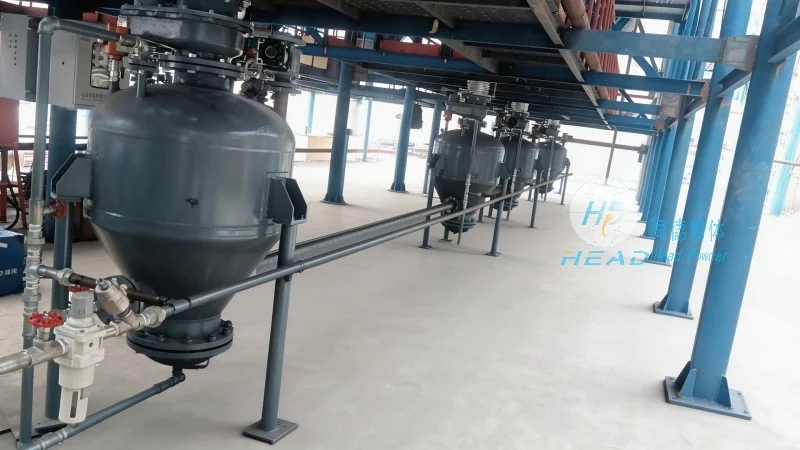
- Reduced Downtime and Maintenance: Pneumatic systems are generally more reliable and require less maintenance than mechanical systems. The absence of moving parts in the pipeline reduces the risk of breakdowns and extends the lifespan of the equipment.
- Improved Safety: By eliminating the need for manual handling of caustic soda, pneumatic conveying minimizes the risk of exposure to the material, which can cause skin irritation, eye damage, and respiratory issues. The enclosed system also prevents dust and fumes from escaping into the environment.
- Energy Efficiency: Modern pneumatic conveying systems are designed to be energy-efficient, with adjustable air velocities and pressure levels that optimize energy consumption based on the conveying distance and material characteristics.
- Flexibility and Scalability: Pneumatic systems can be easily modified or expanded to accommodate changes in production volume or process requirements. The ability to add or remove sections of the pipeline allows for flexible integration into existing industrial setups.
HeadPowder Engineering: Expertise in Caustic Soda Pneumatic Conveying Solutions
Shandong HeadPowder Engineering Co., Ltd., a leading provider of industrial material handling solutions, specializes in designing and manufacturing pneumatic conveying systems tailored to the specific needs of caustic soda applications. With years of experience in the chemical industry, HeadPowder understands the unique challenges associated with handling caustic soda, including its corrosive nature and the need for safe, efficient transport. The company’s team of engineers and technicians work closely with clients to develop customized solutions that meet their operational requirements and regulatory standards.
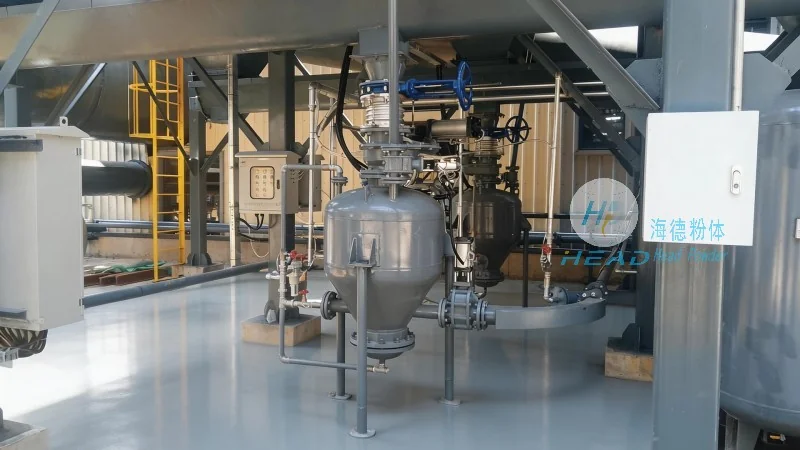
HeadPowder’s pneumatic conveying systems for caustic soda are built using high-quality materials, such as stainless steel and corrosion-resistant alloys, to withstand the harsh conditions of caustic soda handling. The company offers a range of components, including feeders, cyclones, and filters, that are designed to maximize performance and longevity. Additionally, HeadPowder provides comprehensive support services, including installation, commissioning, and maintenance, to ensure that clients can operate their systems efficiently and reliably.
HeadPowder Engineering is committed to providing innovative and sustainable solutions for caustic soda material handling. By leveraging advanced technology and industry expertise, the company helps clients improve their operational efficiency, reduce costs, and enhance workplace safety. With a focus on quality and customer satisfaction, HeadPowder remains a trusted partner for businesses seeking reliable pneumatic conveying systems for caustic soda applications.