

Principle and Working Scene Characteristics of Nitrogen Oxide Removal Urea Material Pneumatic Convey
Pneumatic conveying technology is pivotal in the efficient handling of denitrification urea materials, which are essential for reducing nitrogen oxide emissions in modern industrial processes. This method utilizes air or gas to transport solid urea particles through a pipeline system, offering advantages over traditional mechanical conveying such as reduced material degradation, lower maintenance needs, and enhanced safety for handling potentially hazardous substances. Understanding the core principles and specific working scene characteristics is crucial for optimizing system performance and reliability.
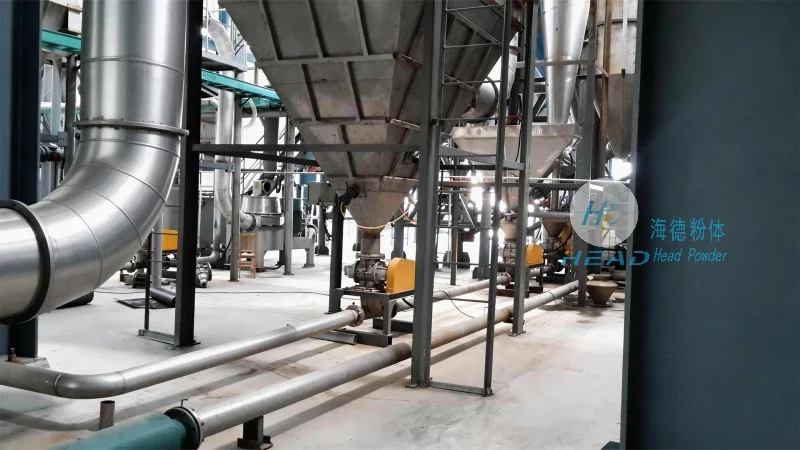
The Fundamental Principle of Pneumatic Conveying for Denitrification Urea
The underlying principle of pneumatic conveying for denitrification urea revolves around creating a pressure differential to lift and transport solid particles. Positive pressure systems introduce compressed air at the material inlet, generating higher pressure than ambient air to force urea particles along the pipeline. Negative pressure (vacuum) systems, conversely, draw air and material into the pipeline using a vacuum at the receiving end. For denitrification urea, which requires precise control over particle size and flow rate to maintain optimal denitrification efficiency, system design parameters like conveying velocity and pressure levels are critical. Factors including particle size distribution, moisture content, and bulk density directly influence these parameters to prevent blockages or excessive energy use.
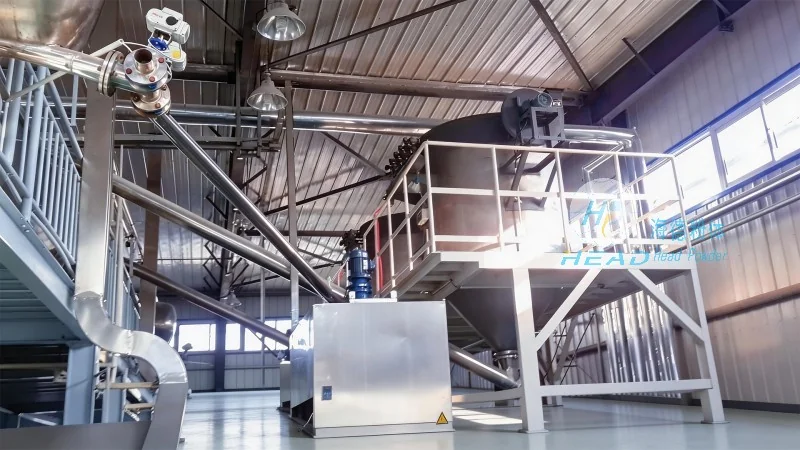
Key Working Scene Characteristics of Pneumatic Conveying Systems
The working scene characteristics of pneumatic conveying systems for denitrification urea are shaped by operational and environmental factors. First, the system must address urea's granular structure and potential agglomeration, as agglomerates can cause pipeline blockages. Anti-agglomeration measures, like additives or vibration devices, may be integrated. Second, precise control over temperature and humidity is needed to prevent moisture absorption or chemical reactions affecting urea's effectiveness. This often involves temperature/humidity control mechanisms in the conveying line or at storage/discharge points. Third, space constraints and integration with existing infrastructure are key. Pneumatic systems adapt to new or retrofit applications, minimizing disruption while integrating with storage silos, mixing units, and emission control devices for seamless material flow.
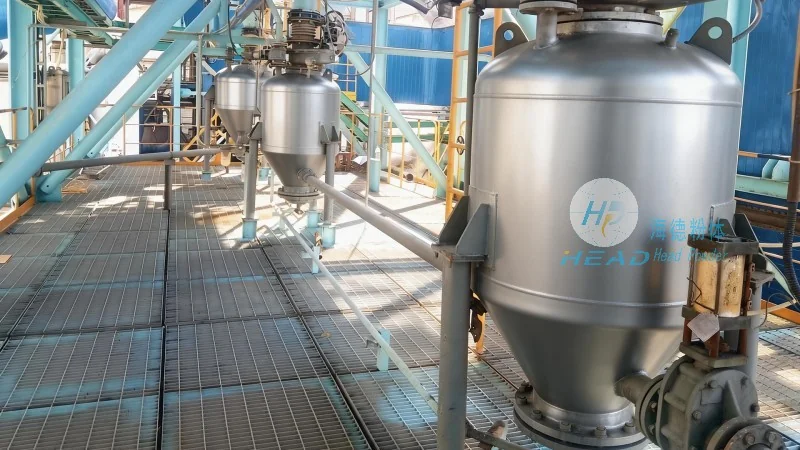
Application Scenarios and Operational Benefits
Denitrification urea is widely used in power plants, industrial boilers, and other facilities to control nitrogen oxide emissions. Pneumatic conveying systems excel here by transporting urea over long distances with minimal loss and high efficiency. For example, in power plants, the system delivers urea from storage silos to boiler injection points, ensuring consistent, controlled dosage for optimal denitrification. Operational benefits include reduced labor costs from manual handling, improved safety by minimizing urea dust exposure, and enhanced process control via automated flow monitoring. Energy efficiency, especially when optimized for denitrification urea, lowers operational costs and environmental impact. The system's adaptability to varying flow rates and loads makes it reliable for fluctuating production demands.