

Principle and Working Scene Characteristics of Pneumatic Conveying Systems for Plastic Materials
Pneumatic conveying systems have become a cornerstone in modern material handling, particularly for plastic materials. These systems utilize air or gas to transport bulk materials from one location to another, offering a flexible and efficient solution for industries dealing with plastic powders, granules, or pellets. The technology has evolved significantly over the years, adapting to the unique properties of plastic materials while ensuring reliability and cost-effectiveness in various industrial applications.
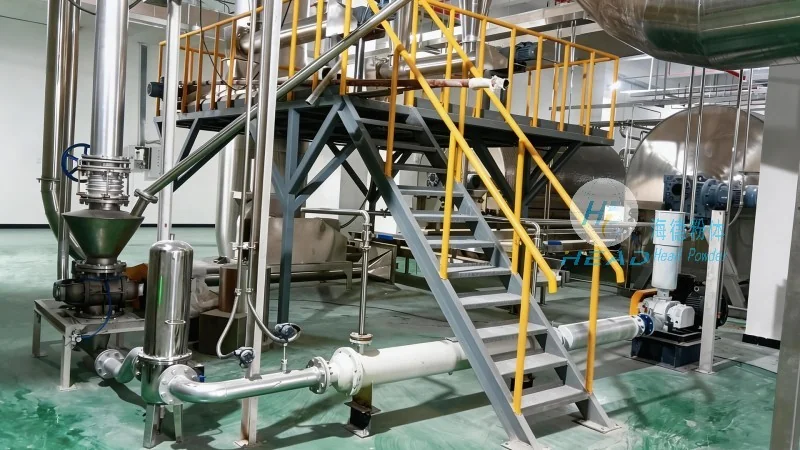
The Core Principle of Pneumatic Conveying
The fundamental principle behind pneumatic conveying is the use of differential pressure to move materials through a pipeline. In a typical system, a fan or blower generates airflow that creates a pressure difference between the inlet and outlet of the conveying line. As the material is introduced into the system, it is entrained by the moving air and carried through the pipeline to the destination. This process can be categorized into two main types: dilute-phase and dense-phase conveying, each tailored to different material characteristics and operational requirements.
Dilute-Phase Conveying for Plastic Materials
Dilute-phase conveying is commonly used for plastic materials due to its ability to handle fine powders and granules efficiently. In this method, the material is suspended in the air stream at a relatively low concentration, typically with a material-to-air ratio of less than 10% by weight. The system operates at higher air velocities, often exceeding 20 m/s, which ensures that the particles remain airborne and are transported with minimal pressure drop. This approach is ideal for short to medium-distance transfers and is widely adopted in plastic processing plants for transporting raw materials like polyethylene, polypropylene, and other polymer powders.
Dense-Phase Conveying for Plastic Materials
Dense-phase conveying, on the other hand, is preferred for handling plastic materials that are more prone to degradation or require gentle handling. This method involves conveying the material at a higher concentration, often with a material-to-air ratio of 10-50% by weight, and operates at lower air velocities. The material is typically transported in a slug or plug flow, reducing the risk of particle attrition and maintaining product integrity. Dense-phase systems are particularly suitable for transporting sensitive plastic powders, such as those used in food packaging or medical applications, where contamination and material damage must be minimized.
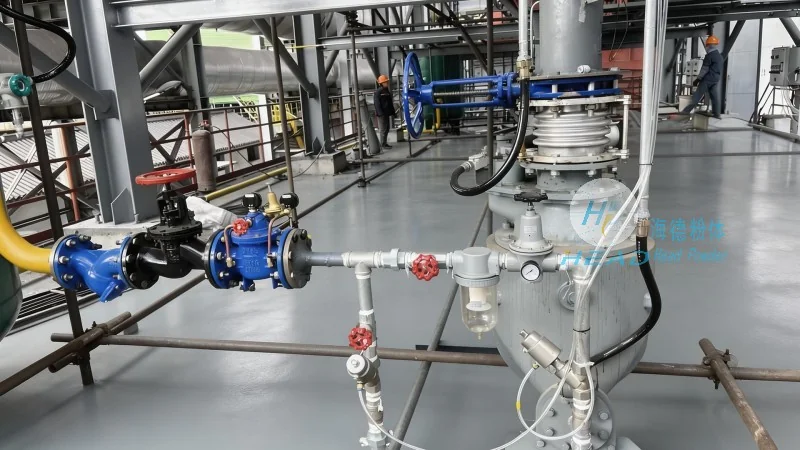
Key Working Scene Characteristics
The working scene characteristics of pneumatic conveying systems for plastic materials are influenced by several factors, including material properties, system design, and operational conditions. These characteristics determine the system's efficiency, reliability, and suitability for specific industrial environments. Understanding these aspects is crucial for selecting the right system and optimizing its performance.
Material Properties and System Design
Plastic materials exhibit diverse properties, such as particle size, density, moisture content, and flowability, which directly impact the choice of pneumatic conveying system. For example, fine plastic powders with high moisture content may require pre-drying or moisture control measures to prevent clogging and ensure smooth operation. The system design, including the type of air mover (centrifugal or positive displacement), pipeline layout, and material feed mechanisms, must be tailored to accommodate these material characteristics. Proper design ensures that the system can handle the specific plastic material without compromising performance or product quality.
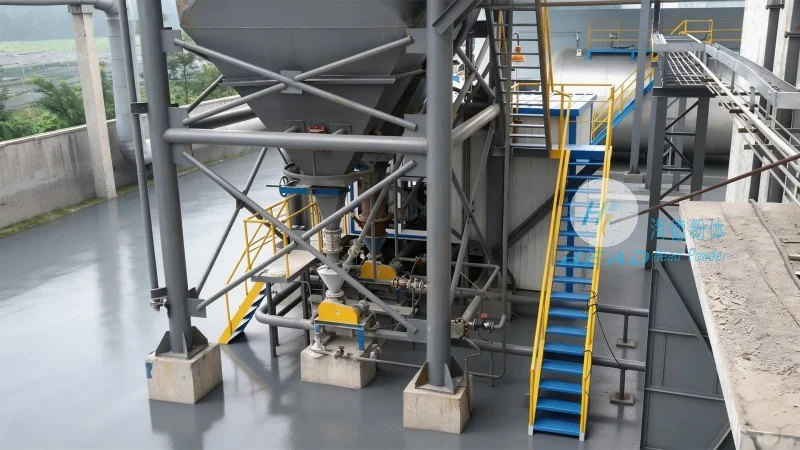
Operational Efficiency and Maintenance
Operational efficiency is a critical aspect of pneumatic conveying systems for plastic materials. Factors such as air pressure, flow rate, and system layout influence the overall efficiency of material transport. Efficient systems minimize energy consumption while maintaining the required conveying capacity. Regular maintenance is also essential to ensure the longevity and reliability of the system. This includes checking air mover performance, inspecting pipeline for blockages or wear, and maintaining material feed equipment. Proper maintenance practices help prevent system downtime and reduce long-term operational costs.
Application Scenarios in Plastic Processing
Pneumatic conveying systems are widely used in various plastic processing applications, including raw material handling, product transfer, and waste management. In raw material handling, these systems efficiently transport plastic powders and granules from storage silos to processing equipment, such as extruders or mixers. During product transfer, they move finished plastic products or intermediates between different stages of the production line, ensuring a seamless workflow. Additionally, pneumatic conveying can be used for waste management, transporting plastic scraps or contaminated materials to recycling or disposal facilities. These applications highlight the versatility and importance of pneumatic conveying systems in the plastic industry.
Conclusion and Company Overview
Pneumatic conveying systems for plastic materials offer a reliable and efficient solution for material handling in the plastic industry. By understanding the core principles, system types, and working scene characteristics, industries can select and implement the most suitable system for their specific needs. Shandong HeadPowder Engineering Co., Ltd., a leading provider in this field, specializes in designing and manufacturing customized pneumatic conveying systems tailored to the unique requirements of plastic processing facilities. With a focus on innovation and quality, the company ensures that its systems meet the highest standards of performance and reliability, supporting the efficient operation of plastic manufacturing plants worldwide.