

Principle and Working Scene Characteristics of Bulk Material Pneumatic Conveying Lines in Silos
For industrial applications involving bulk material handling, the pneumatic conveying line within a silo is a critical system that ensures efficient material transport from storage to processing units. This article explores the fundamental principles behind such systems and highlights the key characteristics of their operational environments.

Introduction to Silo Pneumatic Conveying Systems
A silo pneumatic conveying line is a closed-loop system designed to move dry bulk materials, such as powders or granules, from a storage silo to processing equipment like mixers, reactors, or packaging machines. The core of this system relies on the use of compressed air or other gases to create a flow that propels the material through a network of pipes and components. The system typically includes a silo hopper, a conveying line, a receiver, and control valves, all working in tandem to maintain consistent material flow and pressure.
Principle of Pneumatic Conveying in Silos
The fundamental principle of pneumatic conveying is based on the interaction between the material particles and the moving air stream. When air is introduced into the silo's discharge port, it creates a low-pressure zone that draws the material into the conveying line. The material is then suspended and transported by the air flow, which can be either dense-phase or dilute-phase, depending on the system design and material properties. Dense-phase conveying, where material is conveyed in a solid plug with minimal air, is often preferred for fragile or sensitive materials to prevent degradation. Dilute-phase conveying, involving a larger volume of air and smaller particle suspension, is suitable for lighter materials or when longer distances need to be covered.
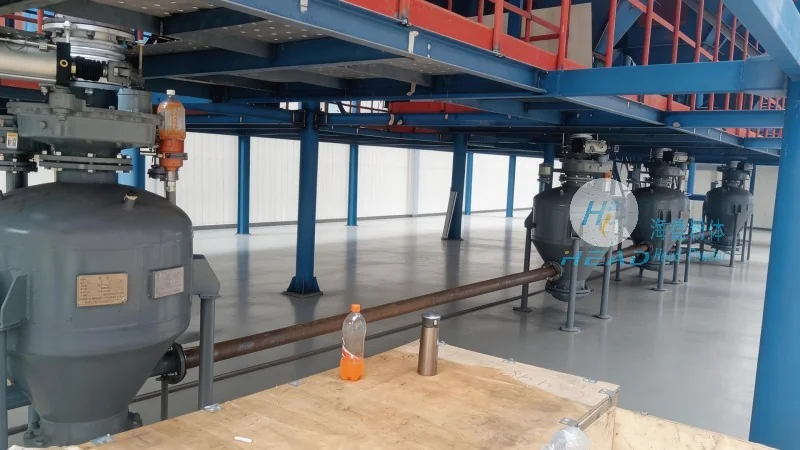
Key Working Scene Characteristics
The operational environment of a silo pneumatic conveying line is characterized by several factors that influence system performance and efficiency. Firstly, the system must be integrated seamlessly with the silo structure, ensuring that material discharge is smooth and consistent. This requires precise design of the hopper geometry and the placement of the air inlet to avoid material bridging or blockages. Secondly, the conveying line must be constructed from materials resistant to corrosion and wear, as many bulk materials can be abrasive and may contain moisture that leads to rust or degradation over time. Stainless steel or special alloys are commonly used for this purpose.
Thirdly, the system's control mechanisms are critical for maintaining optimal operation. Pressure sensors, flow meters, and automated valves are integrated to regulate air pressure, material flow rate, and system pressure, ensuring that the conveying process is stable and energy-efficient. The control system also monitors for blockages or pressure drops, triggering alarms or automatic shutdowns to prevent system damage. Additionally, the system must be designed to handle varying material characteristics, such as different particle sizes, densities, or moisture contents, without compromising performance. This adaptability is essential for industrial settings where material types may change frequently.
Applications and Benefits in Industrial Settings
Silo pneumatic conveying lines are widely used across various industries, including food processing, pharmaceuticals, chemicals, and mining. In the food industry, for example, these systems are employed to transport ingredients like flour, sugar, or spices from silos to production lines, ensuring hygienic and efficient handling. In pharmaceutical manufacturing, the systems are crucial for conveying active pharmaceutical ingredients (APIs) or excipients, where contamination control and precise dosing are paramount. The benefits of using pneumatic conveying in these scenarios include reduced labor costs, minimized material waste, and improved safety compared to manual handling methods.
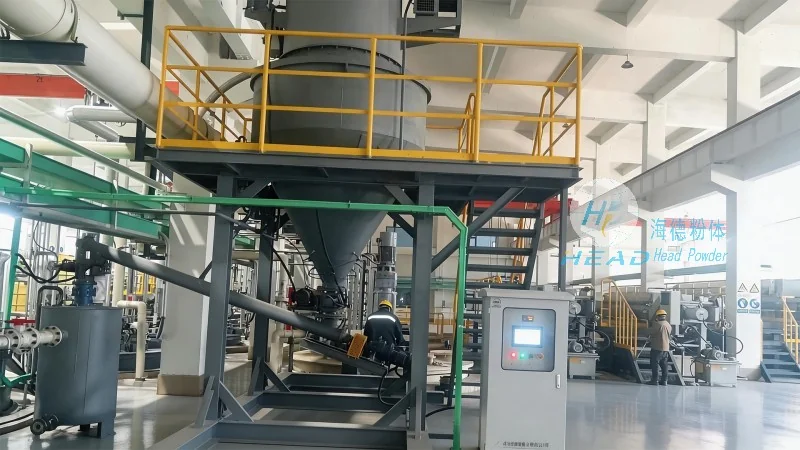
Furthermore, the flexibility of pneumatic conveying allows for the integration of multiple silos or processing units into a single system, enabling complex material flow management. This is particularly valuable in large-scale operations where materials need to be routed from one storage location to another or to different processing stages. The system's ability to handle a wide range of materials and distances makes it a versatile solution for modern industrial needs.
Conclusion
In summary, the silo pneumatic conveying line is a sophisticated system that leverages the principles of fluid dynamics to transport bulk materials efficiently and safely. Its operational characteristics, including seamless integration with silo structures, robust material handling capabilities, and advanced control systems, make it an indispensable component in many industrial applications. As industries continue to demand higher efficiency and reliability in material handling, the design and implementation of such systems remain a key focus for companies like Shandong HeadPowder Engineering Co., Ltd., based in China, which specializes in providing tailored solutions for bulk material processing needs.