

Principle and Working Scene Characteristics of Pneumatic Conveying Line for Metallurgical Coke Powde
HeadPowder, a prominent name in the field of material handling solutions, specializes in the design, manufacturing, and implementation of advanced pneumatic conveying systems. With a strong presence in China, particularly in Shandong, the company has established itself as a trusted partner for industries requiring efficient and reliable transport of bulk materials. This article delves into the core principles of pneumatic conveying lines specifically tailored for metallurgical coke powder, alongside an exploration of the distinct working scene characteristics that define their application in industrial settings.
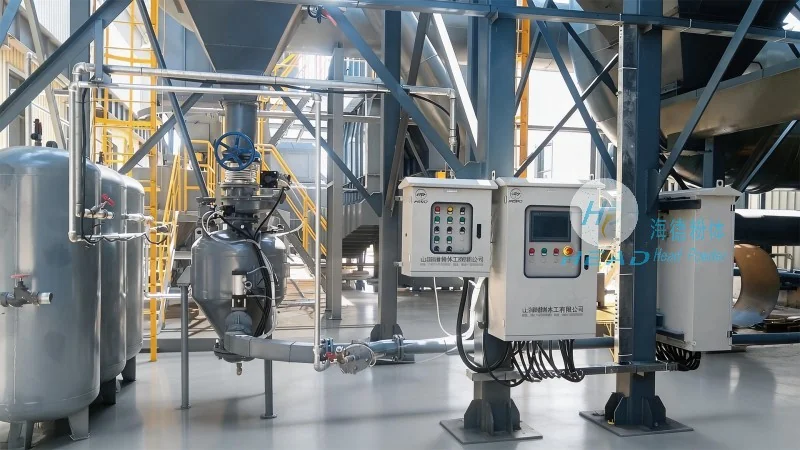
Pneumatic Conveying Line for Metallurgical Coke Powder: A Comprehensive Overview
The pneumatic conveying line for metallurgical coke powder is a sophisticated system engineered to transport fine, dry coke powder through a network of pipes using air or other gas as the conveying medium. This technology offers a highly efficient alternative to traditional mechanical conveying methods, such as belt conveyors or screw conveyors, by eliminating the need for physical contact between the material and the conveying equipment. The system typically consists of several key components, including a hopper for material storage, a rotary valve for controlled discharge, a conveying line (often equipped with bends and straight sections), a dust collector or filter system to manage airborne particles, and a blower or fan to generate the necessary air pressure. The entire setup is designed to ensure minimal material degradation, low maintenance requirements, and high operational efficiency, making it ideal for applications where precision and reliability are paramount.
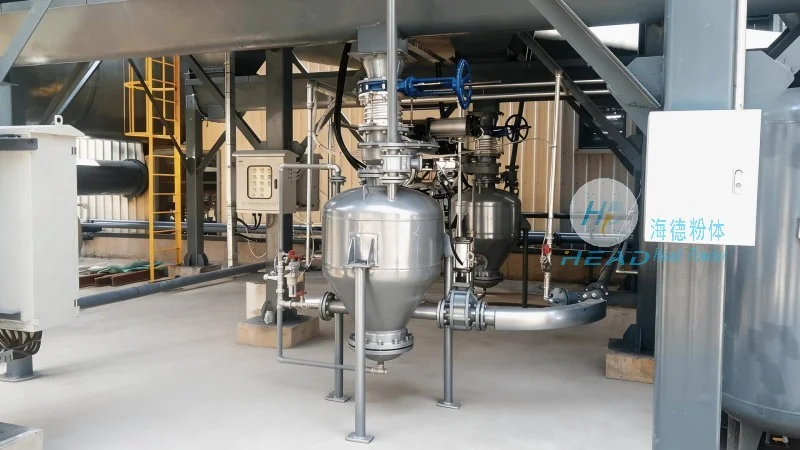
The Principle of Pneumatic Conveying Technology for Coke Powder
The fundamental principle behind pneumatic conveying of coke powder is the creation of a pressure differential within the conveying line. By introducing air or gas into the system, the pressure inside the pipe is increased, which in turn lifts and propels the coke powder particles forward. This process can be categorized into two main types: dilute-phase and dense-phase conveying. Dilute-phase conveying operates at higher air velocities, typically moving particles in a suspended state, while dense-phase conveying uses lower air velocities to move material in a more compact, plug-like flow. For metallurgical coke powder, dilute-phase systems are commonly preferred due to their ability to handle fine particles and maintain consistent flow rates, although dense-phase options are available for applications requiring reduced particle breakage and lower air consumption. The choice of conveying type depends on factors such as material characteristics, required distance, and system constraints. The blower or fan plays a critical role in generating the necessary pressure, with its capacity and efficiency directly impacting the system's performance. Proper sizing and selection of the air-moving equipment are essential to ensure smooth operation and minimize energy consumption.
Working Scene Characteristics: Applications and Advantages in Metallurgical Industry
The working scene characteristics of pneumatic conveying lines for metallurgical coke powder are closely tied to the specific requirements of the metallurgical industry. These systems are widely used in various stages of coke production and processing, including raw material handling, coke screening, and transportation to downstream facilities such as blast furnaces or coke ovens. One of the key advantages of this technology is its ability to handle fine, abrasive coke powder without causing excessive wear on the conveying components. The enclosed system design also helps to prevent dust emissions, contributing to a cleaner and safer working environment. Additionally, pneumatic conveying lines offer flexibility in terms of layout, as they can be installed in various configurations to accommodate complex plant layouts and space constraints. The system's ability to transport materials over long distances with minimal loss and degradation makes it particularly suitable for large-scale industrial operations. Furthermore, the integration of dust collection and filtration systems ensures compliance with environmental regulations, reducing the environmental impact of coke powder handling. The working scene characteristics also highlight the importance of system maintenance and monitoring, as regular checks on air pressure, material flow, and equipment wear are crucial for maintaining optimal performance and extending the lifespan of the conveying line. HeadPowder's expertise in designing and implementing these systems ensures that clients receive tailored solutions that meet their specific operational needs and industry standards.
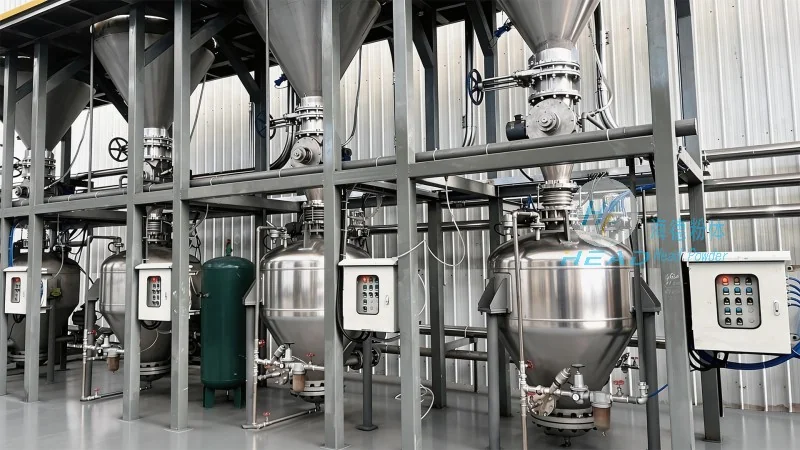
Conclusion: HeadPowder's Commitment to Excellence in Pneumatic Conveying Solutions
HeadPowder Engineering Co., Ltd., based in Shandong, China, continues to lead the way in providing innovative and reliable pneumatic conveying solutions for metallurgical coke powder. By combining advanced technology with a deep understanding of industrial requirements, the company delivers systems that enhance operational efficiency, reduce costs, and improve safety in material handling processes. The principles and working scene characteristics discussed in this article underscore the importance of choosing the right pneumatic conveying system for metallurgical applications, and HeadPowder's expertise ensures that clients receive customized solutions that meet their unique needs. With a strong commitment to quality and customer satisfaction, HeadPowder remains a trusted partner for industries seeking efficient and sustainable material transport solutions.