

Principle and Working Scene Characteristics of Mine Material Pneumatic Conveying Equipment
HeadPowder Engineering, a leading manufacturer based in Shandong, China, specializes in the design and production of advanced pneumatic conveying systems tailored for the mining industry. These systems are engineered to efficiently transport bulk materials such as ores, powders, and granules over long distances with minimal operational costs and high reliability. The core principle of pneumatic conveying involves using air as the medium to move materials through a pipeline network, eliminating the need for mechanical components like belts or buckets that are common in traditional conveyor systems.
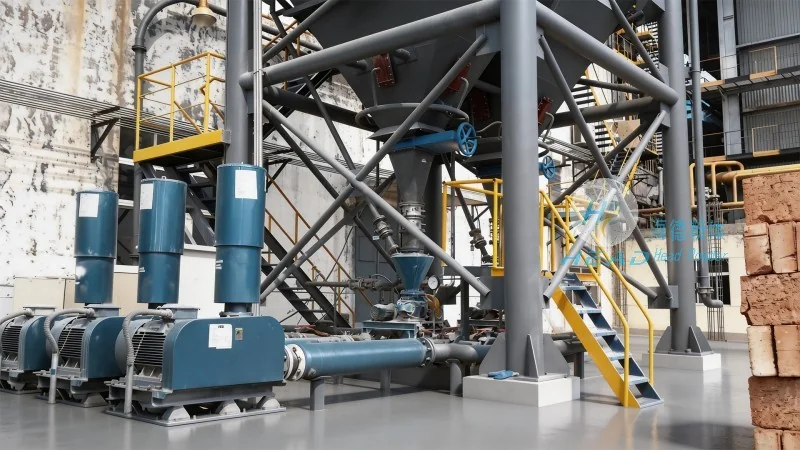
The Fundamental Principle of Pneumatic Conveying
The operation of mine material pneumatic conveying equipment is based on the fundamental principle of fluidization and air flow. In this system, a fan or blower generates a high-velocity air stream that is directed into a pipeline. The material to be conveyed is introduced into the pipeline, where it is suspended and carried by the air current. There are two primary types of pneumatic conveying systems: suction (or negative pressure) and pressure (or positive pressure) systems. Suction systems use a vacuum to draw material from a source, making them suitable for applications where the material needs to be transported from a lower elevation or from a collection point. Pressure systems, on the other hand, use compressed air to push material through the pipeline, which is ideal for long-distance or high-elevation transport. The choice between these systems depends on factors such as the distance to be covered, the material's characteristics (e.g., particle size, density, and moisture content), and the required flow rate.
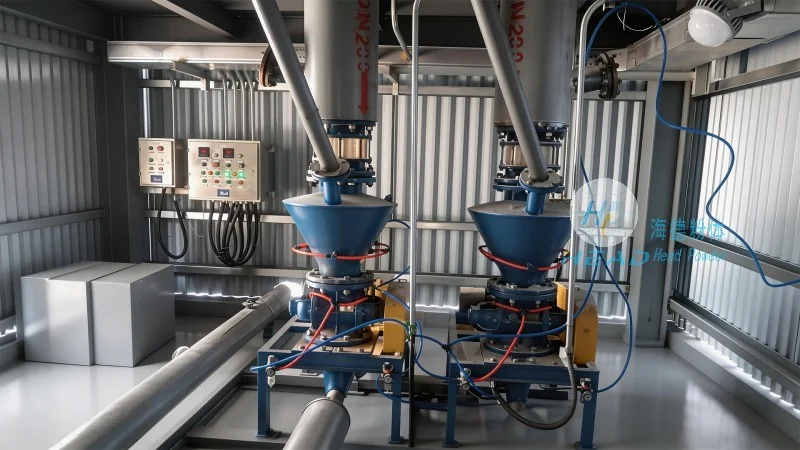
Key Working Scene Characteristics of Pneumatic Conveying in Mining
When applied in mining operations, pneumatic conveying equipment exhibits several distinct advantages that make it a preferred choice over traditional methods. One of the most notable characteristics is its ability to handle a wide variety of materials, including abrasive or corrosive substances that would otherwise damage mechanical conveyors. The system's flexibility allows for easy integration into existing mining infrastructure, with the ability to add or modify conveying lines as production needs change. Additionally, pneumatic conveying systems are highly effective in controlling dust and reducing environmental impact, which is crucial in compliance with modern mining regulations. The self-cleaning nature of the pipeline, as material is continuously moved by the air stream, minimizes the risk of blockages and ensures consistent performance over extended periods. This reliability is particularly important in continuous mining operations where downtime can lead to significant productivity losses.
Applications and Material Handling Capabilities
HeadPowder's pneumatic conveying systems are designed to handle a broad spectrum of mine materials, from fine powders like coal dust and mineral ores to larger granules such as limestone or sand. The equipment is engineered to maintain the integrity of the material during transport, preventing agglomeration or degradation that can occur with mechanical handling. For example, in coal mining, the system can efficiently transport coal from the extraction site to processing facilities, ensuring a steady supply of raw material. In metal ore processing, the equipment facilitates the transfer of crushed ores to grinding mills, where they are further processed into concentrates. The versatility of these systems also allows them to be used in tailings management, where they help in the dewatering and transport of slurry, reducing the environmental footprint of mining operations.
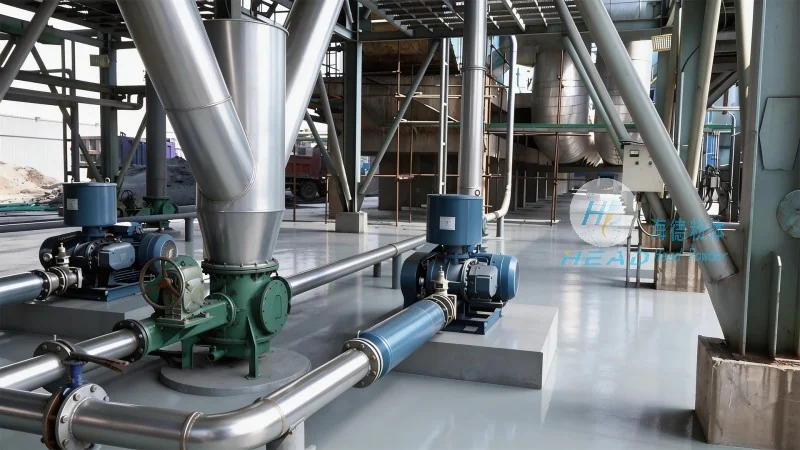
Advantages Over Traditional Conveying Methods
Compared to traditional mechanical conveyors, pneumatic conveying offers several key advantages that enhance operational efficiency and reduce costs. First, the absence of moving parts in the conveying line reduces maintenance requirements and extends the service life of the equipment. This is particularly beneficial in harsh mining environments where equipment durability is critical. Second, the system's ability to operate in a closed loop minimizes dust emissions, improving workplace safety and compliance with environmental standards. Third, the flexibility of the pipeline layout allows for more efficient use of space, as the conveying lines can be routed around obstacles or existing structures without the need for extensive reconfiguration. Finally, the high throughput capacity of pneumatic conveying systems enables mining operations to meet increased production demands, making them a valuable asset for modern mining enterprises.