

Operation Process and Working Principle of Tonne Bag Quantitative Feeding Pneumatic Conveying
HeadPowder, a leading provider of industrial material handling solutions, specializes in advanced pneumatic conveying systems designed for efficient and precise material transfer. This article explores the operation process and working principle of tonne bag quantitative feeding pneumatic conveying, a critical technology in modern bulk material handling applications.
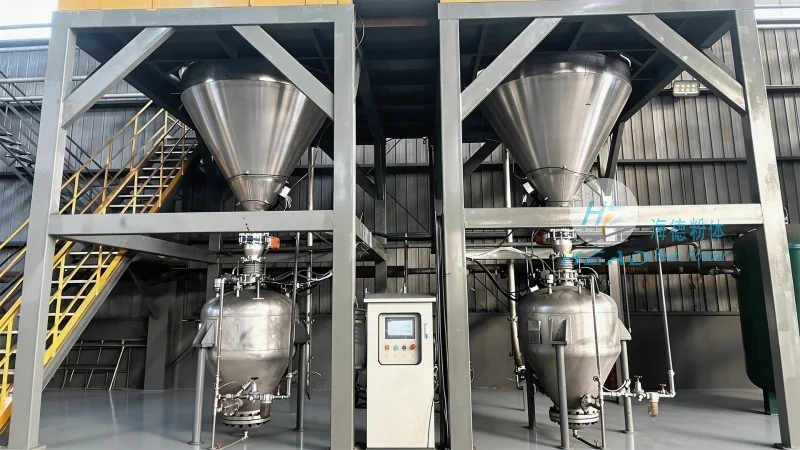
Introduction to Tonne Bag Quantitative Feeding Pneumatic Conveying
Tonne bag quantitative feeding pneumatic conveying is a sophisticated system used to transfer bulk materials from storage bags, such as tonne bags or big bags, into processing equipment with high accuracy and minimal waste. The system integrates several key components, including a bag opening mechanism, a quantitative feeder, and a pneumatic conveying line, working in tandem to ensure consistent material flow and precise dosing. This technology is widely adopted in industries like chemicals, food processing, and pharmaceuticals, where maintaining product quality and operational efficiency is paramount.
Key Components of the Tonne Bag Quantitative Feeding System
The tonne bag quantitative feeding pneumatic conveying system comprises several essential components that work together to achieve efficient material handling. The primary components include:
1. Tonne Bag Opening Device: This component is responsible for safely and hygienically opening the tonne bag to access the material inside. It typically features a cutting or tearing mechanism that opens the bag without damaging the material or the environment. The design ensures minimal contamination and easy access to the bulk material.
2. Quantitative Feeder: The quantitative feeder is the core of the system, responsible for measuring and controlling the amount of material being fed into the pneumatic conveying line. It can be a screw feeder, a rotary valve, or a gravimetric feeder, depending on the application requirements. The feeder ensures precise dosing, which is crucial for processes that require exact material quantities, such as batching or mixing.
3. Pneumatic Conveying Line: The pneumatic conveying line transports the material from the feeder to the processing equipment. It consists of a pipeline, a blower or air compressor, and a receiver where the material is deposited. The conveying line can be either positive or negative pressure, depending on the material characteristics and system design. The blower provides the necessary air flow to move the material through the pipeline, ensuring smooth and continuous transfer.
4. Control System: The control system manages all aspects of the operation, including the opening of the tonne bag, the feeding rate, and the air pressure. It uses sensors and feedback mechanisms to maintain consistent performance and prevent issues such as overfilling or underfilling. The control system ensures that the system operates safely and efficiently, adapting to changes in material flow or system conditions.
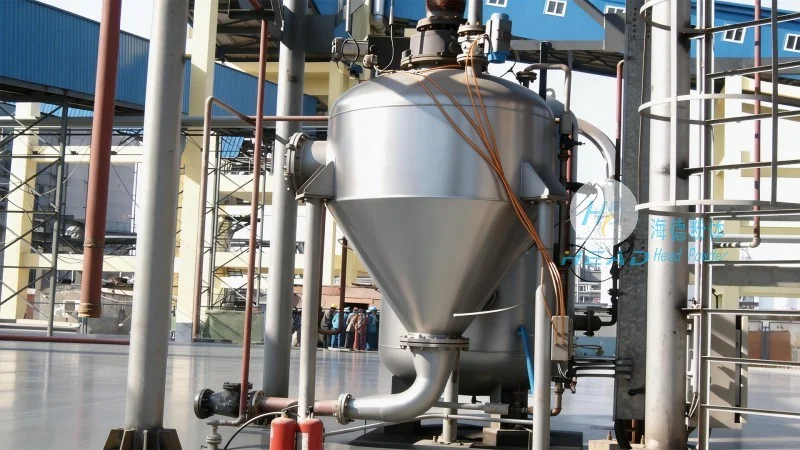
Operation Process of Tonne Bag Quantitative Feeding Pneumatic Conveying
The operation process of the tonne bag quantitative feeding pneumatic conveying system involves several sequential steps, each designed to ensure accurate and efficient material transfer. The process typically begins with the preparation of the tonne bag, followed by the opening of the bag, feeding the material, and conveying it to the processing equipment. Here is a detailed breakdown of the operation process:
1. Bag Preparation and Positioning: The tonne bag is placed on a support frame or a bag stand, ensuring it is stable and properly positioned for opening. The bag is secured to prevent movement during the operation. This step is critical to ensure the bag opening device can access the bag without obstruction.
2. Bag Opening: The bag opening device is activated, cutting or tearing the top of the tonne bag to expose the material inside. The opening is performed carefully to avoid damaging the material or the bag itself. The opening mechanism may include a knife or a cutting blade that moves along the top edge of the bag, or a tearing mechanism that pulls the top of the bag apart.
3. Material Feeding: Once the bag is opened, the quantitative feeder is activated. The feeder measures the required amount of material and releases it into the pneumatic conveying line. The feeder can be adjusted to control the flow rate, ensuring the correct quantity of material is fed at each time. The quantitative feeder may use a screw or a rotary valve to control the material flow, with the speed of the feeder adjusted based on the material characteristics and the required dosing rate.
4. Pneumatic Conveying: The material from the feeder is transported through the pneumatic conveying line by the air flow generated by the blower. The air pressure and flow rate are adjusted to ensure the material moves smoothly and without blockages. The conveying line may include bends, filters, or other components to ensure the material is transported efficiently and without contamination. The material is deposited in the receiver, which is typically a hopper or a tank connected to the processing equipment.
5. System Shutdown and Bag Removal: After the material has been transferred, the system is shut down. The bag opening device is deactivated, and the bag is removed from the support frame. The system is then cleaned and prepared for the next operation. This step ensures that the system is ready for the next batch of material and maintains hygiene and operational efficiency.
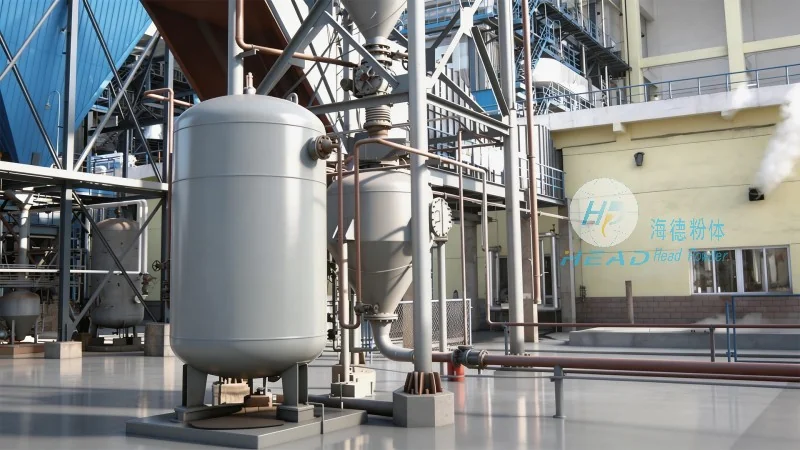
Working Principle of the Tonne Bag Quantitative Feeding System
The working principle of the tonne bag quantitative feeding pneumatic conveying system is based on the principles of fluid dynamics and material handling. The system uses air as the conveying medium to transport bulk materials from the tonne bag to the processing equipment. The key principles involved in the operation include:
1. Pressure Differentiation: The system operates using either positive or negative pressure, depending on the material characteristics and the application requirements. Positive pressure systems use a blower to push air and material through the pipeline, while negative pressure systems use a vacuum to draw material into the pipeline. The pressure differentials ensure that the material moves from the feeder to the receiver without external forces.
2. Material Suspension: The material is suspended in the air stream as it travels through the conveying line. The air flow velocity is maintained above the material's terminal velocity, ensuring that the material remains suspended and does not settle out of the pipeline. This suspension allows for smooth and continuous material transfer, minimizing blockages and ensuring consistent flow rates.
3. Feeder Control: The quantitative feeder controls the amount of material fed into the system, ensuring precise dosing. The feeder uses sensors and feedback mechanisms to adjust the flow rate based on the material characteristics and the required output. This control ensures that the system operates efficiently and maintains the desired material quantity.
4. System Integration: The components of the system are integrated to work together seamlessly. The bag opening device, quantitative feeder, and pneumatic conveying line are all controlled by the system's control unit, which monitors and adjusts the operation based on real-time data. This integration ensures that the system operates safely and efficiently, adapting to changes in material flow or system conditions.
Advantages of Tonne Bag Quantitative Feeding Pneumatic Conveying
The tonne bag quantitative feeding pneumatic conveying system offers several advantages over traditional material handling methods. These advantages make it a preferred choice in industries where precision, efficiency, and hygiene are critical. The key advantages include: