

Operation Process and Working Principle of Cement Dry Powder Pneumatic Conveying System
Cement dry powder pneumatic conveying systems are critical in modern industrial applications, particularly for the efficient and safe transport of bulk materials like cement. Shandong HeadPowder Engineering Co., Ltd., a leading provider of industrial material handling solutions, specializes in designing and manufacturing advanced pneumatic conveying systems tailored for cement and other dry powders. Understanding the operation process and working principle of such systems is essential for optimizing performance and ensuring reliable material handling. This article provides a detailed overview of how these systems function, focusing on the key components, operational steps, and the underlying physics that enable effective pneumatic conveying.
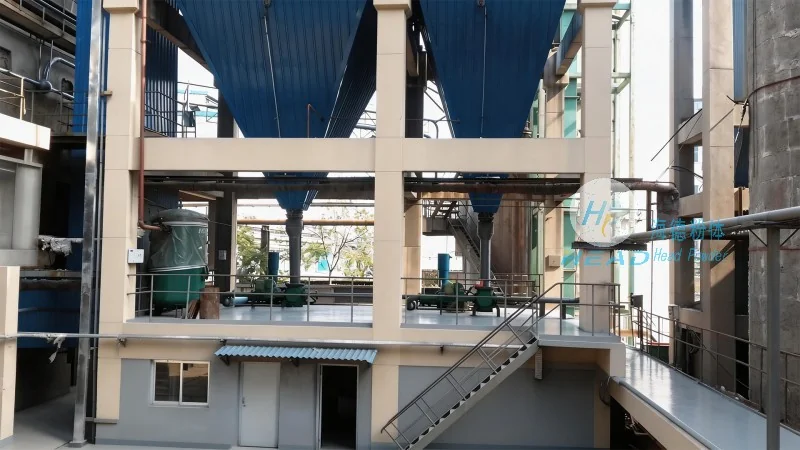
Key Components of a Cement Dry Powder Pneumatic Conveying System
The core components of a cement dry powder pneumatic conveying system include the material hopper, air compressor or blower, conveying line, and discharge equipment. The material hopper stores the cement powder and feeds it into the system. The air compressor generates the necessary air pressure to move the material through the pipeline. The conveying line, typically made of stainless steel or other corrosion-resistant materials, transports the cement from the hopper to the discharge point. Finally, the discharge equipment, such as a rotary valve or a silo, collects the material at the end of the line.
Working Principle of Pneumatic Conveying
Pneumatic conveying operates on the principle of using air to transport solid particles. There are two main types of pneumatic conveying systems: positive pressure and negative pressure. Positive pressure systems use an air compressor to force air and material through the pipeline, while negative pressure systems use a vacuum to draw material into the system. For cement applications, positive pressure systems are more common due to their ability to handle high material loads and maintain consistent flow rates.
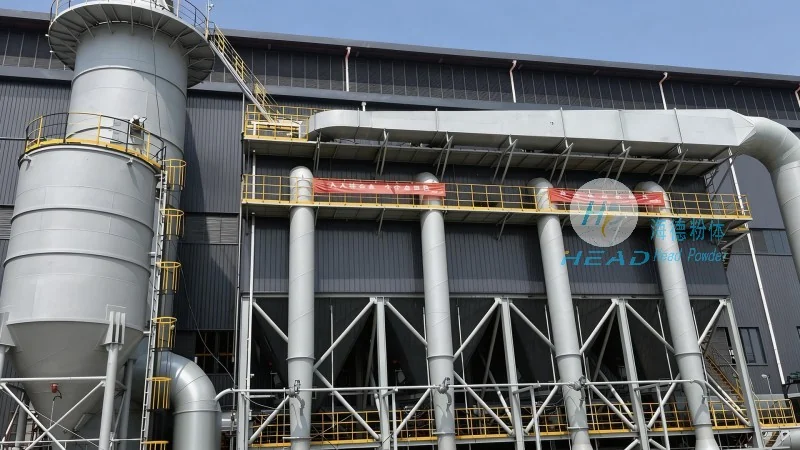
Operation Process of the System
The operation process of a cement dry powder pneumatic conveying system involves several sequential steps. First, the cement powder is loaded into the material hopper. The air compressor then starts, generating the required air pressure. The material is then released from the hopper into the conveying line, where it is mixed with the air stream. The air and material mixture travels through the pipeline to the discharge point. At the discharge end, the material is separated from the air, typically using a cyclone separator or a rotary valve, and collected in the receiving silo. The air is then filtered and returned to the system or vented to the atmosphere.
Advantages of Using Pneumatic Conveying for Cement
Implementing a pneumatic conveying system for cement offers several advantages. It eliminates the need for mechanical components like conveyor belts or buckets, reducing maintenance costs and increasing system reliability. Pneumatic systems also provide a dust-free environment, improving workplace safety and reducing the risk of material contamination. Additionally, these systems can handle high volumes of material with minimal space requirements, making them ideal for industrial settings where space is limited.
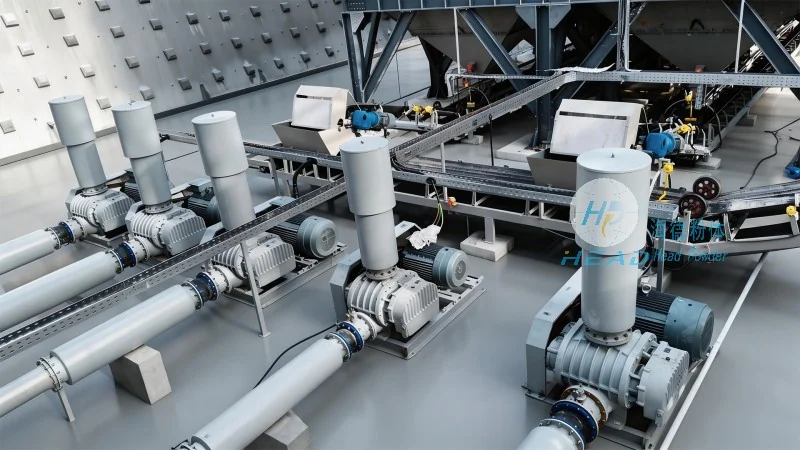
Applications in Cement Production and Handling
Cement dry powder pneumatic conveying systems are widely used in various stages of cement production and handling. They are commonly employed to transport raw materials from storage silos to the grinding mills, to move finished cement from the production line to storage silos, and to transfer cement between different processing units within a plant. The efficiency and flexibility of these systems make them indispensable in modern cement manufacturing processes.
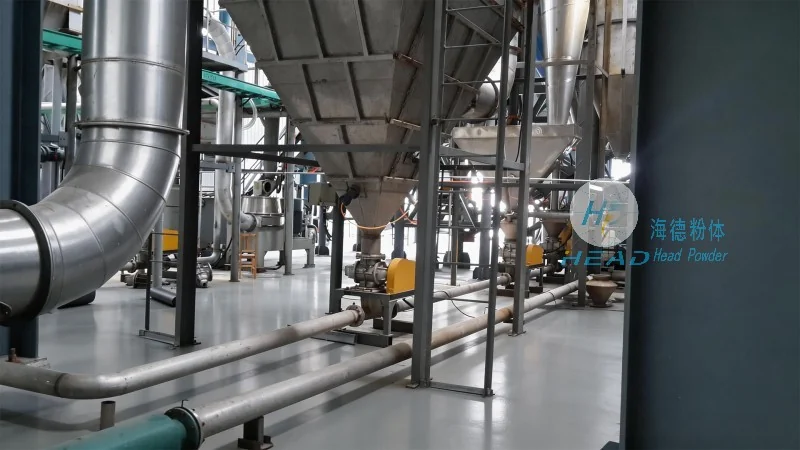
Maintenance and Operational Considerations
To ensure optimal performance and longevity of a cement dry powder pneumatic conveying system, regular maintenance is crucial. This includes checking the air compressor for proper operation, inspecting the conveying line for blockages or wear, and cleaning the filter system to maintain air quality. Additionally, monitoring the material flow rate and pressure levels helps in identifying potential issues early and preventing system downtime. Proper training of operators on the system's operation and safety protocols is also essential for safe and efficient operation.
Conclusion
Cement dry powder pneumatic conveying systems are a highly effective solution for the transport of bulk cement materials. By understanding the operation process and working principle of these systems, industries can optimize their material handling processes, improve efficiency, and enhance workplace safety. With proper maintenance and operational management, such systems provide reliable and cost-effective solutions for cement production and handling, contributing to the overall productivity of cement manufacturing facilities.