

Operation Process and Working Principle of Biomass Pellet Pneumatic Conveying System
Understanding the operation process and working principle of biomass pellet pneumatic conveying systems is crucial for optimizing material handling in various industrial applications. These systems are designed to efficiently transport biomass pellets, such as wood chips, sawdust, or other organic materials, from one location to another using air as the conveying medium. The technology offers significant advantages over traditional mechanical conveying methods, including reduced maintenance costs, improved safety, and enhanced material flow control.
Introduction to Biomass Pellet Pneumatic Conveying Systems
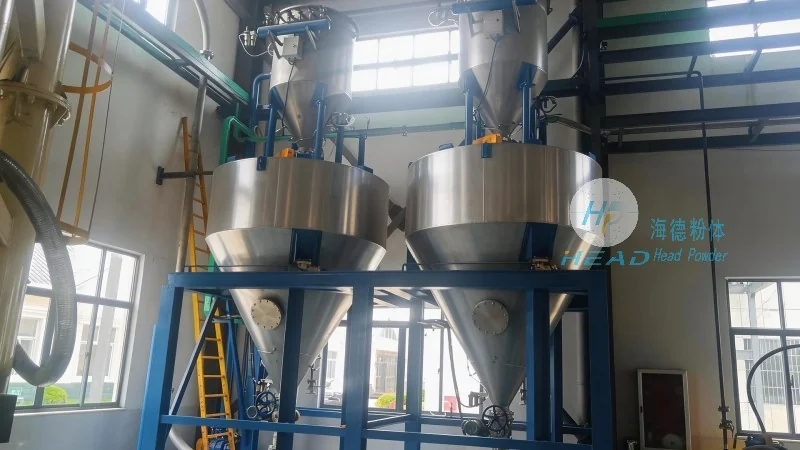
Biomass pellet pneumatic conveying systems are specialized equipment used in industries like biomass energy, agriculture, and forestry. They are engineered to handle bulk materials with precision, ensuring minimal loss and maximum efficiency. The system typically consists of several key components, including a hopper for material storage, a feeder to control the flow rate, a conveying line (usually a pipeline), and a receiver for the discharged material. Each component plays a vital role in the overall operation, working in tandem to achieve seamless material transport.
Company Overview: Shandong HeadPowder Engineering Co., Ltd.
HeadPowder, a leading manufacturer in the field, specializes in the design, development, and installation of advanced pneumatic conveying solutions. With a strong commitment to innovation and quality, the company has established itself as a trusted partner for businesses seeking reliable biomass handling systems. HeadPowder's expertise lies in customizing systems to meet specific operational requirements, ensuring optimal performance and longevity. The company's headquarters is located in Shandong, China, where it leverages local resources and industry knowledge to deliver cutting-edge solutions.
Key Components and Their Functions
The biomass pellet pneumatic conveying system operates through a combination of mechanical and pneumatic elements. The primary components include:
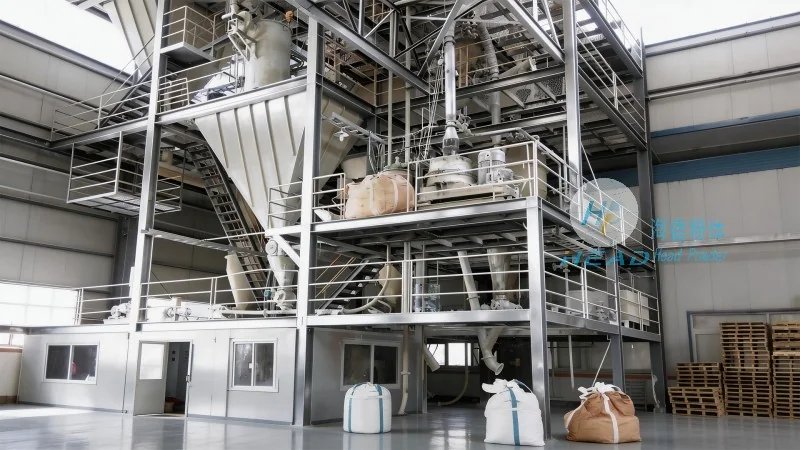
- Hopper: A storage vessel that holds the biomass pellets, providing a consistent feed to the system. It is designed to prevent material degradation and ensure uniform material flow.
- Feeder: A device that regulates the discharge rate of the biomass pellets from the hopper. Common types include screw feeders, rotary valves, or vibratory feeders, which maintain a stable flow rate to avoid overloading the conveying line.
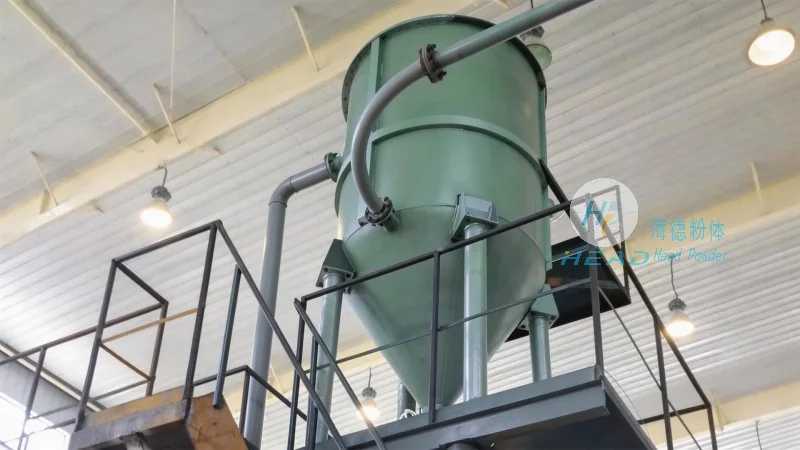
- Conveying Line: The pipeline through which compressed air and biomass pellets are transported. The line is typically made of durable materials like stainless steel or PVC to withstand the abrasive nature of biomass particles and the effects of air pressure.
- Receiver: A container that collects the conveyed biomass pellets at the destination. It is equipped with a discharge valve to control the release of material, ensuring safe and controlled unloading.
- Compressor and Air Treatment System: A source of compressed air that provides the necessary pressure to move the material through the pipeline. The air treatment system filters and dries the air to prevent moisture buildup and material clogging.
Operation Process of the Biomass Pellet Pneumatic Conveying System
The operation of the biomass pellet pneumatic conveying system follows a systematic process, starting with material loading into the hopper. The feeder then controls the flow rate, ensuring a steady supply of pellets into the conveying line. Simultaneously, the compressor generates compressed air, which is introduced into the pipeline at a controlled pressure. The air and pellets are mixed in the conveying line, creating a slurry-like flow that propels the material forward. As the mixture travels through the pipeline, it reaches the receiver, where the air is separated from the pellets. The air is then discharged, and the biomass pellets are collected in the receiver. The process is continuous, with the system maintaining a consistent flow rate as long as the feeder and compressor are operational.
Working Principle of the Pneumatic Conveying System
The working principle of the biomass pellet pneumatic conveying system is based on the principle of fluidization and pneumatic transport. When compressed air is introduced into the conveying line, it creates a low-pressure zone that draws the biomass pellets into the pipeline. The air flow velocity is maintained above the material's terminal velocity, ensuring that the pellets remain suspended and transported efficiently. The system utilizes positive pressure or negative pressure (or a combination of both) to move the material. Positive pressure systems are common for short-distance conveying, where air is blown into the pipeline from the discharge end. Negative pressure systems are used for longer distances or when the material needs to be transported from a higher elevation to a lower one, as the air is drawn from the discharge end to create suction.
Advantages of Biomass Pellet Pneumatic Conveying Systems
Biomass pellet pneumatic conveying systems offer several advantages over traditional mechanical conveying methods. These include:
- Efficiency and Speed: The system allows for rapid material transport, reducing handling time and increasing overall productivity.
- Reduced Maintenance: With fewer moving parts compared to mechanical conveyors, the pneumatic system requires less maintenance, leading to lower operational costs.
- Improved Safety: The enclosed pipeline design minimizes dust exposure and reduces the risk of material spillage, enhancing workplace safety.
- Flexibility in Layout: The system can be easily integrated into existing facilities, with the pipeline layout adaptable to various spatial constraints.
- Low Energy Consumption: Modern pneumatic systems are designed to be energy-efficient, utilizing compressed air effectively to minimize power usage.
Application Scenarios and Customization
Biomass pellet pneumatic conveying systems are widely used in various applications, including biomass power plants, biofuel production facilities, and agricultural processing plants. The systems can be customized to handle different types of biomass pellets, such as wood pellets, corn stalks, or straw, with varying sizes and moisture content. HeadPowder offers tailored solutions that consider the specific material characteristics, conveying distance, and operational requirements of each client. By working closely with clients, the company ensures that the final system meets all performance and safety standards.
Conclusion
Biomass pellet pneumatic conveying systems represent a sophisticated and efficient solution for handling bulk biomass materials. The operation process, which involves material feeding, air compression, and pipeline transport, is designed to maximize throughput while minimizing operational challenges. The working principle, based on pneumatic transport and fluidization, ensures reliable and consistent material movement. With its advantages in efficiency, safety, and flexibility, the system is an ideal choice for industries seeking to optimize their material handling processes. HeadPowder, with its expertise and commitment to quality, continues to provide advanced pneumatic conveying solutions that meet the evolving needs of the biomass industry.