

Operation Process and Working Principle of Stearic Acid Sodium Pneumatic Conveying Equipment
HeadPowder, officially known as Shandong HeadPowder Engineering Co., Ltd., is a professional manufacturer based in Shandong, China. The company specializes in the design, development, and production of advanced pneumatic conveying equipment, including systems for stearic acid sodium, a key chemical in various industrial applications.

Overview of Stearic Acid Sodium Pneumatic Conveying Equipment
Stearic acid sodium, also known as sodium stearate, is a widely used chemical compound in industries such as cosmetics, pharmaceuticals, and food processing. The pneumatic conveying equipment designed for handling this material is engineered to ensure efficient, safe, and reliable transport from storage to processing units. This equipment is particularly valuable for applications where traditional bulk handling methods may pose challenges, such as dealing with fine powders or maintaining product purity.
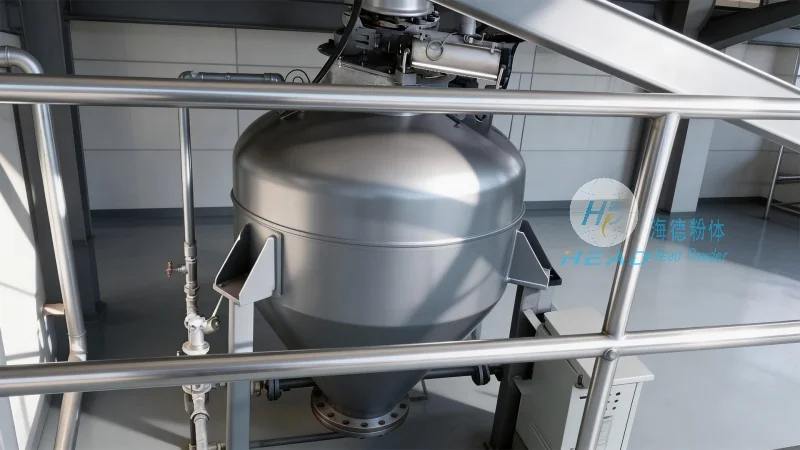
Working Principle of the Pneumatic Conveying System
The operation of the stearic acid sodium pneumatic conveying equipment relies on the principles of pneumatic transport, which involves the use of air or gas to move bulk materials through a pipeline system. The system typically consists of several key components, including a hopper for material storage, a feeder to control the flow rate, a conveying line, and a receiver for the discharged material. The process begins when the material is fed into the hopper. A rotary valve or other feeder mechanism then regulates the flow of stearic acid sodium into the conveying line. Simultaneously, a blower or compressor generates a flow of air, which is introduced into the line to create a low-pressure or high-pressure environment. This airflow carries the material particles through the pipeline, ensuring uniform transport. The receiving hopper at the destination end collects the material as the air is separated and discharged through a filter or cyclone, preventing dust contamination.
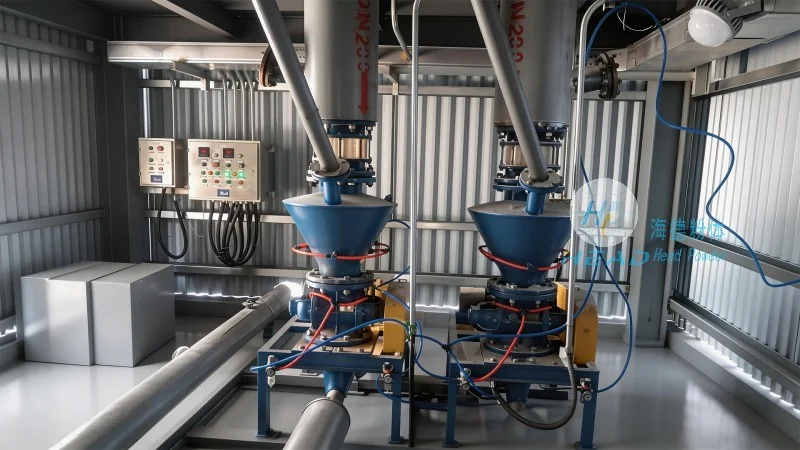
Operation Process of the Equipment
The operation of the stearic acid sodium pneumatic conveying system follows a systematic sequence to ensure optimal performance. Initially, the system is prepared by checking the air pressure, verifying the integrity of the conveying line, and ensuring the hopper is filled with the appropriate material. Once the system is ready, the feeder is activated to start the material flow. The blower then begins to operate, creating the necessary airflow to transport the material. The speed of the feeder and the air pressure are adjusted to maintain a consistent flow rate, preventing issues such as clogging or uneven distribution. During operation, the system continuously monitors key parameters, including pressure, flow rate, and material level in the hoppers. If any abnormalities are detected, the system may automatically adjust or shut down to prevent damage to the equipment or product contamination. The process concludes when the material is fully transferred to the receiving hopper, and the system is then prepared for the next cycle or maintenance.
Advantages of the Pneumatic Conveying Equipment
HeadPowder's stearic acid sodium pneumatic conveying equipment offers several advantages over traditional handling methods. Firstly, it provides a closed system, which helps maintain product purity and prevents contamination from external factors. This is particularly important for sensitive materials like stearic acid sodium, which can degrade or react with moisture or air. Secondly, the equipment ensures efficient and continuous material transport, reducing downtime and increasing productivity. The adjustable flow rates and pressure settings allow for customization to match specific application requirements, ensuring optimal performance in various industrial settings. Additionally, the system is designed for easy maintenance and cleaning, with components that can be easily accessed and serviced. This reduces maintenance costs and ensures long-term reliability. The equipment also minimizes the risk of dust exposure, enhancing workplace safety and compliance with environmental regulations.
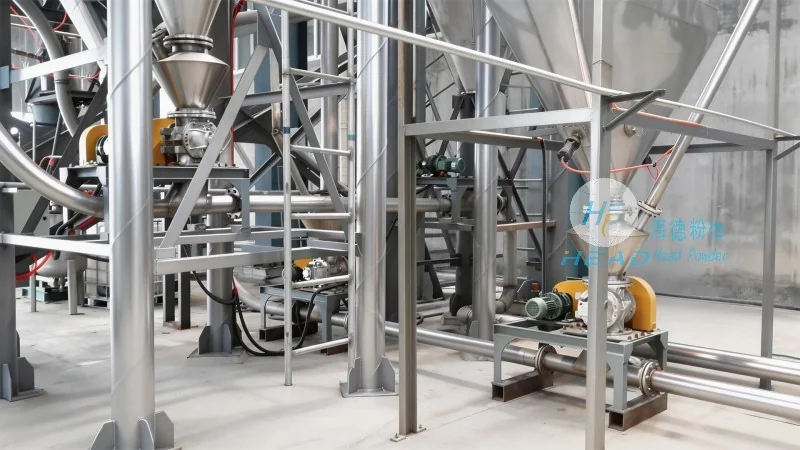
Applications and Industries
The stearic acid sodium pneumatic conveying equipment is widely used in various industries that require the handling of fine powders. In the cosmetics industry, it is used to transport stearic acid sodium for the production of soaps, detergents, and other personal care products. In pharmaceutical manufacturing, the equipment ensures the safe and efficient transport of raw materials used in drug formulations. The food processing industry also benefits from this technology, as it helps maintain the quality and purity of ingredients used in food products. Additionally, the equipment is suitable for applications in chemical manufacturing, where precise control over material flow is critical. Overall, the equipment plays a vital role in improving operational efficiency and product quality in these industries.