

Operation Process and Working Principle of Calcium Oxide Powder Pneumatic Conveying Line
Calcium oxide, commonly known as quicklime, is a vital industrial material utilized across various sectors including construction, chemical manufacturing, and environmental treatment. The efficient and reliable transportation of calcium oxide powder from production sites to processing facilities is critical for maintaining seamless operational workflows. Pneumatic conveying systems have become a preferred solution for handling calcium oxide powder due to their ability to transport powders over extended distances with minimal dust generation and reduced material degradation. This article explores the operation process and working principle of a calcium oxide powder pneumatic conveying line, highlighting the key components, operational steps, and technical aspects that ensure optimal performance.
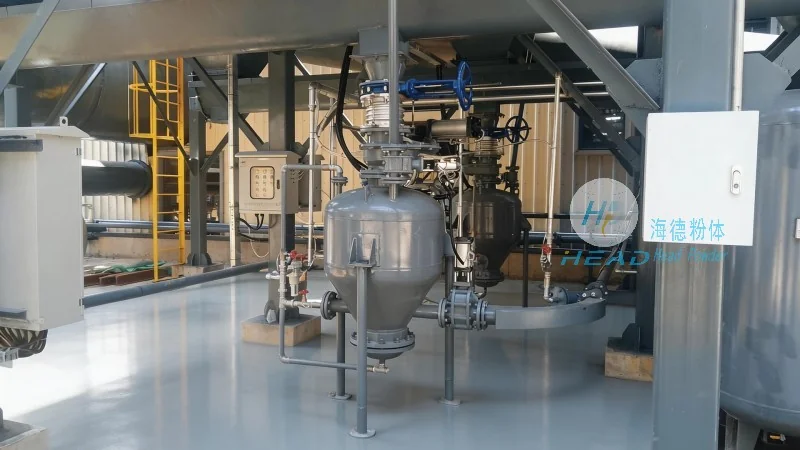
About HeadPowder Engineering
HeadPowder, formally known as Shandong HeadPowder Engineering Co., Ltd., is a leading manufacturer and supplier of advanced material handling solutions. With a strong focus on innovation and quality, HeadPowder specializes in designing and manufacturing pneumatic conveying systems tailored to the specific needs of industrial applications. The company's headquarters is located in Shandong, China, where it leverages its extensive expertise and state-of-the-art technology to deliver high-performance solutions for clients worldwide.
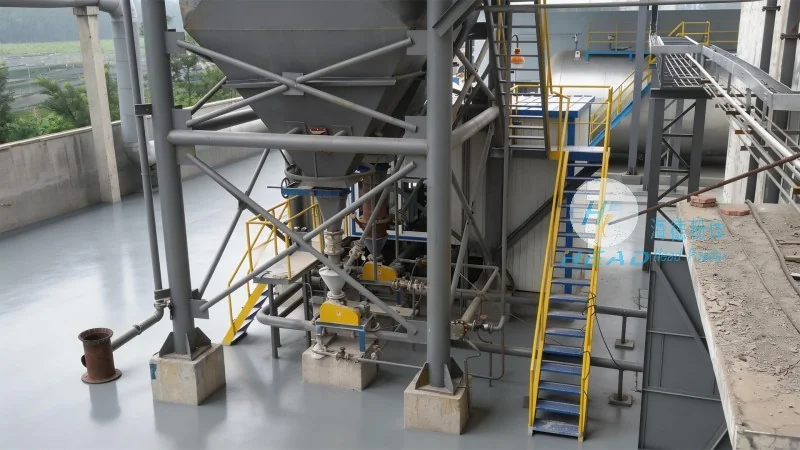
Key Components of the Pneumatic Conveying System
The calcium oxide powder pneumatic conveying line typically comprises several critical components that function in unison to ensure efficient material transport. These components include the material hopper, feeder, air compressor, conveying pipeline, and receiver. The material hopper serves as the storage container for calcium oxide powder, providing a consistent feed to the system. The feeder, often a rotary valve or a screw feeder, regulates the flow of powder into the conveying pipeline. The air compressor generates the necessary air pressure to propel the powder through the pipeline. The conveying pipeline, usually constructed from stainless steel or other corrosion-resistant materials, ensures the safe and efficient transport of the powder. Finally, the receiver collects the conveyed calcium oxide powder, ready for further processing.
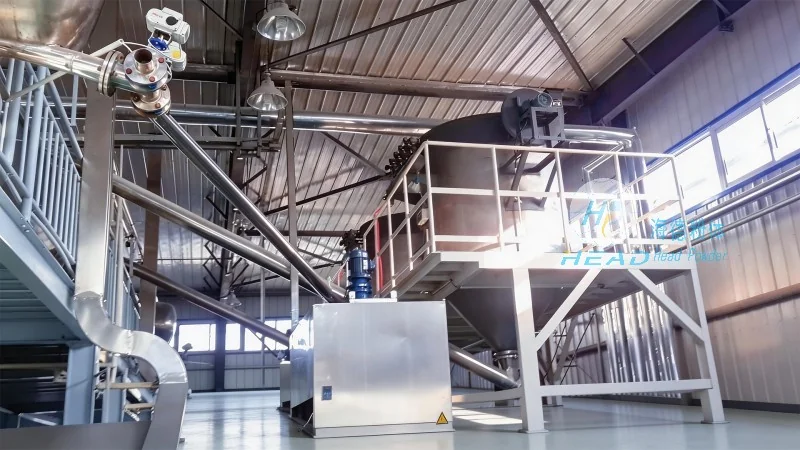
Operation Process of the Pneumatic Conveying Line
The operation of the calcium oxide powder pneumatic conveying line involves a series of sequential steps that ensure the smooth and continuous transport of the material. The process initiates with the loading of calcium oxide powder into the material hopper. The feeder then commences discharging the powder into the conveying pipeline at a controlled rate. Simultaneously, the air compressor supplies compressed air to the pipeline, creating a pressure differential that propels the powder forward. As the powder travels through the pipeline, it is mixed with the air stream, forming a slurry-like mixture that moves toward the receiver. The receiver is designed to separate the powder from the air, typically using a cyclone or a bag filter. The separated powder is collected in the receiver, while the air is either recirculated or discharged to the atmosphere. This continuous cycle ensures that the calcium oxide powder is transported from the source to the destination without interruption.
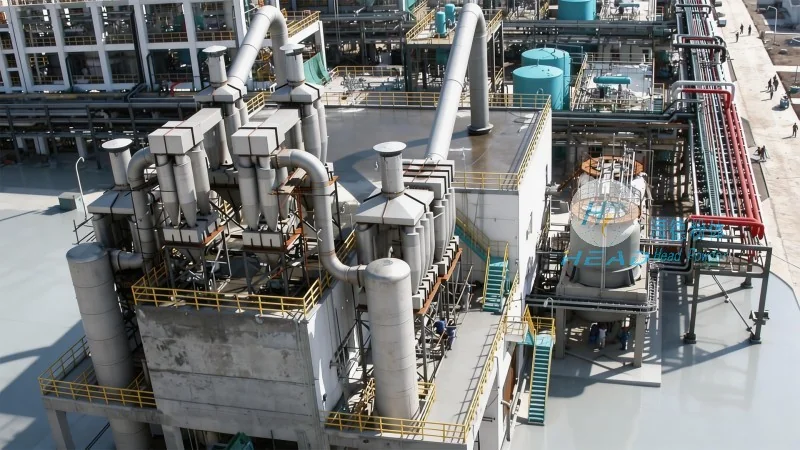
Working Principle of the Pneumatic Conveying System
The working principle of the calcium oxide powder pneumatic conveying line is based on the principles of fluid dynamics and particle transport. The system operates by utilizing compressed air to create a pressure gradient that drives the movement of the powder particles. The key to efficient conveying is maintaining a consistent air flow rate and pressure, which ensures that the powder particles are fully entrained by the air stream. The size and density of the calcium oxide powder particles play a crucial role in determining the optimal conveying velocity and air pressure required. HeadPowder's engineers meticulously design the system parameters, such as the pipeline diameter, length, and inclination, to achieve the desired conveying efficiency while minimizing energy consumption and material degradation. The use of corrosion-resistant materials in the pipeline and components is essential to prevent the degradation of calcium oxide powder, which can occur due to chemical reactions with moisture or other substances.