

Operation Process and Working Principle of a Manganese Carbonate Pneumatic Conveyor
For industrial applications involving the handling of manganese carbonate, efficient and reliable material transport is crucial. The pneumatic conveyor system, specifically designed for this purpose, offers a solution that combines performance with operational simplicity. This article explores the operation process and working principles of a manganese carbonate pneumatic conveyor, highlighting its key components and the step-by-step procedures involved in its functionality.
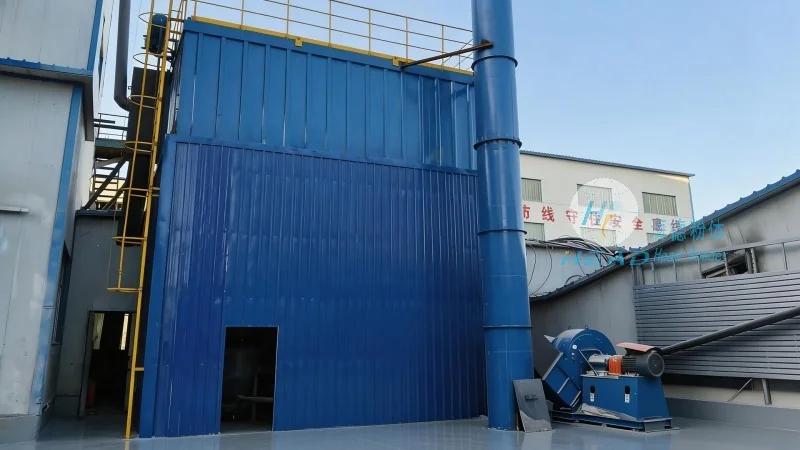
Introduction to Manganese Carbonate Pneumatic Conveyors
Manganese carbonate is a chemical compound commonly used in various industrial processes, including battery manufacturing, steel production, and chemical synthesis. When handling this material, traditional methods such as belt conveyors or bucket elevators may not always be suitable due to the material's properties, such as dust generation or the need for gentle handling. A pneumatic conveyor provides an alternative that ensures safe and efficient transport while minimizing environmental impact.
Key Components of the Pneumatic Conveyor System
The pneumatic conveyor for manganese carbonate typically consists of several essential components that work in tandem to facilitate material transport. These components include a hopper for material storage, a rotary valve or feeder to control the flow of material, a pipeline system for conveying the material, a blower or air compressor to generate the necessary airflow, and a collection bin or discharge unit. Each component plays a critical role in the overall operation of the system.
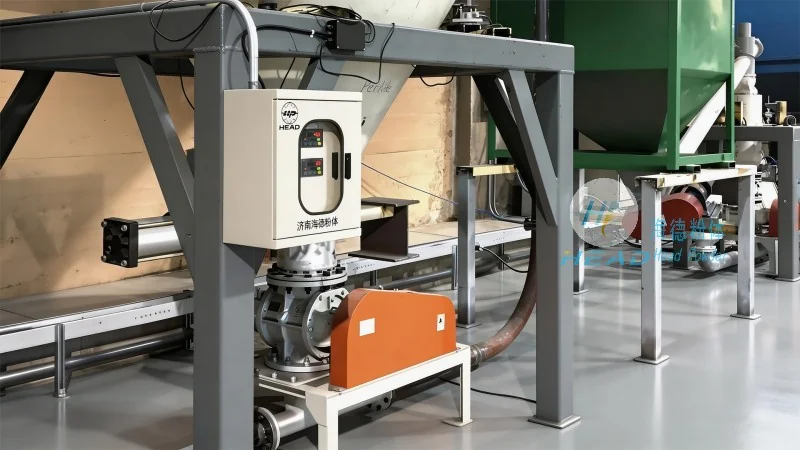
The Working Principle of the Pneumatic Conveyor
The operation of a manganese carbonate pneumatic conveyor is based on the principle of air suspension and transportation. The process begins with the material being fed into the hopper from a storage silo or bulk container. The rotary valve or feeder then regulates the flow of material into the pipeline, ensuring a consistent and controlled feed rate. Simultaneously, the blower generates a high-velocity airflow that travels through the pipeline, creating a pressure differential that lifts and transports the material particles along with the air stream.
As the material is carried by the air, it moves through the pipeline to the discharge point, where it is collected in a designated bin or container. The air, now carrying the material, continues to the collection or filtration system, where the material is separated from the air and returned to the system for recycling or disposal. This continuous cycle ensures efficient material transport while maintaining the integrity of the material and minimizing dust emissions.
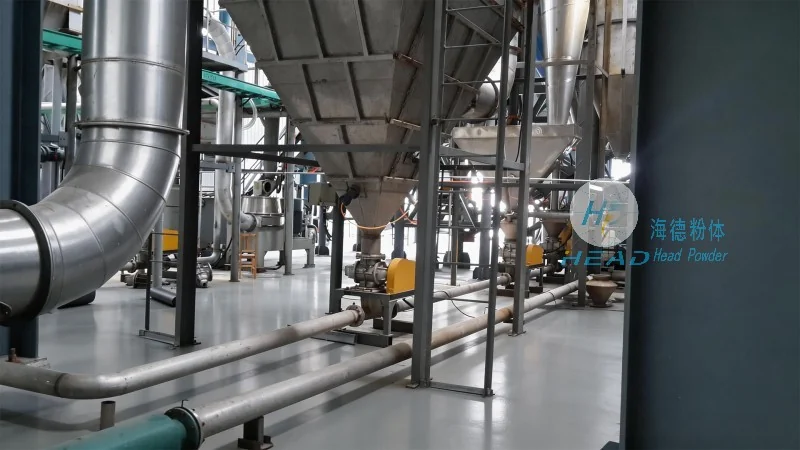
Operation Process: Step-by-Step Guide
The operation of the manganese carbonate pneumatic conveyor follows a systematic process that ensures optimal performance and safety. The following steps outline the typical operation sequence:
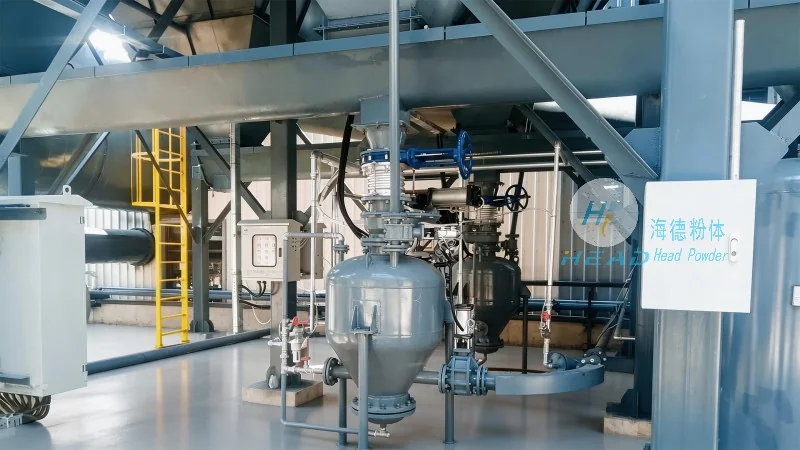
- Material Loading: The hopper is filled with manganese carbonate from the bulk storage area. The material is stored in a dry, well-ventilated environment to prevent moisture accumulation, which could affect the material's properties.
- Feeder Activation: The rotary valve or feeder is activated to control the flow of material from the hopper into the pipeline. The feeder adjusts the feed rate based on the system's requirements, ensuring a steady supply of material.
- Air Compression: The blower or air compressor is started, generating the necessary airflow to create the pressure differential required for material transport. The airflow velocity is carefully controlled to match the material's characteristics and prevent material degradation.
- Material Transport: The material particles are suspended in the air stream and transported through the pipeline to the discharge point. The pipeline design, including bends and fittings, is optimized to minimize pressure loss and maintain the material's velocity.
- Discharge and Collection: At the discharge end, the material is collected in a bin or container. The air, now carrying the material, is directed to a filtration system where the material is separated from the air and returned to the system for recycling. The clean air is then released back into the environment.
- System Monitoring: Throughout the operation, the system is monitored for pressure, airflow, and material flow rates. Sensors and control systems ensure that the conveyor operates within safe and efficient parameters, allowing for adjustments as needed to maintain optimal performance.
Advantages of Using a Manganese Carbonate Pneumatic Conveyor
Implementing a pneumatic conveyor for manganese carbonate handling offers several advantages over traditional methods. These benefits include:
- Efficient Material Transport: The system provides a continuous and reliable method of transporting material over long distances without the need for multiple transfer points.
- Reduced Dust and Contamination: The enclosed pipeline system minimizes dust generation and exposure, improving workplace safety and reducing environmental impact.
- Gentle Material Handling: The air suspension method ensures that the material is handled gently, preventing breakage or degradation, which is particularly important for delicate or sensitive materials like manganese carbonate.
- Space Efficiency: The compact design of the pneumatic conveyor allows for installation in limited spaces, making it suitable for facilities with restricted floor plans.
- Low Maintenance Requirements: With fewer moving parts compared to traditional conveyors, the pneumatic system requires less maintenance, reducing downtime and operational costs.
Conclusion
The operation of a manganese carbonate pneumatic conveyor is a sophisticated process that combines mechanical and pneumatic principles to achieve efficient material transport. By understanding the key components and step-by-step operation, users can optimize the system for their specific industrial needs. The advantages of this technology, including improved safety, reduced environmental impact, and enhanced material handling, make it a preferred choice for many applications involving manganese carbonate. As a leading manufacturer in this field, Shandong HeadPowder Engineering Co., Ltd. specializes in providing high-quality pneumatic conveyor systems tailored to meet the diverse requirements of industrial clients.