

Operation Process and Working Principle of Monosodium Glutamate Pneumatic Conveying System Equipment
Monosodium glutamate (MSG) is a widely used flavor enhancer in the food industry, and the efficient handling of this product requires specialized equipment. The pneumatic conveying system is a critical component in the production and processing lines of MSG manufacturers. This article provides an in-depth look at the operation process and working principle of the equipment used for MSG pneumatic conveying, highlighting the technical aspects and operational efficiency.
Introduction to Pneumatic Conveying Systems for MSG
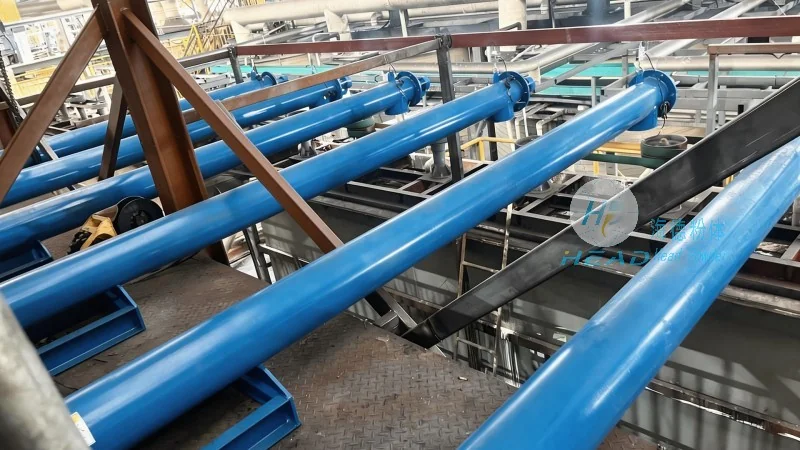
The pneumatic conveying system for monosodium glutamate is designed to transport the powder from one location to another within a production facility. This system utilizes air or gas as the conveying medium to move the MSG particles through a pipeline network. The technology offers several advantages over traditional methods like bucket elevators or belt conveyors, including reduced dust generation, lower maintenance costs, and the ability to handle materials in a closed system, which is crucial for maintaining product quality and hygiene standards.
Key Components of the Pneumatic Conveying System
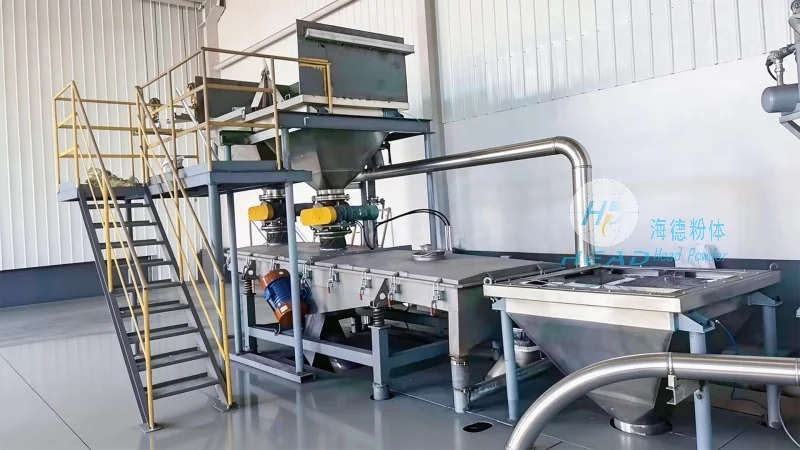
The operation of a pneumatic conveying system for MSG involves several key components that work in tandem to ensure smooth and efficient material transport. These components include the hopper, feeder, air compressor, conveying line, and receiver. Each component plays a vital role in the overall process. The hopper serves as the storage container for the MSG, providing a consistent feed to the system. The feeder, typically a rotary valve or a screw feeder, regulates the flow of the powder into the conveying line. The air compressor generates the necessary pressure or vacuum to move the material through the pipeline. The conveying line, made of stainless steel or other corrosion-resistant materials, ensures the material is transported without contamination. Finally, the receiver collects the conveyed MSG at the destination point.
The Working Principle of the Pneumatic Conveying Process
The working principle of the pneumatic conveying system for monosodium glutamate is based on the principle of fluidization and suspension of the powder particles in the conveying medium. There are two main types of pneumatic conveying systems: pressure and vacuum systems. In a pressure system, the air compressor supplies compressed air to the hopper, creating a positive pressure that pushes the MSG particles through the pipeline. The particles are suspended in the air stream and travel to the receiver. In a vacuum system, a vacuum pump creates a negative pressure at the receiver end, drawing the MSG particles from the hopper through the pipeline. The choice between pressure and vacuum systems depends on the distance and the volume of material to be conveyed.
Operation Process of the MSG Pneumatic Conveying Equipment
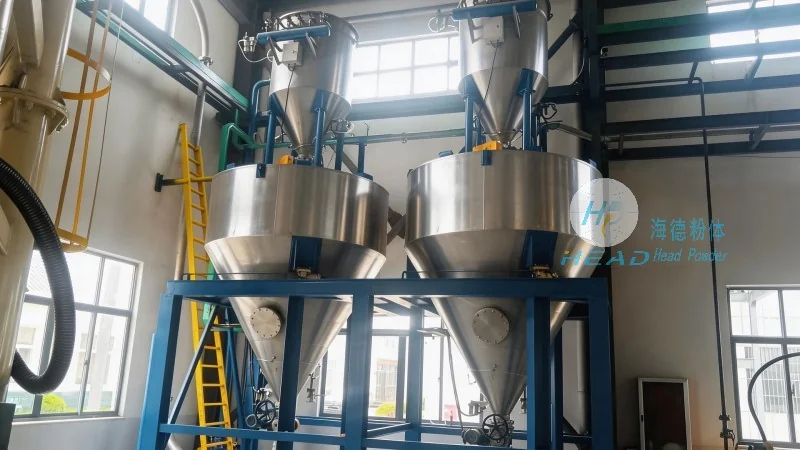
The operation process of the MSG pneumatic conveying equipment begins with the loading of the MSG into the hopper. The feeder then starts to discharge the powder at a controlled rate. The air compressor is activated, and the conveying line is pressurized or evacuated as per the system design. The MSG particles are then transported through the pipeline to the receiver. The process continues until the desired amount of material is transferred. The system is equipped with sensors and controls to monitor the flow rate, pressure, and other parameters, ensuring that the operation is stable and efficient. The equipment is designed to handle the specific characteristics of monosodium glutamate, such as its fine particle size and hygroscopic nature, to prevent caking or agglomeration during transport.
Benefits and Applications of the Pneumatic Conveying System
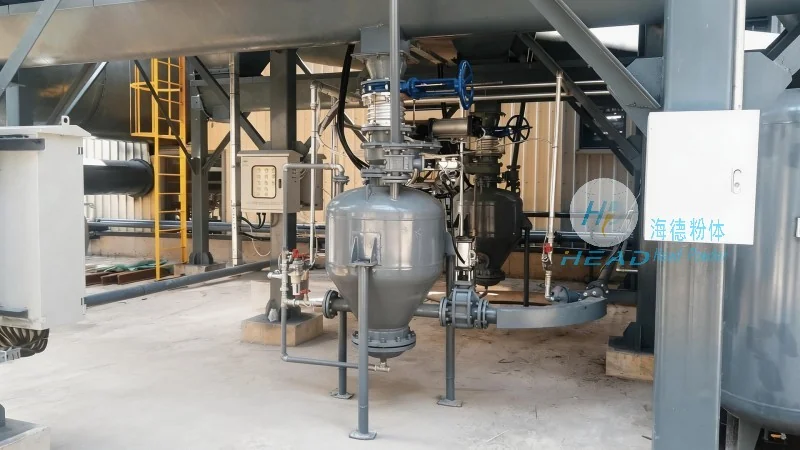
The pneumatic conveying system for monosodium glutamate offers several benefits that make it an ideal choice for food processing facilities. These benefits include improved product quality through reduced exposure to air and moisture, enhanced safety due to the closed system, and increased operational efficiency with lower labor costs. The system is also versatile and can be integrated into existing production lines, making it a cost-effective solution for MSG manufacturers. The applications of this system range from transferring MSG from storage silos to processing equipment, to moving the finished product to packaging lines. The system can handle large volumes of material with minimal downtime, ensuring that the production process remains uninterrupted.
Conclusion and Company Overview
Understanding the operation process and working principle of the monosodium glutamate pneumatic conveying system is essential for optimizing the production and processing of this important food ingredient. The system's efficiency and reliability depend on the proper design and maintenance of its components. As a leading manufacturer of such equipment, Shandong HeadPowder Engineering Co., Ltd. specializes in providing high-quality pneumatic conveying systems tailored to the specific needs of MSG manufacturers. With a focus on innovation and customer satisfaction, the company ensures that its equipment meets the highest standards of performance and safety. Based in Shandong, China, HeadPowder has established itself as a trusted partner in the food processing industry, delivering solutions that enhance operational efficiency and product quality.