

Operation Process and Working Principle of ABS Granule Pneumatic Conveying System Equipment
HeadPowder, a leading manufacturer based in Shandong, China, specializes in providing advanced pneumatic conveying solutions for various industrial applications. The company's ABS granule pneumatic conveying system is designed to efficiently transport ABS (Acrylonitrile Butadiene Styrene) granules, a widely used thermoplastic material, with precision and reliability. This system is engineered to meet the demands of modern manufacturing processes, ensuring smooth material handling and consistent performance in production lines.
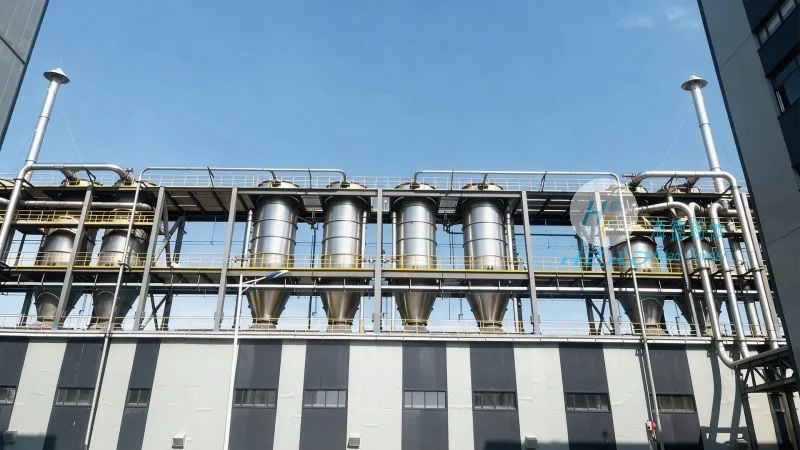
Company Overview and Expertise
Shandong HeadPowder Engineering Co., Ltd., operating under the brand name HeadPowder, has established itself as a trusted provider of industrial conveying equipment. With a strong commitment to innovation and quality, the company leverages years of experience in the field to develop cutting-edge solutions tailored to specific customer needs. HeadPowder's team of engineers and technicians work closely with clients to understand their operational requirements, ensuring that the ABS granule pneumatic conveying system is optimized for efficiency, durability, and cost-effectiveness. The company's facilities in Shandong, China, are equipped with state-of-the-art technology and stringent quality control measures, enabling the production of high-performance equipment that meets international standards.
Understanding the ABS Granule Pneumatic Conveying System
The ABS granule pneumatic conveying system is a sophisticated piece of equipment that utilizes air pressure to transport granular materials. It is particularly suitable for handling ABS granules, which are commonly used in the production of plastic products, automotive components, and consumer goods. The system is designed to maintain the integrity of the granules during transport, preventing degradation or contamination that could affect the quality of the final product. By employing a combination of air flow and pressure control, the system ensures that the material is moved smoothly and efficiently from the source to the destination, minimizing downtime and maximizing productivity.
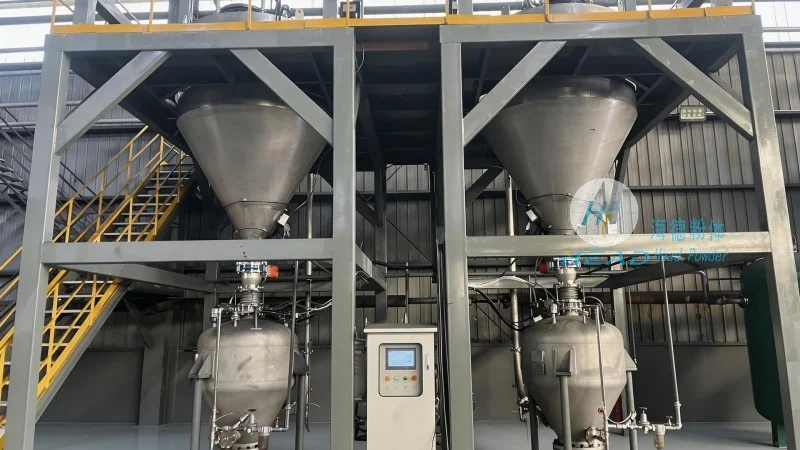
Key Components and Their Functions
The ABS granule pneumatic conveying system consists of several key components, each playing a crucial role in the overall operation. These components include the hopper, which stores the ABS granules; the air compressor, which generates the necessary air pressure; the conveying line, which transports the material; and the control system, which regulates the flow and pressure. The hopper is designed to hold a sufficient quantity of granules, ensuring a continuous supply to the system. The air compressor provides the driving force, creating the pressure differential required to move the material through the conveying line. The conveying line, typically made of durable materials such as stainless steel or PVC, is designed to withstand the pressure and abrasion from the granules. The control system, equipped with sensors and valves, monitors and adjusts the air flow and pressure to maintain optimal conveying conditions.
Operation Process of the ABS Granule Pneumatic Conveying System
The operation of the ABS granule pneumatic conveying system involves several steps, each carefully controlled to ensure efficient and safe material transport. The process begins with the loading of ABS granules into the hopper. The granules are then fed into the conveying line through an airlock or feeder, which prevents the material from escaping and ensures a consistent flow. The air compressor then starts, generating the required air pressure. As the air flows through the conveying line, it picks up the granules and transports them to the destination point, such as a storage silo or processing machine. The control system continuously monitors the pressure and flow rates, adjusting them as needed to maintain the desired conveying speed. The system operates in a closed loop, with the air being filtered and recycled to minimize energy consumption and environmental impact.
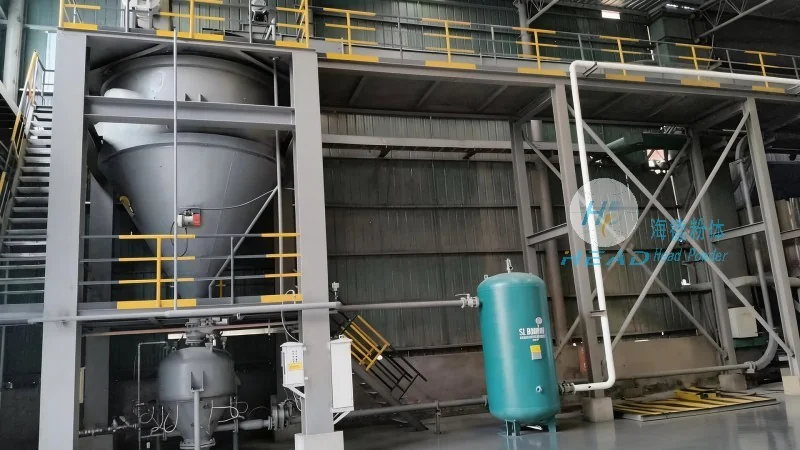
Working Principle of the Pneumatic Conveying System
The working principle of the ABS granule pneumatic conveying system is based on the principle of fluidization and air pressure. The system uses compressed air to create a flow that lifts and moves the granules through the conveying line. The air pressure is maintained at a level that is sufficient to overcome the gravitational force acting on the granules, allowing them to be transported without the need for mechanical conveyors such as belts or buckets. The system operates in two main modes: dilute phase and dense phase. In the dilute phase, the granules are suspended in the air stream, moving at a relatively high velocity. In the dense phase, the granules are conveyed in a more compact form, with lower air velocity, which is suitable for longer distances or when handling more abrasive materials. The choice of mode depends on the specific requirements of the application, such as the distance to be covered, the material characteristics, and the desired flow rate.
Advantages of the ABS Granule Pneumatic Conveying System
HeadPowder's ABS granule pneumatic conveying system offers several advantages over traditional mechanical conveying methods. One of the key benefits is the ability to transport materials in a closed system, which prevents contamination from dust, moisture, or other external factors. This is particularly important for ABS granules, which are sensitive to environmental conditions and can degrade if exposed to air or moisture. The system also reduces the risk of product contamination, as the material is not in direct contact with the conveying equipment. Another advantage is the high efficiency and speed of material transport, which can significantly reduce production time and increase output. The system is also compact and space-saving, making it suitable for installations with limited floor space. Additionally, the system is easy to maintain and operate, with minimal downtime required for maintenance. The use of advanced control systems allows for precise monitoring and adjustment of the conveying parameters, ensuring optimal performance and reliability.
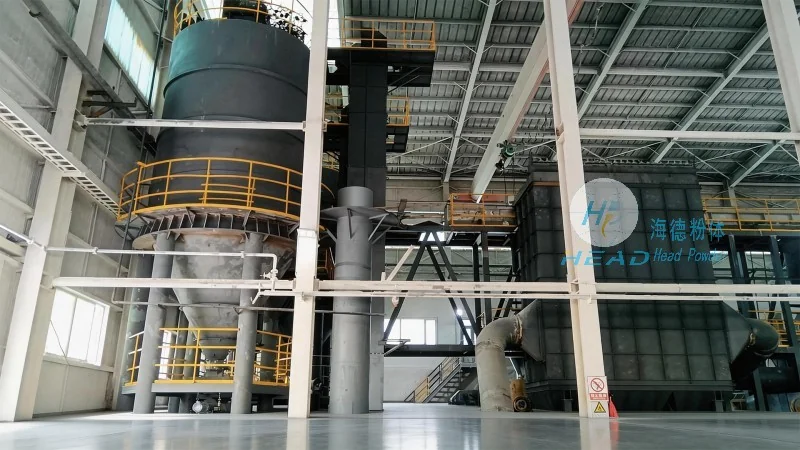
Applications and Industries
The ABS granule pneumatic conveying system is widely used in various industries that require the efficient handling of plastic granules. Some of the key applications include the automotive industry, where ABS is used to manufacture interior and exterior components such as bumpers, dashboards, and door handles. The system is also used in the electronics industry, where ABS is used to produce housings and casings for electronic devices. In the consumer goods industry, ABS is used to manufacture household items such as toys, appliances, and packaging materials. The system is also suitable for other industries that require the transport of granular materials, such as the chemical and pharmaceutical industries. HeadPowder's ABS granule pneumatic conveying system is designed to meet the specific needs of these industries, providing reliable and efficient material handling solutions.
Conclusion and Contact Information
HeadPowder's ABS granule pneumatic conveying system is a high-performance solution for the efficient and reliable transport of ABS granules. With its advanced design, robust construction, and precise control systems, the system offers significant advantages over traditional conveying methods. The company's commitment to quality and customer satisfaction ensures that clients receive equipment that meets their specific requirements and delivers long-term value. For more information about HeadPowder's ABS granule pneumatic conveying system, please contact our team at Shandong HeadPowder Engineering Co., Ltd., located in Shandong, China.