

Operation Process and Working Principle of Ammonium Nitrate Powder Conveying
Ammonium nitrate is a widely used chemical compound, often in the form of a fine powder, which requires efficient and reliable conveying systems for various industrial applications. The process of transporting this powder involves several key components and operational steps, each designed to ensure safe and effective material handling. This article provides an in-depth look at the operation process and working principle of ammonium nitrate powder conveying systems, highlighting the technical aspects and practical considerations for optimal performance.
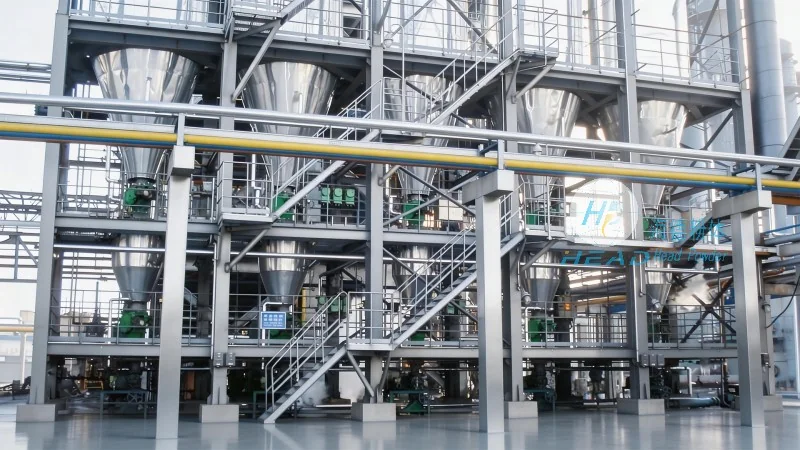
Overview of Ammonium Nitrate Powder Conveying Systems
Ammonium nitrate powder conveying systems are engineered to handle the unique properties of this chemical, including its fine particle size, potential for static electricity, and sensitivity to moisture. The primary goal is to move the powder from a storage or processing point to a destination such as a mixer, storage silo, or packaging unit. These systems typically consist of components like hoppers, feeders, conveyors, and control mechanisms, all working in concert to maintain a consistent flow and prevent issues like clogging or material degradation.
Key Components and Their Functions
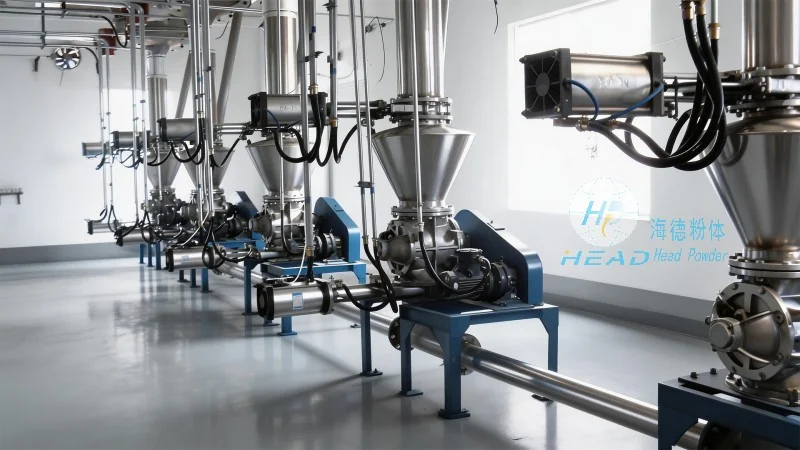
The success of an ammonium nitrate powder conveying system relies on the proper integration and operation of several critical components. The hopper serves as the initial collection point, where the powder is stored before being fed into the system. It is designed with smooth, sloped walls to minimize the risk of material bridging or agglomeration, which can impede flow. The feeder, often a rotary valve or a screw feeder, regulates the flow rate of the powder from the hopper to the conveyor. This component is crucial for maintaining a steady and controlled discharge, preventing overloading or underloading of the conveyor. The conveyor itself, which may be a pneumatic system or a mechanical conveyor like a belt or screw conveyor, transports the powder through the system. Pneumatic conveying systems use air pressure to move the powder, while mechanical systems rely on mechanical force. Both types are used depending on the specific application and material characteristics.
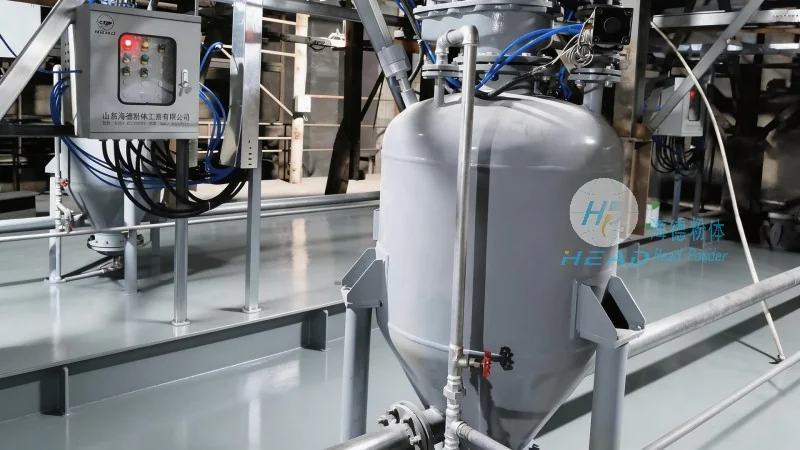
Operation Process: Step-by-Step
The operation process of an ammonium nitrate powder conveying system begins with the loading of the hopper. The powder is typically loaded from a storage silo or a bulk container into the hopper using a loading system such as a screw conveyor or a pneumatic loader. Once the hopper is filled, the feeder starts to regulate the flow of powder into the conveyor. The conveyor then transports the powder to the discharge point, which may be a storage silo, a processing unit, or a packaging station. Throughout this process, the system is monitored by control mechanisms that adjust the flow rate, pressure, or speed as needed to maintain optimal performance. For example, if the flow rate decreases due to clogging, the control system may increase the air pressure or adjust the feeder speed to restore the desired flow. The entire process is designed to be continuous and efficient, minimizing downtime and ensuring consistent material delivery.
Working Principle: How It Works
The working principle of ammonium nitrate powder conveying systems is based on the physical properties of the material and the principles of fluid dynamics or mechanical force. In pneumatic conveying systems, the powder is suspended in a stream of air and transported through a pipeline. The air pressure creates a flow that moves the powder particles, while the pipeline design ensures that the material remains in suspension and does not settle out. The velocity of the air and the size of the particles determine the efficiency of the conveying process. In mechanical conveying systems, such as screw or belt conveyors, the powder is moved by the mechanical action of the conveyor. The screw conveyor uses a rotating screw to push the powder forward, while the belt conveyor uses a moving belt to transport the material. The speed of the conveyor and the pitch of the screw or the belt determine the flow rate. Both systems rely on the friction between the material and the conveyor surface or the air to move the powder, and proper maintenance is essential to prevent wear and tear and ensure long-term performance.
Safety and Maintenance Considerations
Due to the potential hazards associated with ammonium nitrate, such as its sensitivity to impact and friction, which can lead to explosion risks, safety is a paramount concern in the operation of powder conveying systems. Proper grounding and bonding of the equipment are essential to prevent static electricity buildup, which can cause sparks and ignite the powder. Regular maintenance is also critical to ensure the system operates safely and efficiently. This includes checking for wear and tear on components like the feeder and conveyor, cleaning the system to remove accumulated powder, and inspecting the hopper and pipeline for signs of clogging or damage. By following proper safety protocols and maintenance procedures, the risk of accidents and system failures can be minimized, ensuring the reliable operation of the ammonium nitrate powder conveying system.
Conclusion
In summary, the operation process and working principle of ammonium nitrate powder conveying systems involve a combination of mechanical and pneumatic components working together to transport the fine powder safely and efficiently. The key to successful operation lies in the proper design and maintenance of the system, as well as adherence to safety guidelines. By understanding the technical aspects and operational steps of these systems, industrial facilities can ensure the reliable handling of ammonium nitrate and meet the demands of their production processes. The expertise of companies like Shandong HeadPowder Engineering Co., Ltd., with their focus on engineering solutions tailored to the unique needs of powder handling, plays a crucial role in optimizing these systems for various applications.