

Operation Process and Working Principle of Buckwheat Hull Powder Conveying Line
For industries dealing with buckwheat hull powder, an efficient and reliable conveying line is crucial for maintaining production efficiency and product quality. This article provides a detailed overview of the operation process and working principle of the buckwheat hull powder conveying line, highlighting the key components and mechanisms that ensure smooth material handling.
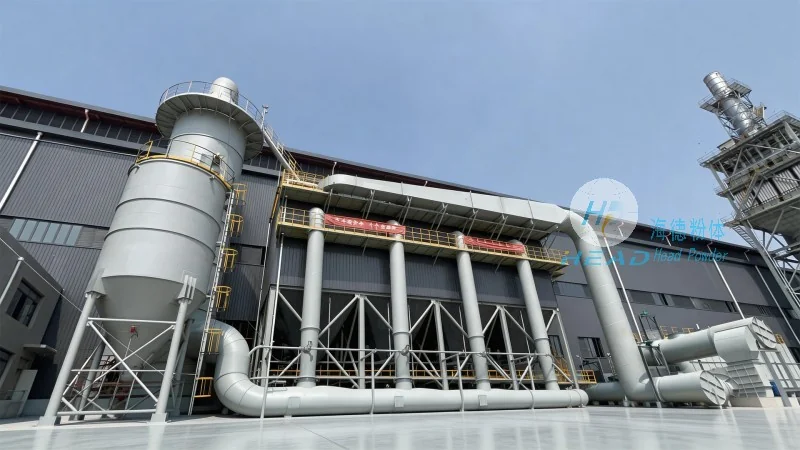
System Overview: Key Components of the Buckwheat Hull Powder Conveying Line
The buckwheat hull powder conveying line is a specialized system designed to transport buckwheat hull powder from storage silos or processing units to downstream equipment such as packaging machines or processing units. The system typically consists of several critical components, including feeders, conveyors, control systems, and safety devices. Each component plays a vital role in ensuring the safe and efficient transfer of the powder.
HeadPowder, a leading manufacturer in the field, has developed this conveying line with a focus on durability, efficiency, and adaptability to various production environments. The system is engineered to handle the unique properties of buckwheat hull powder, such as its light weight, fine particle size, and potential for static electricity, which can pose challenges in traditional conveying systems.
Working Principle: How the Conveying Line Transfers Buckwheat Hull Powder
The operation of the buckwheat hull powder conveying line is based on a combination of mechanical and pneumatic principles. The process begins with the powder being discharged from a storage silo or hopper into a feeder. The feeder, often a rotary valve or a screw feeder, regulates the flow rate of the powder to ensure a consistent and controlled feed to the conveyor.
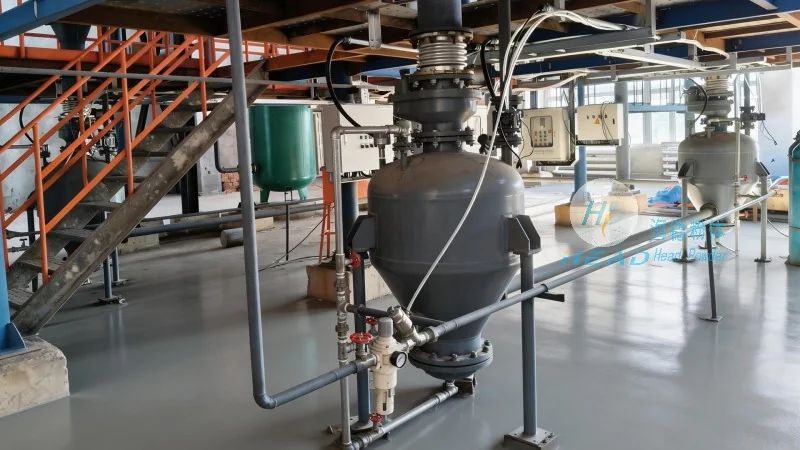
Once the powder enters the conveyor, it is transported through a pipeline or a series of connected components. The most common type of conveyor used in this application is the pneumatic conveyor, which utilizes compressed air to move the powder. The air is introduced into the pipeline at a controlled pressure, creating a flow that carries the powder particles along the path of the conveyor. This method is particularly effective for handling fine powders like buckwheat hull, as it minimizes product degradation and reduces the risk of blockages.
In addition to pneumatic conveyors, some systems may incorporate mechanical conveyors, such as belt conveyors or bucket elevators, especially for longer horizontal or vertical transport distances. These mechanical components work in conjunction with the pneumatic system to ensure the powder is transported efficiently and safely.
Operation Process: Step-by-Step Guide to Running the Conveying Line
The operation of the buckwheat hull powder conveying line involves several sequential steps that must be followed to ensure optimal performance. The process starts with the preparation phase, where the storage silo is filled with buckwheat hull powder and the system is checked for any potential issues, such as blockages or leaks.
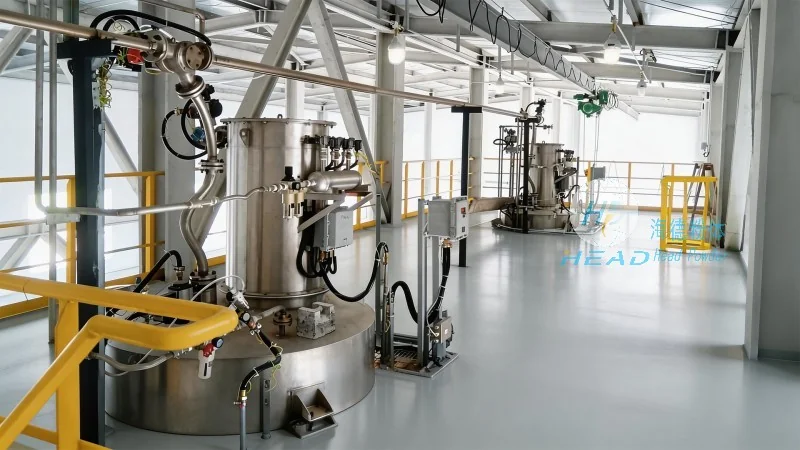
Next, the system is started by activating the control panel. The feeder is activated first, followed by the conveyor system. The control system monitors the flow rate and pressure of the air, adjusting them as needed to maintain a stable and consistent transfer of the powder. Operators can adjust the settings to accommodate variations in powder volume or to optimize energy consumption.
During operation, the system continuously transports the powder from the storage area to the processing or packaging area. The conveyor system ensures that the powder is moved at a steady rate, preventing overloading or underloading of downstream equipment. The control system also includes safety features, such as pressure relief valves and emergency stop buttons, to protect the system and operators from potential hazards.
At the end of the transfer process, the powder is discharged into the receiving hopper or directly into the processing equipment. The system then returns to a standby mode until the next batch of powder is ready to be transferred. This cycle repeats continuously, ensuring a steady supply of buckwheat hull powder to the production line.
Technical Advantages and Benefits of the Buckwheat Hull Powder Conveying Line
The buckwheat hull powder conveying line offers several technical advantages that make it an ideal solution for industries dealing with this type of material. One of the key benefits is its ability to handle fine powders without causing product degradation or segregation. The pneumatic conveying system minimizes friction and impact, preserving the quality of the buckwheat hull powder.
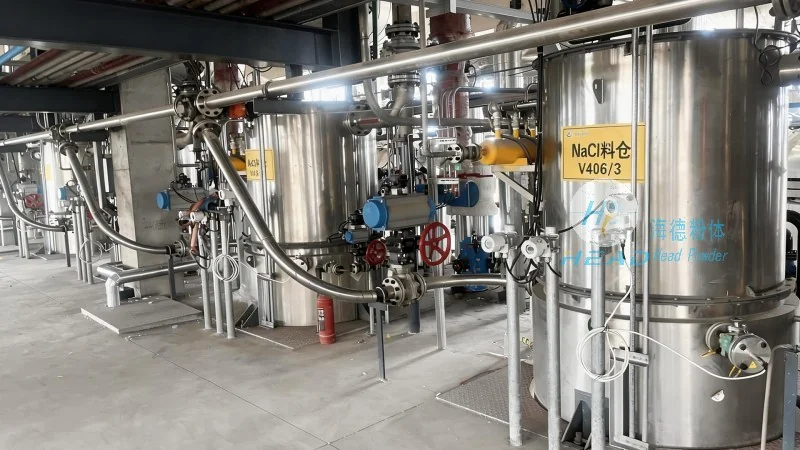
Another advantage is the system's flexibility and adaptability. The components can be easily adjusted or modified to accommodate changes in production volume or to integrate with existing equipment. The modular design allows for scalability, enabling the system to grow with the needs of the business.
The conveying line also improves safety and operational efficiency. The enclosed system reduces the risk of dust exposure and contamination, which is crucial for maintaining product purity. The automated control system minimizes the need for manual intervention, reducing labor costs and improving overall productivity.
Furthermore, the system is designed for low maintenance and long-term reliability. High-quality materials and robust construction ensure that the components can withstand the harsh conditions of the powder handling environment. Regular maintenance, such as cleaning the conveyor lines and checking the air filters, is recommended to ensure the system operates at peak performance.