

Operation Process and Working Principle of Manganese Carbonate Powder Conveying Machine
Shandong HeadPowder Engineering Co., Ltd., a leading manufacturer based in Shandong, China, specializes in the design and production of advanced powder conveying systems. The company, commonly known as HeadPowder, focuses on providing high-efficiency and reliable solutions for handling manganese carbonate powders in various industrial applications.
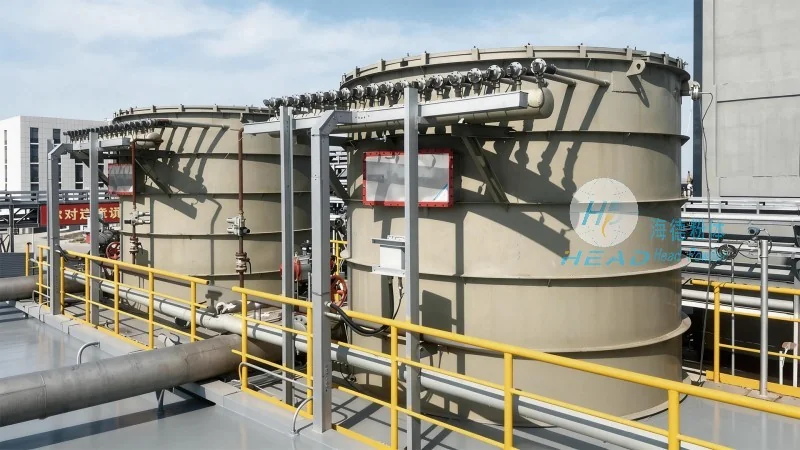
Overview of Manganese Carbonate Powder Conveying Machines
Manganese carbonate powder conveying machines are essential equipment in the mineral processing and chemical industries. These systems are engineered to transport manganese carbonate powders from storage silos or production lines to processing units efficiently and safely. The design of these machines addresses challenges such as dust generation, material segregation, and material flow control, ensuring optimal performance in demanding environments.
Key Components and Their Functions
The operation of a manganese carbonate powder conveying machine involves several critical components that work in tandem to achieve seamless material transport. The main components include the hopper, feeder, conveyor system (e.g., screw or pneumatic), control panel, and dust collection system. Each component plays a vital role in the overall process:
1. **Hopper**: The hopper is the storage container where manganese carbonate powder is loaded. It is designed with a sloped bottom to facilitate material flow and prevent clogging. The hopper is typically made of corrosion-resistant materials to withstand the chemical properties of manganese carbonate.
2. **Feeder**: The feeder regulates the flow rate of the powder from the hopper to the conveyor. Common types include rotary valves or vibratory feeders, which ensure a consistent and controlled discharge of material. This component is crucial for maintaining stable material flow and preventing overloading of the conveyor system.
3. **Conveyor System**: The conveyor system is the core of the powder conveying machine. It can be either a screw conveyor or a pneumatic conveyor, depending on the specific application and material characteristics. Screw conveyors use rotating screws to move powder along a tube or trough, while pneumatic conveyors utilize air pressure to transport material through a pipeline. Both systems are designed to handle fine powders like manganese carbonate without causing excessive wear or material degradation.
4. **Control Panel**: The control panel houses the electrical and electronic components that manage the operation of the conveying machine. It includes sensors, motors, and control circuits that monitor and adjust the flow rate, speed, and pressure as needed. The control panel ensures that the system operates within safe parameters and can be easily adjusted for different production requirements.
5. **Dust Collection System**: To maintain a clean and safe working environment, a dust collection system is integrated into the conveying machine. This system captures airborne dust particles and filters them before releasing clean air back into the environment. The dust collection system is essential for compliance with environmental regulations and for protecting the health of operators.
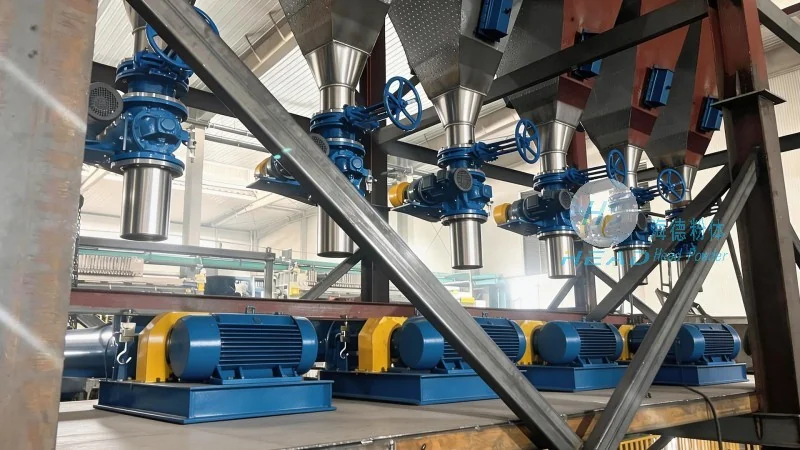
Operation Process of Manganese Carbonate Powder Conveying Machines
The operation of a manganese carbonate powder conveying machine follows a systematic process that ensures efficient and continuous material transport. The steps involved are as follows:
1. **Material Loading**: Manganese carbonate powder is loaded into the hopper from a storage silo or a production vessel. The hopper is filled to an appropriate level to ensure a steady supply of material for the conveying process.
2. **Feeder Activation**: The feeder is activated to start regulating the flow of powder from the hopper. The control panel adjusts the feeder speed to maintain a consistent flow rate, preventing material buildup or underflow.
3. **Conveyor Activation**: Once the feeder is running, the conveyor system is activated. The screw or pneumatic conveyor begins to move the powder along its path, transporting it from the hopper to the discharge point.
4. **Material Discharge**: At the discharge end of the conveyor, the powder is released into a processing unit, such as a mixer, reactor, or storage tank. The control panel monitors the discharge rate to ensure that the receiving unit can handle the material without overloading.
5. **Dust Control**: Throughout the operation, the dust collection system continuously captures and filters airborne particles, maintaining a clean environment and preventing dust accumulation in the system.
Working Principle of Manganese Carbonate Powder Conveying Machines
The working principle of a manganese carbonate powder conveying machine is based on the principles of material flow and mechanical or pneumatic transport. The system operates by converting the potential energy of the powder in the hopper into kinetic energy, which is then transferred to the conveyor mechanism. The key principles include:
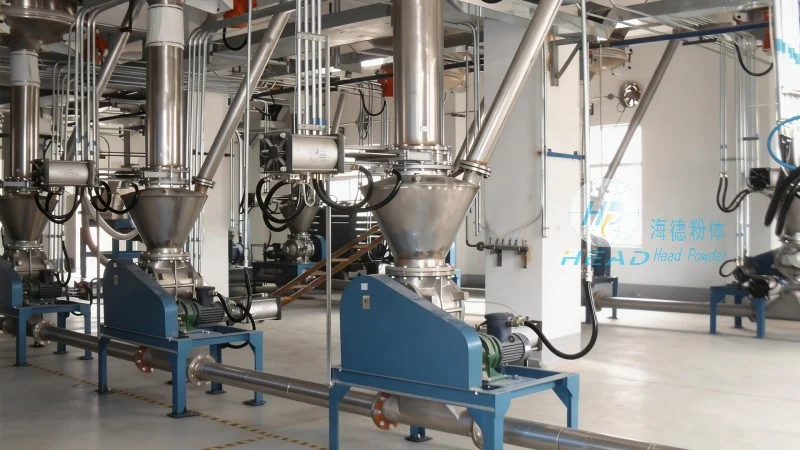
1. **Mechanical Conveying (Screw Conveyor)**: In a screw conveyor, a rotating screw (helix) inside a tube or trough moves the powder forward. The pitch and speed of the screw determine the flow rate and the pressure exerted on the material. The mechanical design ensures that the powder is moved without excessive friction or degradation, maintaining the quality of the manganese carbonate.
2. **Pneumatic Conveying**: Pneumatic conveyors use compressed air to transport the powder through a pipeline. The air pressure creates a flow of material, which is guided by the pipeline's design. This method is particularly effective for fine powders that are prone to segregation or clogging in mechanical systems. The pneumatic system can handle long distances and multiple transfer points, making it versatile for various industrial setups.
3. **Control and Regulation**: The control panel plays a critical role in regulating the entire process. Sensors monitor parameters such as flow rate, pressure, and temperature, and the control system adjusts the feeder speed, conveyor speed, and air pressure as needed. This closed-loop control ensures that the system operates efficiently and safely, adapting to changes in production demand or material characteristics.
Advantages of Manganese Carbonate Powder Conveying Machines
Using a manganese carbonate powder conveying machine offers several advantages over traditional manual or bucket elevator systems. These benefits include:
1. **Efficiency and Speed**: The automated operation of the conveying machine significantly increases the speed and efficiency of material transport. It can handle large volumes of powder in a short period, reducing production time and increasing overall productivity.
2. **Safety and Environmental Protection**: The integrated dust collection system minimizes dust emissions, ensuring a safe working environment for operators. It also helps in complying with environmental regulations, reducing the risk of fines or penalties.
3. **Material Quality Preservation**: The design of the conveying machine, particularly the screw or pneumatic system, minimizes material degradation and segregation. This ensures that the manganese carbonate powder maintains its quality and properties throughout the transport process, which is crucial for downstream processing.
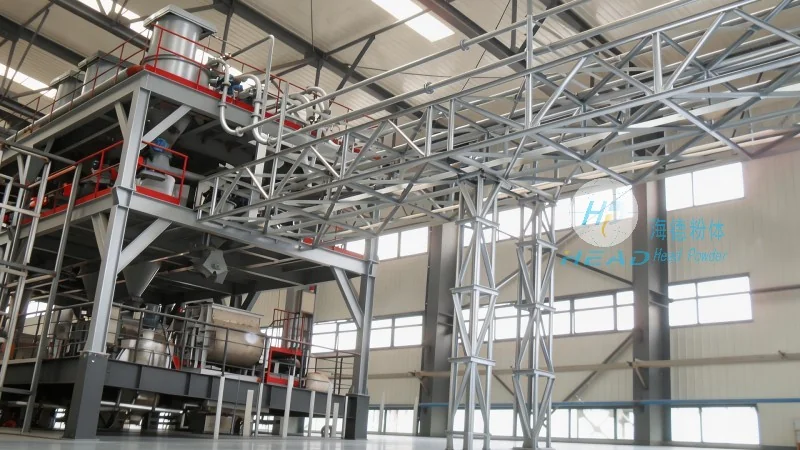
4. **Low Maintenance and Durability**: High-quality materials and robust construction of the conveying machine result in low maintenance requirements and long service life. The components are designed to withstand the abrasive nature of manganese carbonate powder, reducing the need for frequent repairs or replacements.
Applications in Industrial Settings
Manganese carbonate powder conveying machines are widely used in various industrial applications where manganese carbonate is a key raw material. Some common applications include:
1. **Battery Manufacturing**: Manganese carbonate is a critical component in lithium-ion batteries. The conveying machine ensures that the powder is transported efficiently to the battery production lines, maintaining consistent quality and preventing material loss.
2. **Fertilizer Production**: In the fertilizer industry, manganese carbonate is used as a micronutrient in agricultural fertilizers. The conveying system facilitates the transport of the powder from storage to mixing and packaging units, ensuring uniform distribution in the final product.
3. **Chemical Processing**: Manganese carbonate is used in various chemical processes, such as the production of manganese dioxide and other manganese compounds. The conveying machine helps in moving the powder to reactors and processing units, supporting continuous chemical operations.
4. **Mining and Mineral Processing**: In mining operations, manganese carbonate is extracted from ore and processed into a fine powder. The conveying machine is used to transport the processed powder to storage or further processing stages, optimizing the overall mining process.
Conclusion
Shandong HeadPowder Engineering Co., Ltd. provides advanced manganese carbonate powder conveying machines that combine efficiency, reliability, and safety. The operation process and working principle of these machines are designed to meet the demanding requirements of modern industrial applications. By leveraging mechanical and pneumatic transport technologies, along with robust control systems, the conveying machines ensure optimal performance and material quality. The advantages of using these systems, including increased productivity, environmental compliance, and material preservation, make them an essential investment for industries relying on manganese carbonate powder. HeadPowder's commitment to quality and innovation ensures that their conveying machines are tailored to meet the specific needs of each customer, providing long-term value and operational excellence.