

Operation Process and Working Principle of Desulfurization Fly Ash Powder Conveying System Equipment
Shandong HeadPowder Engineering Co., Ltd., a professional manufacturer based in Shandong, China, specializes in the design, development, and supply of advanced conveying systems for desulfurization fly ash powder. The company's core product, the desulfurization fly ash powder conveying system equipment, is engineered to efficiently handle the transportation of fly ash, a byproduct from flue gas desulfurization processes in power plants and industrial facilities.
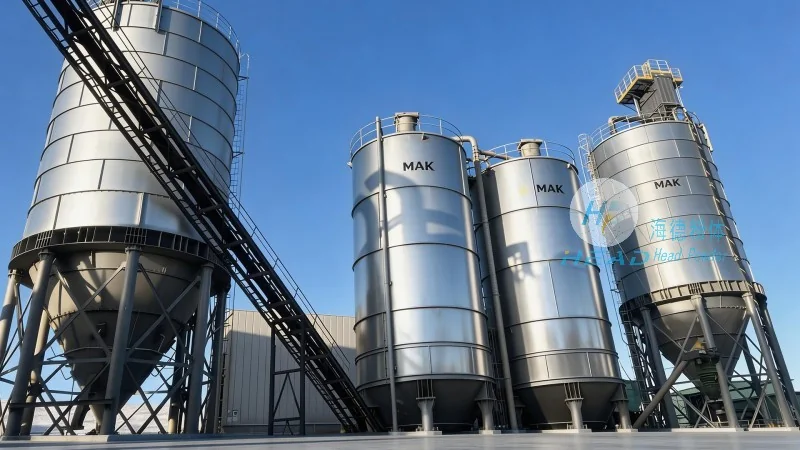
System Overview and Key Components
The desulfurization fly ash powder conveying system is a comprehensive solution that integrates multiple components to ensure reliable and efficient material transport. The system typically includes a feeding hopper, a screw conveyor or pneumatic conveyor, a control panel, and a dust collection system. Each component plays a crucial role in the overall operation, ensuring that the fly ash is moved from the storage area to the disposal or utilization site without loss or contamination.
Operation Process of the Conveying System
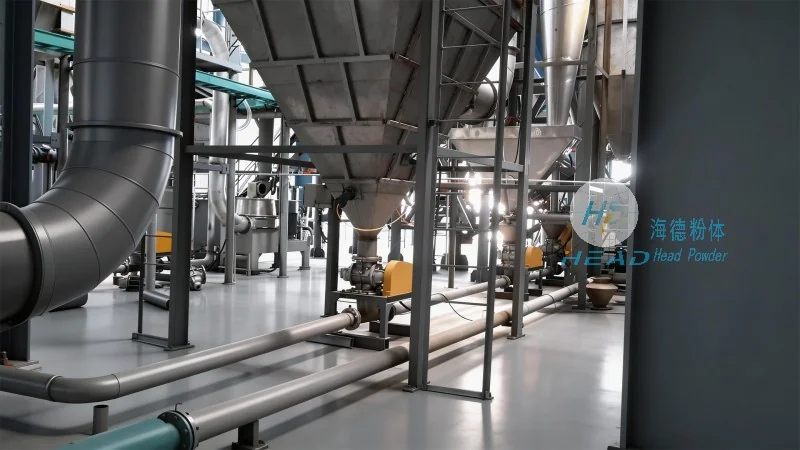
The operation of the desulfurization fly ash powder conveying system begins with the loading of fly ash into the feeding hopper. The hopper is equipped with a level indicator to monitor the material volume, ensuring that the system operates within safe and efficient parameters. Once the hopper is filled to the appropriate level, the control panel activates the conveyor mechanism. For screw conveyors, the rotating screw pushes the fly ash forward through the pipeline, while pneumatic conveyors use compressed air to transport the powder in a sealed system.
Working Principle of the Conveying Equipment
The working principle of the desulfurization fly ash powder conveying system is based on mechanical or pneumatic force to move the fine powder. In the case of mechanical conveyors, such as screw conveyors, the rotating screw creates a continuous flow of material by friction and gravity. The screw's design, including the pitch and diameter, is optimized to handle the specific characteristics of fly ash, such as its moisture content and particle size. Pneumatic conveyors, on the other hand, utilize the pressure difference between the inlet and outlet to draw the fly ash into the system. The compressed air flows through the pipeline, carrying the powder particles and ensuring a consistent flow rate.
Advantages of the Conveying System
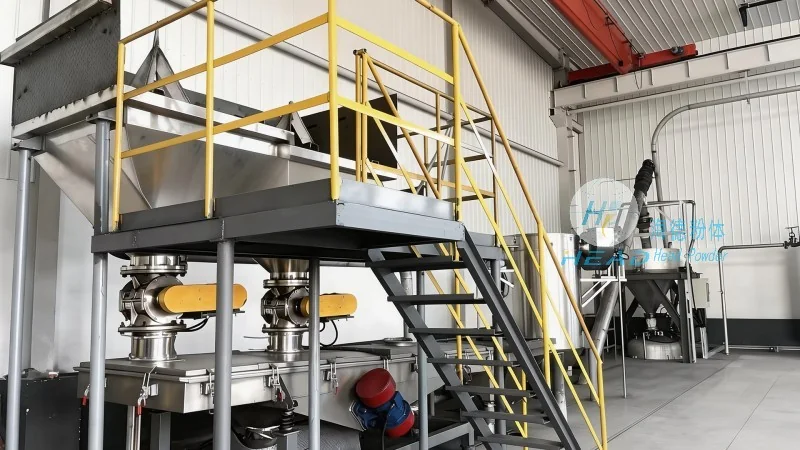
Shandong HeadPowder Engineering Co., Ltd.'s desulfurization fly ash powder conveying system offers several advantages over traditional methods. The system minimizes dust emissions, which is critical for environmental compliance and worker safety. It also reduces material loss and improves the overall efficiency of the transportation process. The modular design allows for easy installation and maintenance, reducing downtime and operational costs. Additionally, the system can be integrated with other industrial processes, such as fly ash utilization for cement production or soil amendment, enhancing the overall value of the byproduct.
Application and Customization
The desulfurization fly ash powder conveying system is widely used in power plants, steel mills, and other industrial facilities where flue gas desulfurization is employed. The system can be customized to meet specific operational requirements, including varying material flow rates, pipeline lengths, and environmental conditions. Shandong HeadPowder Engineering Co., Ltd. provides tailored solutions that consider the unique characteristics of each client's fly ash, ensuring optimal performance and reliability.