

Operation Process and Working Principle of Seasoning Material Conveying
Seasoning material conveying systems are critical components in the food processing industry, designed to efficiently transport various spices, seasonings, and dry ingredients from storage to production lines. These systems ensure consistent material flow, maintain product quality, and enhance operational efficiency in manufacturing facilities. Shandong HeadPowder Engineering Co., Ltd. specializes in designing and manufacturing high-quality conveying systems tailored to the unique needs of the food industry, ensuring reliable and efficient material handling for its clients.

Key Components of Seasoning Material Conveying Systems
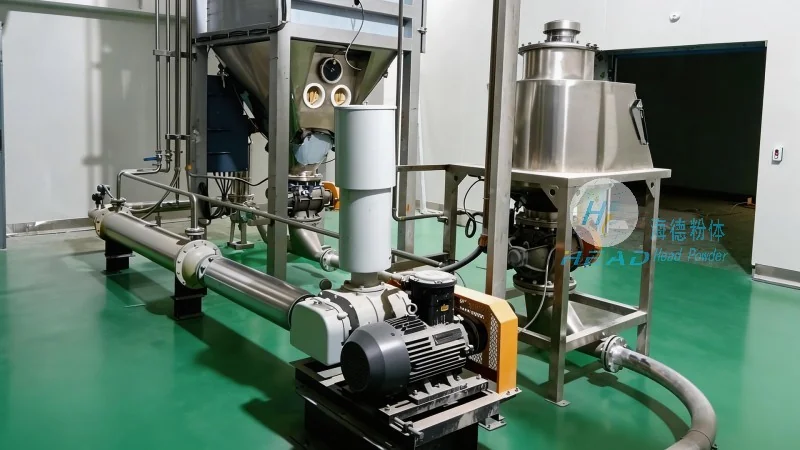
The core components of a typical seasoning material conveying system include storage hoppers, feeding mechanisms, conveyor belts or screw conveyors, control panels, and discharge units. Each component plays a vital role in the overall operation. Storage hoppers are used to hold raw materials, such as various spices and seasonings, ensuring a steady supply. Feeding mechanisms, often equipped with adjustable speed controls, regulate the flow of materials from the hoppers into the conveyor system. Conveyor belts or screw conveyors then transport the materials through the system, while control panels allow operators to monitor and adjust the process parameters. Discharge units deliver the materials to the next stage of production, such as mixing or packaging.
Operation Process of Seasoning Material Conveying
The operation process of a seasoning material conveying system typically involves several sequential steps. First, raw materials are loaded into the storage hoppers. The feeding mechanism then activates, controlling the flow rate based on production requirements. The conveyor system transports the materials through the system, ensuring uniform distribution. At the discharge point, the materials are collected and prepared for the subsequent processing stage. This process is often automated, with sensors and controls maintaining consistent performance. The entire operation is designed to minimize material loss, prevent contamination, and ensure product quality.
Working Principles of Seasoning Material Conveying
The working principles of seasoning material conveying systems are based on mechanical and pneumatic mechanisms, tailored to handle dry, granular, or powdered materials. For example, screw conveyors use rotating screws to move materials forward, while belt conveyors rely on friction between the belt and the material to transport it. The design of the system considers factors such as material density, flow characteristics, and the need for gentle handling to avoid degradation. Control systems, often integrated with sensors, monitor parameters like flow rate, temperature, and pressure, ensuring optimal performance. The principles also emphasize energy efficiency and minimal maintenance, making these systems reliable for continuous production.
Benefits of Using Seasoning Material Conveying Systems
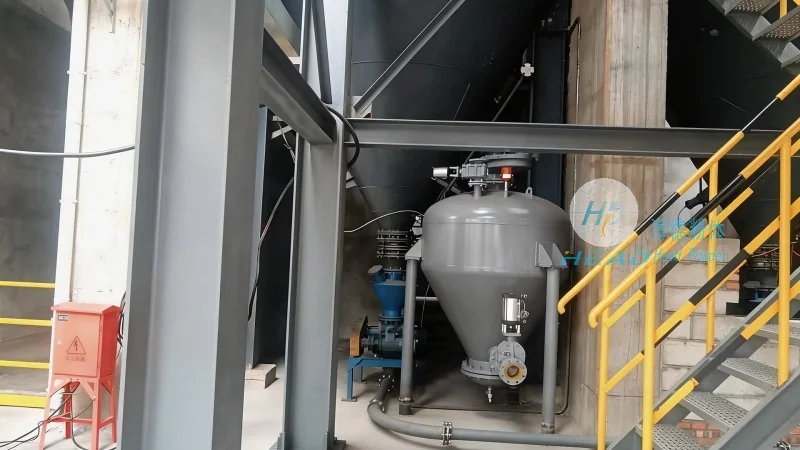
Implementing seasoning material conveying systems offers several advantages for food processing facilities. These systems enhance operational efficiency by automating material handling, reducing labor costs, and minimizing downtime. They also improve product quality by ensuring consistent material flow and preventing contamination. Additionally, the systems help in maintaining a clean and organized production environment, which is crucial for compliance with food safety regulations. The ability to adjust flow rates and conveyor speeds allows for flexibility in production, accommodating varying demand and product specifications.
Conclusion
Seasoning material conveying systems are essential for efficient and reliable operation in the food processing industry. By understanding the operation process and working principles, manufacturers can optimize their systems to meet production needs while maintaining high standards of quality and safety. The integration of advanced control technologies and robust mechanical components ensures that these systems deliver consistent performance, contributing to the overall success of food manufacturing operations.