

Operating Process and Working Principle of Reducing Iron Powder Material Transport
Shandong HeadPowder Engineering Co., Ltd., commonly known as headpowder, specializes in the design, manufacturing, and implementation of material handling systems tailored for reducing iron powder applications. With a focus on industrial efficiency and precision, the company provides comprehensive solutions that ensure the smooth and reliable transport of reducing iron powder, a critical component in various metallurgical and manufacturing processes.
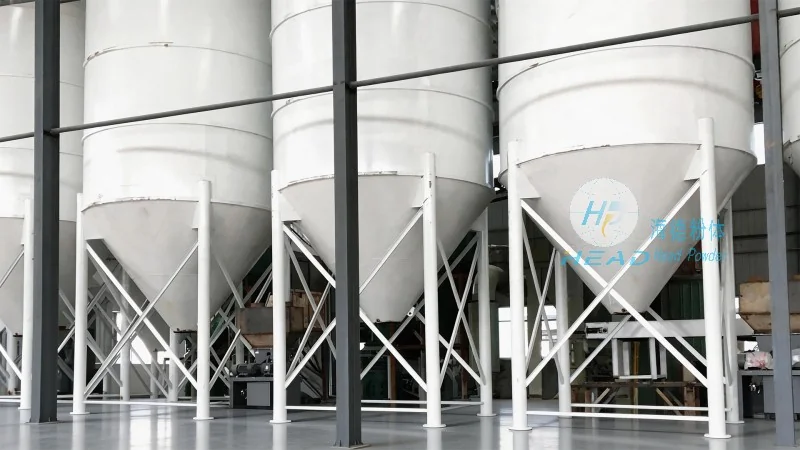
Overview of Reducing Iron Powder Material Handling Systems
Reducing iron powder is a vital material used in steelmaking, foundry, and other industrial applications. Its handling requires specialized equipment and processes to maintain material integrity, prevent contamination, and ensure consistent flow. The material handling systems developed by headpowder are engineered to address these challenges, offering robust solutions that meet the demands of modern industrial operations.
Key Components and Their Functions in the Material Transport Process
The operation of reducing iron powder material transport involves several key components, each playing a crucial role in the overall system. These components include feed hoppers, conveyor belts or screw conveyors, control valves, and dust collection systems. The feed hopper is responsible for storing and regulating the input of reducing iron powder, ensuring a steady flow into the transport system. Conveyor belts or screw conveyors then transport the material from the hopper to the processing or storage areas. Control valves are used to adjust the flow rate, preventing overloading or underflow, which helps maintain system stability. Dust collection systems are integrated to manage airborne particles, ensuring a clean and safe working environment while complying with environmental regulations.
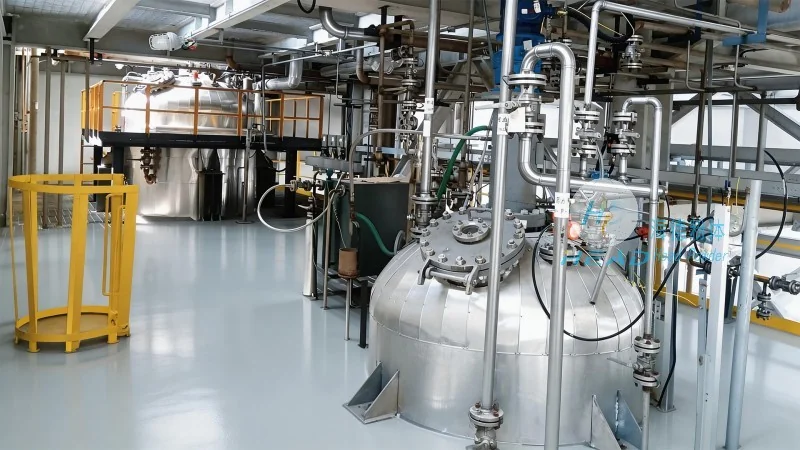
Operating Process: Step-by-Step Explanation
The material transport process for reducing iron powder typically follows a systematic sequence of operations. The process begins with the loading of the reducing iron powder into the feed hopper. Once the hopper is filled to the appropriate level, the control system activates the conveyor system, initiating the transport of the material. The conveyor moves the powder at a controlled speed, ensuring that the material is conveyed without excessive vibration or spillage. At the discharge point, the powder is directed into the next stage of processing or storage. The entire process is monitored by the control system, which adjusts parameters such as flow rate and speed based on real-time feedback from sensors. This closed-loop control ensures optimal performance and prevents operational issues such as blockages or uneven flow.
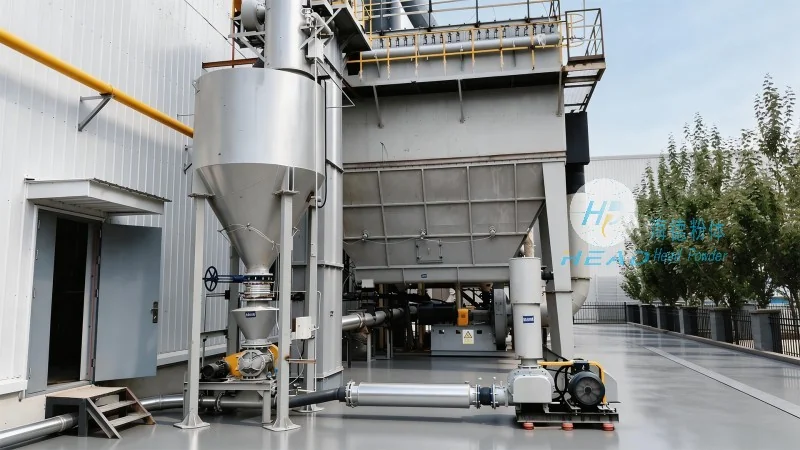
Working Principle: Mechanical and Control Mechanisms
The working principle of the reducing iron powder material handling system combines mechanical engineering with advanced control technology. The mechanical components, such as conveyors and hoppers, are designed to handle the physical properties of the powder, including its density, flowability, and particle size. The control mechanisms, including sensors and programmable logic controllers (PLCs), monitor the system's performance and adjust operations as needed. For example, level sensors in the hopper detect the powder level and signal the control system to adjust the feed rate. Flow sensors on the conveyor monitor the material flow rate, allowing the system to maintain a consistent output. The integration of these mechanical and control elements ensures that the material is transported efficiently and safely, minimizing downtime and maximizing productivity.
Advantages of Using Specialized Material Handling Systems for Reducing Iron Powder
Implementing specialized material handling systems for reducing iron powder offers several advantages over traditional methods. These systems enhance operational efficiency by ensuring a continuous and controlled flow of material, reducing the need for manual intervention and labor. They also improve material quality by preventing contamination and maintaining the powder's integrity. Additionally, the systems contribute to a safer working environment by reducing dust exposure and minimizing the risk of accidents. From an economic perspective, these systems can lower operational costs by reducing material waste and improving process reliability. The long-term benefits include increased productivity, reduced maintenance requirements, and improved overall system performance.