

Operation Process and Working Principle of the Powder Bag Dust-Free Loading Station Material Conveyi
HeadPowder, a leading manufacturer in the field of powder handling equipment, specializes in providing advanced solutions for dust-free material handling. This article delves into the operation process and working principle of the material conveying system integrated within the dust-free loading station, designed to ensure efficient and safe powder transfer in industrial applications.
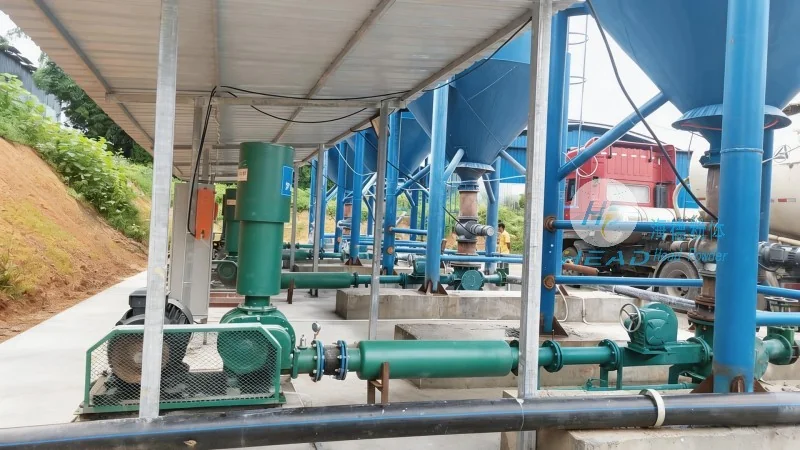
Introduction to the Material Conveying System
The material conveying system for the dust-free loading station is a critical component of the overall powder handling infrastructure. It is engineered to handle bulk powders from sealed bags, transferring them into processing equipment or storage silos while maintaining a controlled, dust-free environment. The system combines precision engineering with robust construction to meet stringent industrial standards for cleanliness and efficiency.
Key Components of the System
The system comprises several key components that work in tandem to achieve seamless material transfer. These include: (1) a bag opening mechanism that safely and hygienically breaks the seal of the powder bag; (2) a dust collection and filtration unit that captures airborne particles to prevent contamination; (3) a conveying device, such as a rotary valve or a pneumatic conveyor, that transports the powder from the bag to the target destination; and (4) a control panel that monitors and regulates the entire process for optimal performance.
Operation Process Step-by-Step
The operation of the material conveying system follows a systematic sequence to ensure consistent and reliable performance. The process begins with the placement of a sealed powder bag onto the loading station's receiving platform. The bag opening mechanism then activates, using a controlled force to cut or tear the bag's seal without generating excessive dust. Simultaneously, the dust collection system is engaged, drawing in any airborne particles and filtering them to meet environmental and safety regulations.
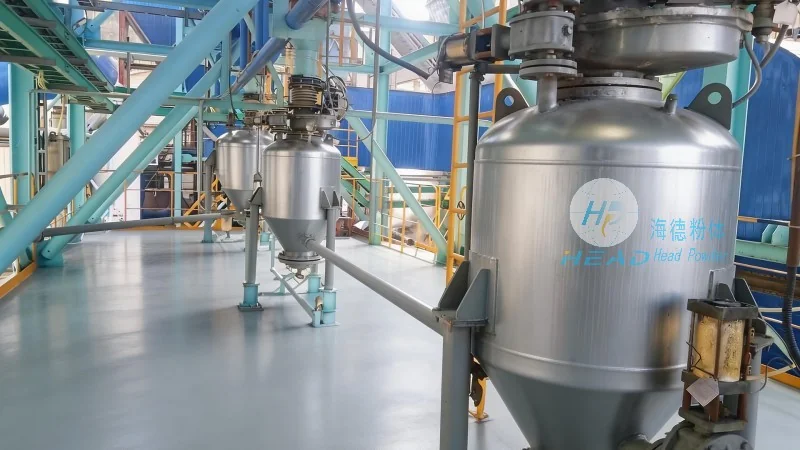
Once the bag is opened, the conveying device is activated. Depending on the system design, this may involve a rotary valve that gradually releases the powder into the conveyor line or a pneumatic system that uses compressed air to transport the material. The powder is then directed through the conveying line to the processing equipment or storage silo. Throughout this process, the control panel continuously monitors parameters such as pressure, flow rate, and dust levels, adjusting the system as needed to maintain optimal conditions.
Working Principle Explained
The working principle of the material conveying system is based on a combination of mechanical and pneumatic technologies, tailored to handle powders with varying characteristics. The bag opening mechanism ensures that the powder is released in a controlled manner, minimizing spillage and dust generation. The dust collection unit, typically equipped with high-efficiency particulate air (HEPA) filters, captures any particles that escape, ensuring that the environment remains clean and safe for operators and equipment.
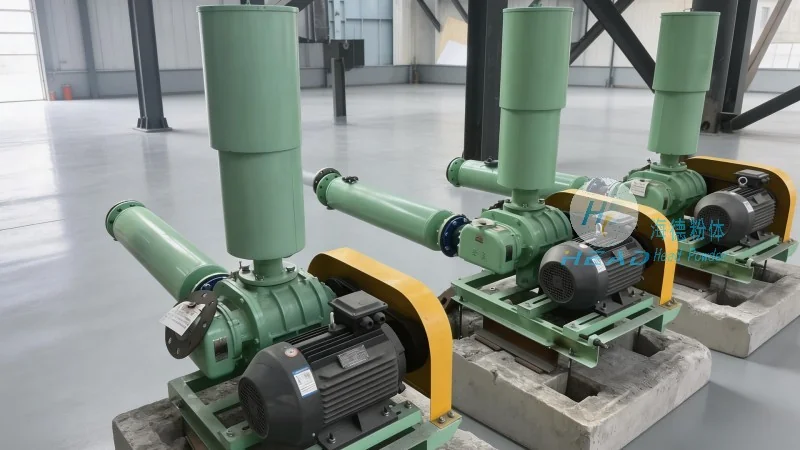
The conveying device, whether a rotary valve or a pneumatic conveyor, utilizes principles of fluid dynamics to move the powder. In the case of a rotary valve, the powder is fed into the valve chamber and then discharged through a rotating disc, creating a sealed and continuous flow. For pneumatic conveyors, compressed air is used to create a flow that carries the powder particles through the system. Both methods are designed to handle different powder types, from fine powders to bulkier granules, with minimal degradation or segregation.
Benefits and Applications
The material conveying system for the dust-free loading station offers numerous benefits, including improved safety, enhanced product quality, and increased operational efficiency. By maintaining a dust-free environment, it reduces the risk of respiratory issues for operators and prevents contamination of the processed material. The system's ability to handle various powder types makes it suitable for a wide range of industries, including pharmaceuticals, food processing, and chemical manufacturing.
HeadPowder's expertise in designing and manufacturing such systems ensures that clients receive tailored solutions that meet their specific requirements. With a focus on durability, reliability, and compliance with industry standards, the company provides comprehensive support from design and installation to maintenance and after-sales service.
Conclusion
In conclusion, the operation process and working principle of the material conveying system for the dust-free loading station represent a sophisticated approach to powder handling. By integrating advanced technologies and robust engineering, the system ensures efficient, safe, and clean transfer of materials, contributing to the overall productivity and quality of industrial operations. HeadPowder continues to innovate in this field, delivering solutions that meet the evolving needs of modern manufacturing.