

Operation Process and Working Principle of Coal Sand Material Handling Systems
HeadPowder, a leading manufacturer based in Shandong, China, specializes in the design, development, and implementation of advanced material handling systems tailored for coal and sand applications. The company's expertise lies in creating efficient, reliable, and cost-effective solutions that meet the demanding requirements of various industrial sectors, including mining, construction, and energy production.
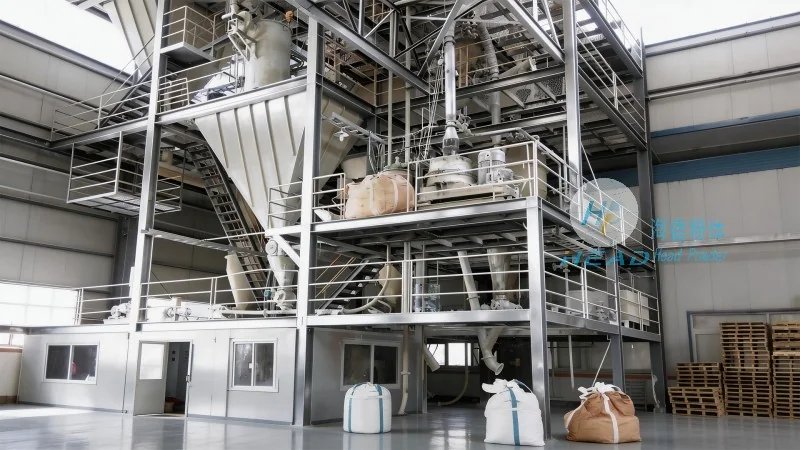
System Overview: Core Components and Structure
The coal sand material handling system typically consists of several key components that work in tandem to ensure seamless material transport. These components include feeders, conveyors (such as belt conveyors or screw conveyors), storage silos, and control systems. Each part plays a critical role in the overall operation, contributing to the system's efficiency and safety. The feeders are responsible for uniformly feeding the coal sand into the conveyor, while the conveyors transport the material to the designated storage or processing areas. Storage silos are used to hold the material temporarily, allowing for smooth operation and preventing bottlenecks in the system. The control system monitors and regulates the entire process, ensuring that the material flow is consistent and that any deviations are quickly addressed.
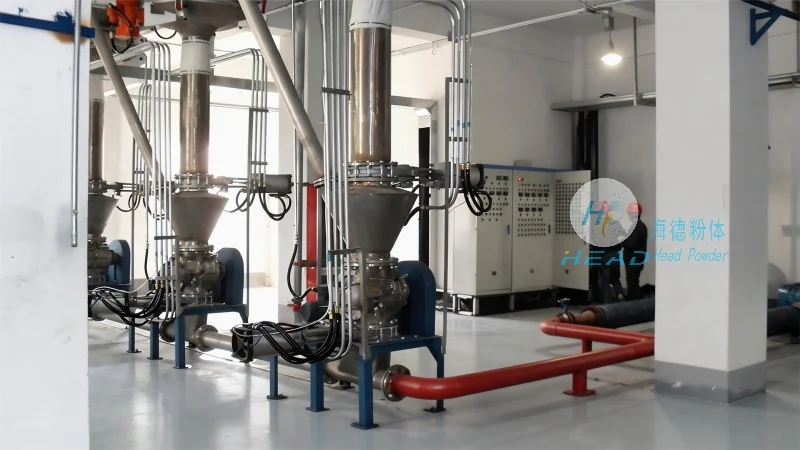
Operation Process: Step-by-Step Execution
The operation of the coal sand material handling system follows a systematic process that begins with material intake and ends with delivery to the final destination. The first step involves the intake of raw coal sand from the source, which may be a mine or a stockpile. The material is then fed into the system using a feeder, which ensures a consistent flow rate. Next, the conveyor system transports the material to the storage silo or directly to the processing unit. The control system continuously monitors the material level in the silo and adjusts the feeder speed accordingly to maintain optimal inventory levels. When the processing unit requires material, the control system signals the conveyor to start, and the material is delivered as needed. This step-by-step process ensures that the system operates efficiently, minimizing downtime and maximizing productivity.
Working Principle: Mechanisms and Technology
The working principle of the coal sand material handling system is based on mechanical and hydraulic systems that work together to move the material. The primary mechanism is the conveyor system, which uses a belt or screw to transport the material. The belt conveyor, for example, consists of a moving belt that carries the material from the intake point to the discharge point. The speed of the belt is controlled by the motor, which is regulated by the control system. The screw conveyor operates similarly, using a rotating screw to push the material forward. The control system monitors the motor speed and adjusts it based on the material load and required flow rate. Additionally, the system may include sensors and alarms to detect any issues, such as blockages or overfilling, and to alert operators for timely intervention. This integrated approach ensures that the system operates safely and reliably, even under varying load conditions.

Advantages and Applications
HeadPowder's coal sand material handling systems offer several advantages that make them ideal for various industrial applications. These systems are designed to handle large volumes of material efficiently, reducing labor costs and increasing productivity. The systems are also highly customizable, allowing them to be adapted to specific site requirements and material characteristics. The use of advanced control systems ensures precise material flow control, minimizing waste and optimizing resource utilization. The systems are widely used in mining operations for transporting coal from the mine to processing facilities, in construction for handling sand and gravel, and in energy production for transporting coal to power plants. The reliability and durability of these systems make them a preferred choice for industries that require consistent and high-quality material handling solutions.