

Operation Process and Working Principle of Boron Nitride Material Handling Systems
HeadPowder, a leading manufacturer in the field of material handling solutions, specializes in the design, development, and implementation of advanced Boron Nitride (BN) material handling systems. These systems are engineered to efficiently transport and manage BN powders and related materials, ensuring optimal performance and reliability in industrial applications. The following sections detail the operational process and underlying principles of such systems, highlighting key components, operational steps, and technical considerations.

Company Overview and Expertise
Shandong HeadPowder Engineering Co., Ltd., commonly known as HeadPowder, is a professional enterprise based in Shandong, China. With years of experience in the powder processing and material handling industry, HeadPowder has established itself as a trusted provider of high-quality material handling equipment. The company's commitment to innovation and precision engineering enables it to deliver tailored solutions that meet the specific needs of clients across various sectors, including electronics, ceramics, and chemical industries. HeadPowder's expertise lies in understanding the unique properties of materials like Boron Nitride and designing systems that maximize efficiency while maintaining safety and compliance with industry standards.
Key Components of Boron Nitride Material Handling Systems
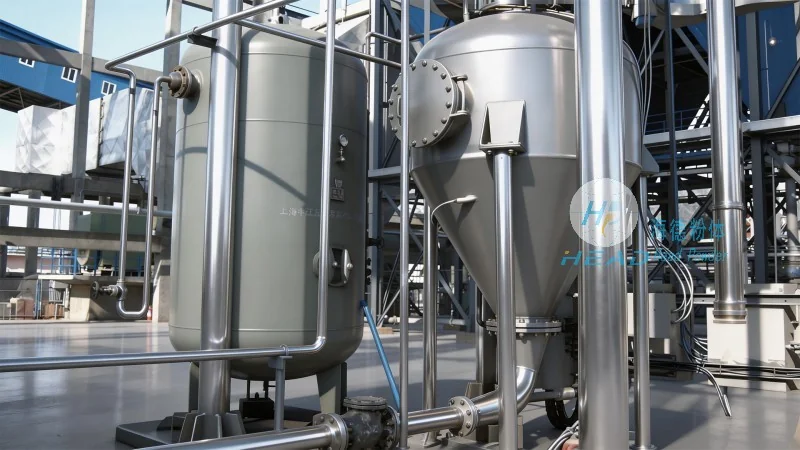
The Boron Nitride material handling system typically consists of several critical components that work in tandem to ensure smooth operation. These components include feeders, conveyors, storage silos, and control systems. Each component plays a vital role in the overall functionality of the system. Feeders are responsible for uniformly distributing the BN material into the conveyor system, preventing blockages and ensuring consistent flow rates. Conveyors, often equipped with specialized belts or screw mechanisms, transport the material from one stage to another. Storage silos provide a secure and controlled environment for bulk storage, allowing for stable material handling and inventory management. The control system integrates all components, monitoring parameters such as flow rate, pressure, and temperature to maintain optimal performance and prevent operational issues.
Operation Process of the Material Handling System
The operation of a Boron Nitride material handling system follows a systematic process that ensures efficient material transport. The process begins with the loading of BN material into the storage silo. Once the material is loaded, the feeder activates, gradually releasing the material into the conveyor system. The conveyor then transports the material to the processing or packaging area. Throughout this process, the control system continuously monitors key parameters to ensure that the material is handled safely and effectively. For example, if the flow rate exceeds the set limit, the system automatically adjusts the feeder speed to maintain a stable flow. This feedback mechanism ensures that the system operates within safe and efficient parameters at all times. The entire process is designed to minimize downtime and maximize productivity, making it an essential component of modern industrial operations.
Working Principle of the System
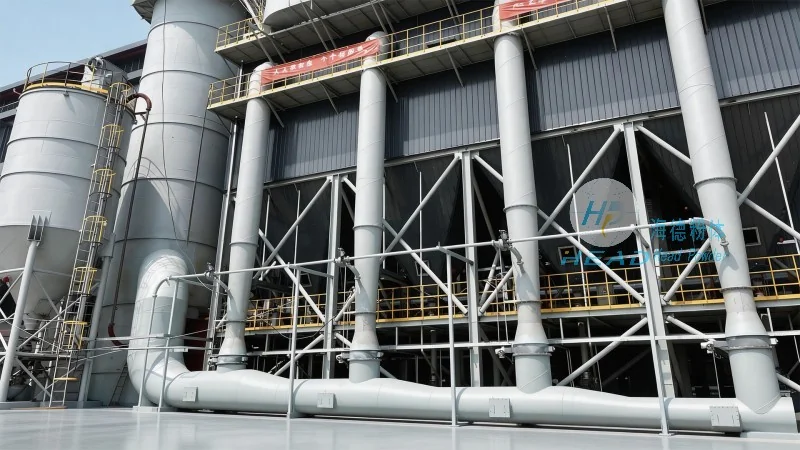
The working principle of a Boron Nitride material handling system is based on mechanical and pneumatic operations, tailored to the properties of BN materials. The system relies on the principles of gravity and controlled pressure to move the material through the various stages. Feeders use vibration or screw mechanisms to evenly distribute the material, preventing agglomeration and ensuring consistent flow. Conveyors, such as belt or screw conveyors, use mechanical force to transport the material, while the control system regulates the speed and direction of the movement. The storage silos utilize aeration and pressure relief systems to maintain the material's quality and prevent caking or blockages. The integration of these components allows for a seamless and continuous operation, ensuring that the material is handled with minimal risk of contamination or degradation. This systematic approach not only enhances operational efficiency but also contributes to the overall safety and reliability of the system.
Technical Considerations and Maintenance
Operating a Boron Nitride material handling system requires careful consideration of several technical factors to ensure long-term performance and reliability. Material properties, such as BN's high thermal stability and low friction coefficient, must be taken into account when designing the system. The system components must be constructed from materials that are compatible with BN, such as stainless steel or specialized plastics, to prevent corrosion or contamination. Regular maintenance is crucial to maintain the system's efficiency. This includes cleaning the feeders and conveyors to prevent material buildup, inspecting the control system for proper functionality, and checking the storage silos for any signs of wear or damage. By adhering to a regular maintenance schedule, the system can operate at peak performance, reducing the risk of breakdowns and extending its service life. HeadPowder provides comprehensive maintenance services to ensure that clients' systems remain in optimal condition, supporting their operational needs and maintaining product quality.