

Operation Process and Working Principle of Coal and Coke Material Handling Equipment
HeadPowder, a leading provider of industrial material handling solutions, specializes in the design, manufacturing, and integration of equipment tailored for the efficient transport of coal and coke. Based in Shandong, China, the company leverages decades of experience to deliver robust systems that meet the demanding requirements of modern mining and processing industries. This article explores the operational workflow and underlying principles of coal and coke material handling equipment, highlighting key components, control mechanisms, and the overall efficiency of these systems.
Company Overview and Expertise
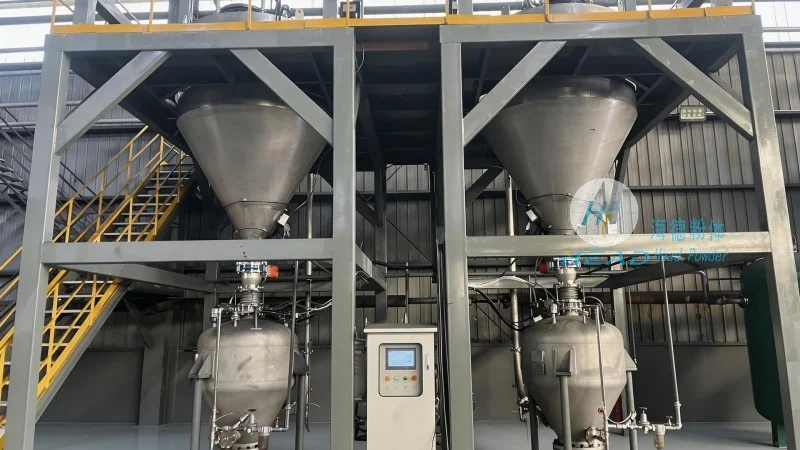
Shandong HeadPowder Engineering Co., Ltd., commonly known as HeadPowder, is a reputable enterprise dedicated to advancing material handling technologies. With a strong presence in Shandong, China, the company has established itself as a trusted partner for clients seeking reliable solutions for coal and coke transportation. HeadPowder's team of engineers and technicians brings a wealth of knowledge in mechanical design, automation, and process optimization, ensuring that each equipment solution is tailored to the specific needs of the client. The company's commitment to quality and innovation has enabled it to serve a diverse range of industries, from coal mining to steel production, where efficient material movement is critical to operational success.
Key Components of Coal and Coke Material Handling Equipment
The core of any coal and coke material handling system consists of several interconnected components that work in harmony to ensure smooth operation. These components typically include feeders, conveyors, storage silos, and control systems. Feeders are responsible for regulating the flow of material from the source, such as a hopper or stockpile, into the conveyor system. Common types of feeders include belt feeders, screw feeders, and vibratory feeders, each designed to handle different material characteristics and flow rates. Conveyors, the backbone of the system, transport the material over long distances with minimal energy consumption. Belt conveyors are widely used due to their durability and ability to handle heavy loads, while chain conveyors may be employed for more challenging applications where high tension or vertical lifting is required. Storage silos or hoppers are used to temporarily store the material, providing a buffer between the feed and discharge points and allowing for controlled release. Control systems, often integrated with sensors and automation software, monitor the flow rate, pressure, and other critical parameters, ensuring that the system operates within safe and efficient limits.
Operation Process: From Inlet to Outlet
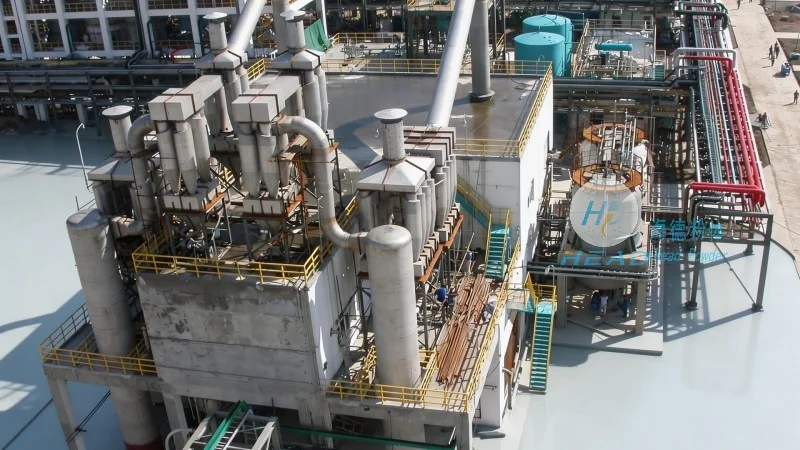
The operational process of coal and coke material handling equipment begins with the material being loaded into the inlet hopper or stockpile. The feeder then regulates the flow of material into the conveyor system, ensuring a consistent feed rate. As the material moves along the conveyor, it is transported to the discharge point, which may be a storage silo, processing unit, or direct to a downstream application. The control system continuously monitors the system's performance, adjusting the feeder speed or conveyor tension as needed to maintain optimal flow. This closed-loop control ensures that the system operates efficiently, minimizing downtime and maximizing throughput. The entire process is designed to be seamless, with each component working in sync to achieve the desired material transport goals. For example, in a coal processing plant, the equipment might start with a hopper feeding coal into a belt conveyor, which transports it to a storage silo for later use in a furnace. The control system ensures that the conveyor speed matches the feed rate, preventing material buildup or spillage.
Working Principle: Mechanical and Control Integration
The working principle of coal and coke material handling equipment combines mechanical engineering with advanced control technology to achieve precise and reliable operation. The mechanical components, such as conveyors and feeders, rely on the principles of friction, gravity, and tension to move the material. For instance, a belt conveyor uses the friction between the belt and the material to pull the load forward, while the tension in the belt is maintained by idlers and pulleys. The feeder components, like vibratory feeders, use mechanical vibrations to agitate the material and ensure uniform flow. On the control side, sensors such as load cells, level detectors, and speed monitors provide real-time data to the control system. This data is processed by automation software, which generates control signals to adjust the feeder speed, conveyor speed, or other parameters. The integration of mechanical and control systems allows for adaptive operation, where the system can respond to changes in material characteristics or load conditions without manual intervention. This synergy between hardware and software is what enables the equipment to operate efficiently and safely, even under varying operational conditions.
Efficiency and Reliability in Coal and Coke Handling
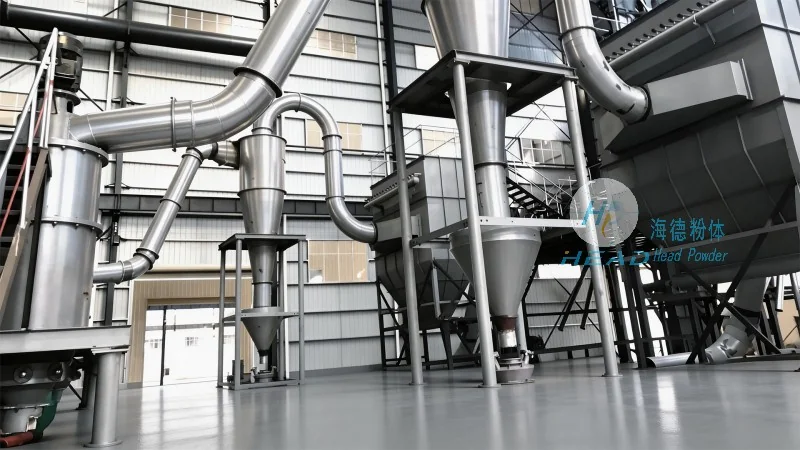
Efficiency and reliability are paramount in coal and coke material handling systems, as any downtime or inefficiency can lead to significant economic losses. HeadPowder's equipment is designed with durability and low maintenance in mind, using high-quality materials and robust construction to withstand the harsh conditions of coal and coke handling. The use of advanced control systems ensures that the equipment operates at optimal performance levels, minimizing energy consumption and maximizing throughput. Additionally, the modular design of the systems allows for easy maintenance and replacement of components, reducing downtime and increasing overall system availability. The company's commitment to quality assurance, including rigorous testing and certification, ensures that each piece of equipment meets or exceeds industry standards. This focus on reliability and efficiency makes HeadPowder's systems a preferred choice for clients seeking dependable material handling solutions.
Application Examples and Industry Impact
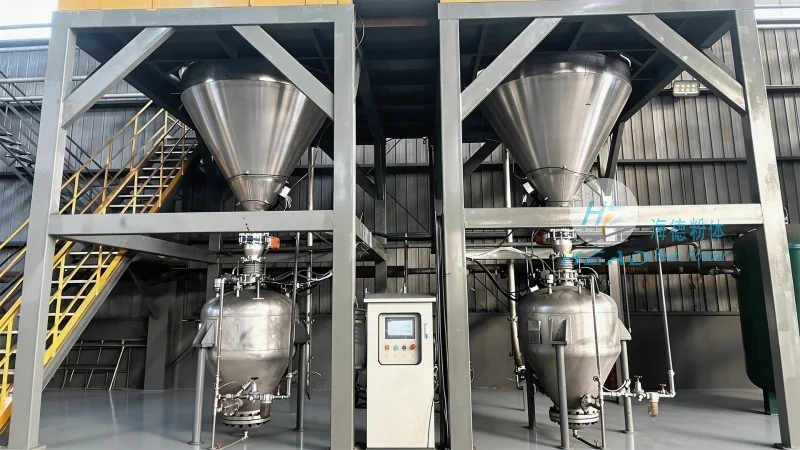
Coal and coke material handling equipment is widely used in various industrial applications, including coal mining, coal processing, and steel production. In coal mining operations, the equipment is used to transport coal from the mine face to processing facilities or storage areas. The high-capacity conveyors and feeders ensure that the material is moved efficiently, even in large-scale mining operations. In coal processing plants, the equipment is used to transport coal to storage silos, where it is then used as fuel in power generation or steel production. The precise control systems allow for the regulation of coal flow, ensuring that the processing units receive the correct amount of material at the right time. In steel production, coke is a critical component in the blast furnace process, and the material handling equipment ensures that coke is transported from the coke ovens to the blast furnace in a controlled manner. The reliability of the equipment is crucial in these applications, as any interruption in coke supply can disrupt the entire production process. HeadPowder's equipment has been successfully implemented in numerous such applications, contributing to improved operational efficiency and reduced costs for its clients.
Conclusion and Future Directions
Coal and coke material handling equipment plays a vital role in the modern industrial landscape, enabling the efficient transport of these essential materials. The operation process and working principles of these systems are a testament to the integration of mechanical engineering and control technology, designed to meet the demanding requirements of the industry. HeadPowder, with its expertise and commitment to quality, continues to innovate and provide advanced material handling solutions that enhance operational efficiency and reliability. As the industry evolves, the company remains focused on developing new technologies and improving existing systems to meet the changing needs of its clients. The future of coal and coke material handling is likely to involve further integration of automation, AI, and data analytics to optimize performance and reduce operational costs. However, the fundamental principles of efficient material transport will remain unchanged, and companies like HeadPowder will continue to play a key role in advancing these technologies.