

Operation Process and Working Principle of Silicon Micropowder Material Handling System Equipment
Shandong HeadPowder Engineering Co., Ltd., a professional manufacturer based in Shandong, China, specializes in the design, development, and production of advanced material handling systems tailored for silicon micropowder applications. The company's focus is on delivering efficient, reliable, and safe equipment that meets the stringent requirements of the powder processing industry.
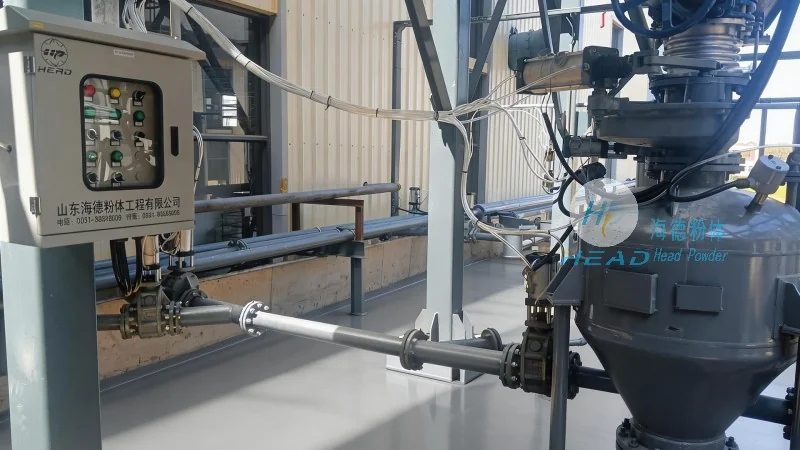
Overview of the Silicon Micropowder Material Handling System
The silicon micropowder material handling system is engineered to handle fine, abrasive powders with precision and control. It integrates multiple components, including feeders, conveyors, and control systems, to ensure seamless material transfer from storage to processing or packaging stages. The system is designed to minimize dust generation, maintain material integrity, and comply with industrial safety standards.
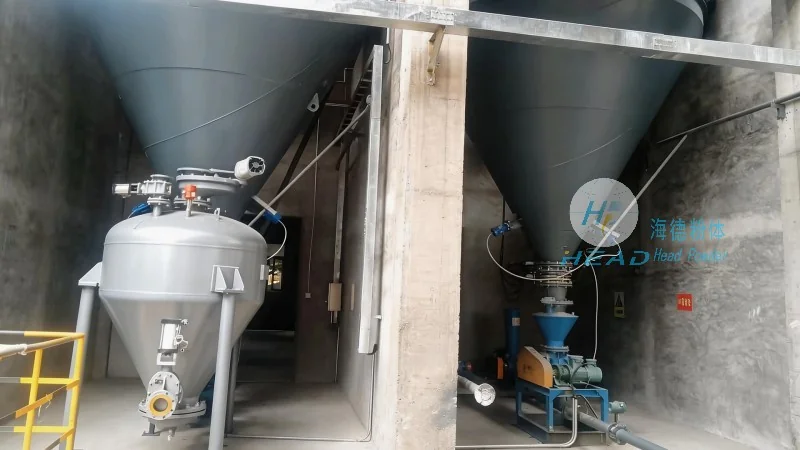
Working Principle of the System
The core working principle of the silicon micropowder material handling system revolves around the controlled movement of powder through a series of mechanical and pneumatic components. At the initial stage, the system uses a hopper or silo to store the silicon micropowder, ensuring a consistent feed. A feeder, typically a rotary or vibratory type, regulates the flow rate of the powder into the conveyor system. The conveyor, which may be a pneumatic or mechanical type, transports the powder to the next processing unit. Control systems, often equipped with sensors and variable frequency drives, monitor and adjust the flow rate, pressure, and speed to maintain optimal performance and prevent material blockages or overloading.
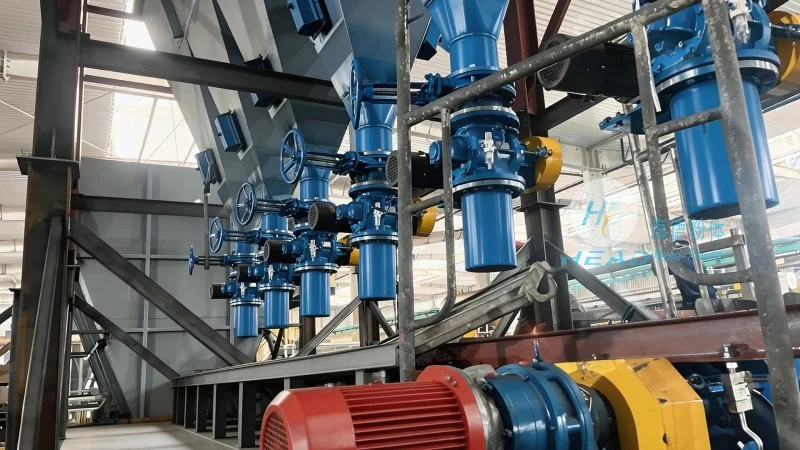
Operation Process of the System
The operation process of the silicon micropowder material handling system begins with the loading of the hopper with silicon micropowder. The feeder then starts, gradually releasing the powder into the conveyor. The conveyor transports the powder to the destination, such as a mixing tank, packaging machine, or storage silo. Throughout the process, the control system continuously monitors key parameters like flow rate, pressure, and temperature. If any abnormal conditions are detected, the system automatically adjusts or stops to prevent damage to equipment or contamination of the material. The system operates in a continuous or batch mode, depending on the production requirements, ensuring flexibility and efficiency in material handling.
Key Features and Technical Advantages
The silicon micropowder material handling system from Shandong HeadPowder Engineering Co., Ltd. offers several technical advantages that enhance its performance and reliability. The system employs dust suppression technologies, such as sealed hoppers and enclosed conveyors, to minimize environmental contamination and ensure operator safety. The use of high-quality materials, including corrosion-resistant components, extends the equipment's service life and maintains material purity. Advanced control systems provide real-time monitoring and data logging, enabling operators to optimize performance and troubleshoot issues efficiently. The system is also designed for easy maintenance, with accessible components and modular design that allows for quick repairs and upgrades.
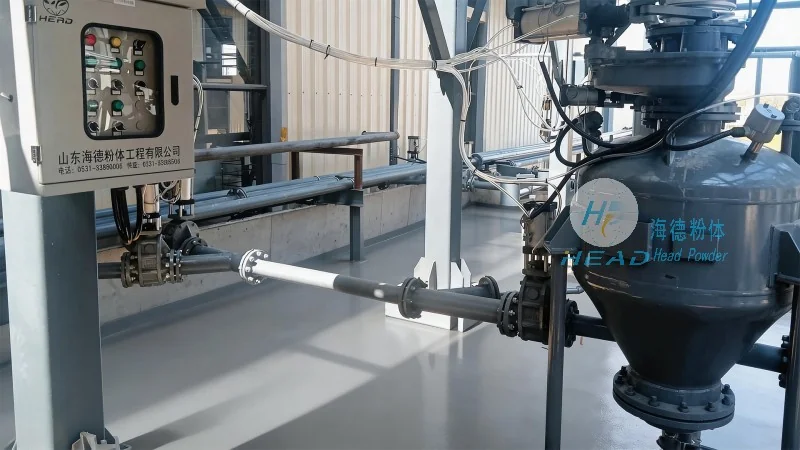
Application and Industry Impact
The silicon micropowder material handling system is widely used in industries that require precise handling of fine powders, including electronics, pharmaceuticals, and chemical manufacturing. By ensuring consistent and controlled material transfer, the system improves production efficiency, reduces material waste, and enhances product quality. The system's reliability and safety features make it an essential component in modern manufacturing processes, contributing to the overall productivity and competitiveness of the industries it serves.