

Operation Process and Working Principle of Potash Fertilizer Powder Pneumatic Conveying Equipment
HeadPowder, a leading manufacturer based in Shandong, China, specializes in the design and production of advanced pneumatic conveying systems for potash fertilizer. The equipment is engineered to efficiently transport bulk potash fertilizer powder from storage silos or production lines to processing units or packaging stations. This article delves into the operational process and underlying principles of such systems, highlighting their efficiency, reliability, and key components.
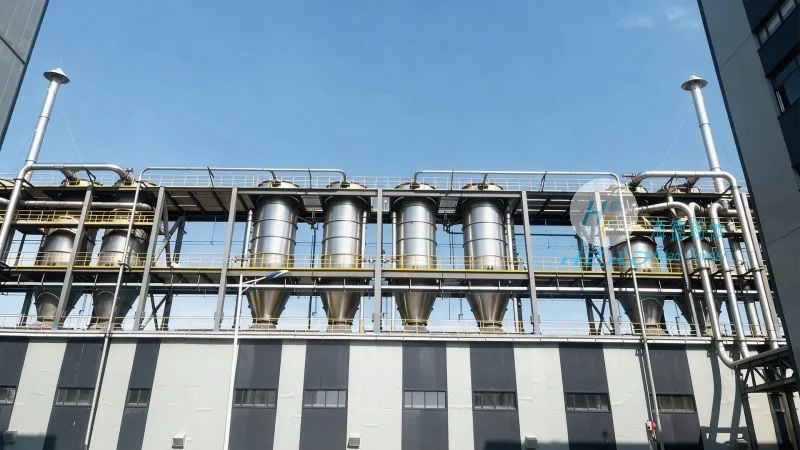
Key Components of the Pneumatic Conveying System
The potash fertilizer powder pneumatic conveying equipment typically consists of several critical components that work in tandem to ensure smooth material transport. These include the hopper for material storage, a rotary valve or feeder to control the flow rate, a conveying pipeline network, a positive displacement blower or air compressor to generate the necessary air pressure, and a receiver or discharge hopper at the destination. Each component plays a vital role in maintaining the system's performance and preventing material degradation or blockages.
Working Principle of the Pneumatic Conveying Process
The operation of the potash fertilizer powder pneumatic conveying system is based on the principle of air suspension, where the fertilizer particles are entrained and transported by a high-velocity air stream. The process begins with the material being discharged from the hopper into the feeder. The feeder then regulates the flow rate, ensuring a consistent supply of powder to the conveying line. Simultaneously, the blower generates a high-pressure air flow that enters the pipeline. As the air travels through the pipeline, it picks up the fertilizer particles, forming a dense slurry or dilute phase mixture depending on the system design. The mixture is then transported to the receiving hopper at the end of the pipeline. The air and powder are separated in the receiver, with the air being recirculated back to the blower and the powder collected for further processing or packaging.
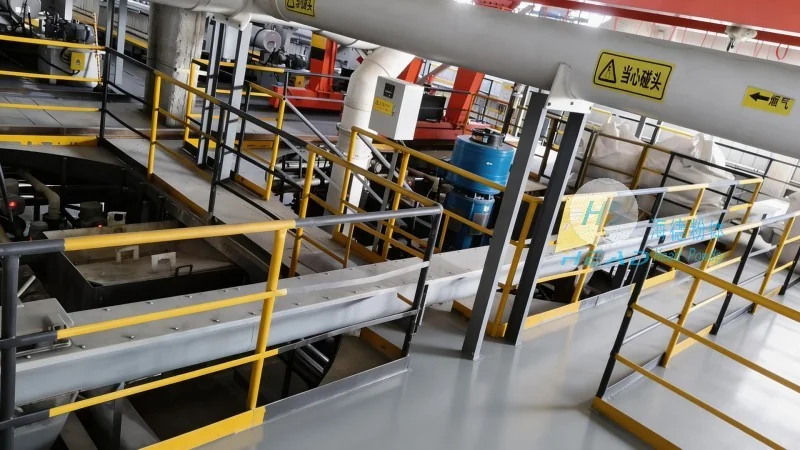
Operation Process: Step-by-Step Overview
The operational process of the potash fertilizer powder pneumatic conveying equipment can be broken down into several sequential steps, each designed to optimize efficiency and minimize downtime. The first step involves material loading into the storage hopper, where the potash fertilizer is stored under controlled conditions to prevent caking or moisture absorption. Once the hopper is filled, the rotary valve or feeder starts to discharge the material at a pre-set rate. The feeder ensures a uniform flow, preventing overloading or underloading of the conveying line. The second step is the air supply phase, where the blower or air compressor activates and generates the required air pressure. The air is then introduced into the conveying pipeline, creating a positive pressure environment that pulls the material from the feeder into the pipeline. The third step is the transport phase, where the air-powder mixture travels through the pipeline network to the receiving hopper. The pipeline design, including bends, elbows, and expansion joints, is carefully engineered to minimize pressure loss and prevent material deposition. The fourth step is the separation and discharge phase, where the mixture enters the receiver. The receiver uses a cyclone or other separation device to separate the air from the powder. The separated air is recirculated back to the blower, while the powder is collected in the discharge hopper and prepared for the next stage of processing or packaging. Throughout the process, the system monitors key parameters such as air pressure, flow rate, and material level to ensure optimal performance and detect any anomalies that may require maintenance or adjustment.
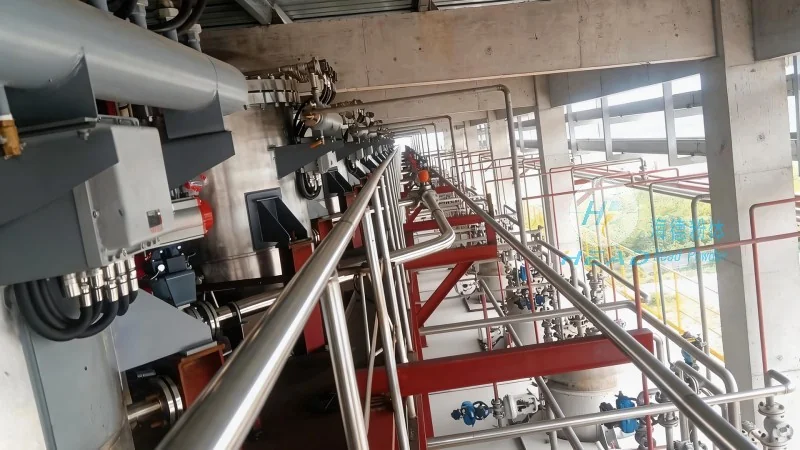
Advantages of Using Pneumatic Conveying for Potash Fertilizer
Compared to traditional mechanical conveying methods like screw conveyors or belt conveyors, pneumatic conveying offers several advantages for potash fertilizer applications. Firstly, it provides a fully enclosed system, which helps maintain product quality by preventing contamination from external sources and reducing dust emissions. This is particularly important for potash fertilizer, which can be hygroscopic and prone to caking if exposed to moisture or air. Secondly, pneumatic conveying systems are highly flexible, allowing for changes in material flow direction and destination without the need for extensive reconfiguration. This flexibility is beneficial in industrial settings where production lines may need to be reorganized or expanded. Thirdly, the system is capable of handling a wide range of particle sizes and moisture contents, making it suitable for various potash fertilizer products. Additionally, the enclosed design reduces labor costs associated with manual handling and handling of dust, improving workplace safety. Finally, the efficiency of the system in terms of energy consumption and material throughput makes it a cost-effective solution for large-scale potash fertilizer processing facilities.
Maintenance and Operational Considerations
To ensure the long-term reliability and efficiency of the potash fertilizer powder pneumatic conveying equipment, regular maintenance and proper operational practices are essential. Regular inspection of the hopper and feeder for material buildup or caking is crucial to prevent blockages and maintain consistent flow rates. The rotary valve or feeder should be checked for wear and tear, and lubricated as needed to ensure smooth operation. The conveying pipeline should be inspected for any signs of corrosion or damage, and cleaned periodically to remove any accumulated material or debris. The blower or air compressor should be checked for proper air pressure and flow rates, and its filters should be replaced regularly to prevent clogging and maintain optimal performance. The receiver and separation system should be inspected for any signs of wear or inefficiency, and cleaned as needed to ensure effective air-powder separation. Operational considerations also include monitoring the system's performance parameters, such as air pressure, flow rate, and material level, to detect any deviations from normal operation. Prompt maintenance and adjustments can prevent system failures and minimize downtime, ensuring the smooth operation of the potash fertilizer processing facility.