

Operation Process and Working Principle of Fiber Powder Pneumatic Conveying Lines
Fiber powder, such as wood pulp, paper fibers, or other fibrous materials, often requires efficient and reliable transportation systems to move from storage to processing or packaging areas. Pneumatic conveying lines offer a solution that combines flexibility, cleanliness, and the ability to handle fine or abrasive materials. This article explores the operation process and working principles of fiber powder pneumatic conveying lines, highlighting the key components, operational steps, and technical aspects that ensure effective material handling.
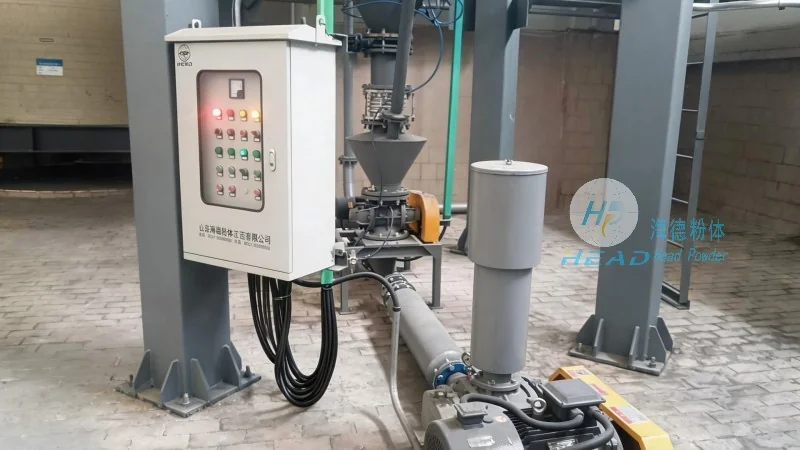
Key Components of a Fiber Powder Pneumatic Conveying System
A typical fiber powder pneumatic conveying line consists of several essential components that work in tandem to transport the material. The main parts include a hopper or storage silo for material feeding, a feeder (often a rotary valve or screw feeder) to control the flow rate, a conveying pipeline (usually made of stainless steel or other corrosion-resistant materials to handle fibrous materials), a vacuum or pressure source (such as a blower or compressor), and a receiver or discharge hopper where the material is deposited. Each component plays a critical role in maintaining the system's efficiency and preventing material degradation or blockages.
Operation Process of Fiber Powder Pneumatic Conveying
The operation of a fiber powder pneumatic conveying line involves a series of steps designed to ensure smooth and continuous material transport. The process typically begins with the material being fed from the storage hopper into the feeder. The feeder regulates the flow rate, ensuring a consistent supply of fiber powder to the conveying line. Simultaneously, the blower or compressor generates the necessary air pressure or vacuum to move the material through the pipeline. As the air and material mixture travels through the pipeline, the fibrous particles are suspended and carried to the receiver. The receiver then collects the material, and the air is either filtered and recycled or vented to the atmosphere. The entire process is controlled by a system of valves, sensors, and controls that monitor pressure, flow rate, and material level, ensuring optimal performance and safety.
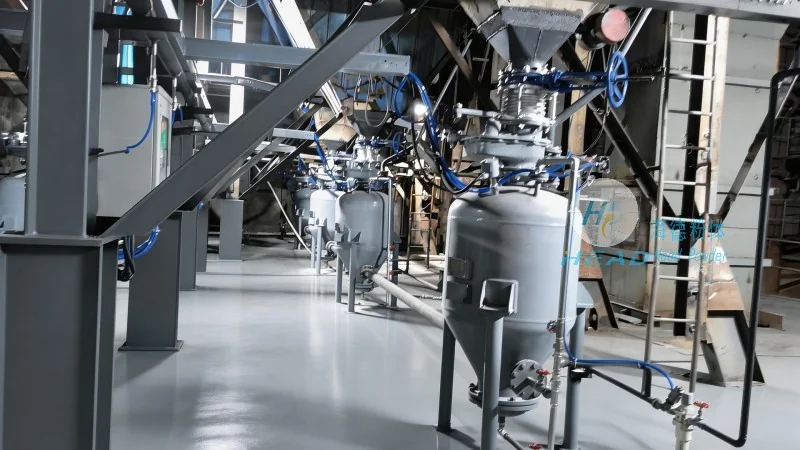
Working Principle of Pneumatic Conveying for Fiber Powders
The working principle of pneumatic conveying for fiber powders relies on the interaction between air and the fibrous material. In a pressure system, the blower increases the air pressure inside the pipeline, pushing the material forward. The material is suspended in the air stream, and the velocity of the air is maintained above the minimum fluidization velocity to prevent settling or blockages. In a vacuum system, the blower creates a negative pressure that draws the material from the hopper into the pipeline. The fibrous particles are carried by the air flow, and the system's design ensures that the air velocity remains sufficient to keep the particles in suspension. The choice between pressure and vacuum systems depends on factors such as the distance to be covered, the material's properties, and the system's layout. For fiber powders, which can be abrasive or have specific handling requirements, the system is often designed with features like smooth pipelines, appropriate air velocities, and filtration to prevent wear and maintain material quality.
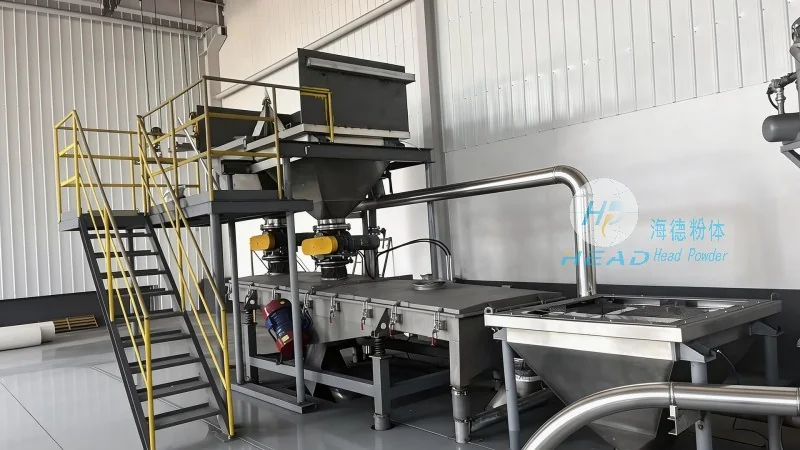
Benefits of Using Fiber Powder Pneumatic Conveying Lines
Implementing a pneumatic conveying line for fiber powders offers several advantages over traditional methods like belt conveyors or bucket elevators. These systems provide a clean and dust-free environment, which is crucial for handling materials that can be sensitive to contamination or cause respiratory issues. Pneumatic conveying also reduces the risk of material degradation due to friction or exposure to air, as the material is enclosed within the pipeline. Additionally, the system is flexible and can be easily integrated into existing production lines, allowing for changes in material flow or processing requirements. The ability to handle fine or abrasive materials without the need for additional equipment makes pneumatic conveying a cost-effective and efficient solution for many industrial applications.
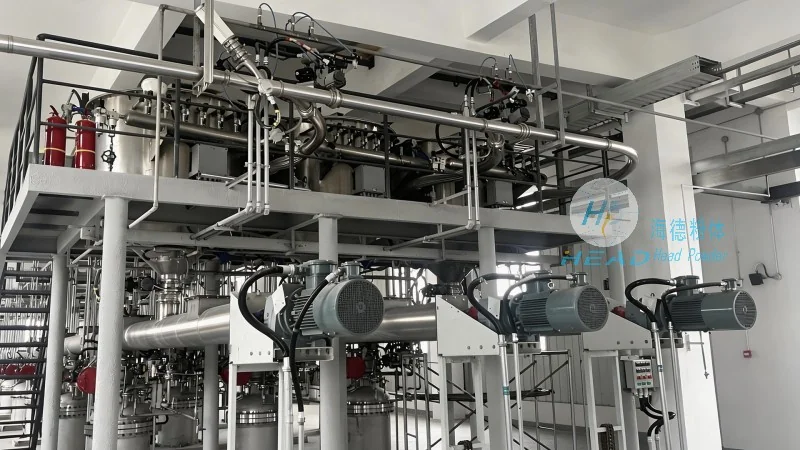
Applications in the Fiber and Paper Industry
Fiber powder pneumatic conveying lines are widely used in the paper and pulp industry, where they transport raw materials like wood chips or recycled paper fibers from storage to processing units. The system is also applicable in the production of fiber-based composites, where the fibrous material is mixed with other components for manufacturing. In these applications, the efficiency and reliability of the pneumatic conveying line are critical to maintaining production throughput and ensuring product quality. The system's ability to handle high volumes of material and maintain consistent flow rates helps in optimizing production processes and reducing downtime.
About Shandong HeadPowder Engineering Co., Ltd.
Shandong HeadPowder Engineering Co., Ltd., operating under the brand name headpowder, is a leading provider of pneumatic conveying solutions for fiber and powder materials. With a focus on innovation and customer satisfaction, the company specializes in designing and manufacturing customized fiber powder pneumatic conveying lines tailored to the specific needs of its clients. Headpowder's expertise lies in understanding the unique challenges of handling fibrous materials, such as wood pulp or paper fibers, and developing systems that address these challenges effectively. The company's facilities are located in Shandong, China, where it leverages advanced technology and skilled personnel to deliver high-quality, reliable equipment. By combining technical expertise with a customer-centric approach, headpowder ensures that its clients receive solutions that enhance their operational efficiency and support their long-term business goals.