

Operation Process and Working Principle of a Tri-metal Positive Electrode Material Powder Pneumatic
Shandong HeadPowder Engineering Co., Ltd., commonly known as headpowder, is a professional manufacturer and supplier specializing in the design, production, and installation of advanced powder handling systems. HeadPowder is headquartered in Shandong, China, and has established a strong reputation in the industry for delivering high-quality solutions tailored to the needs of clients in the battery materials sector. The company's commitment to innovation and precision engineering ensures that its products meet the stringent requirements of modern manufacturing processes.
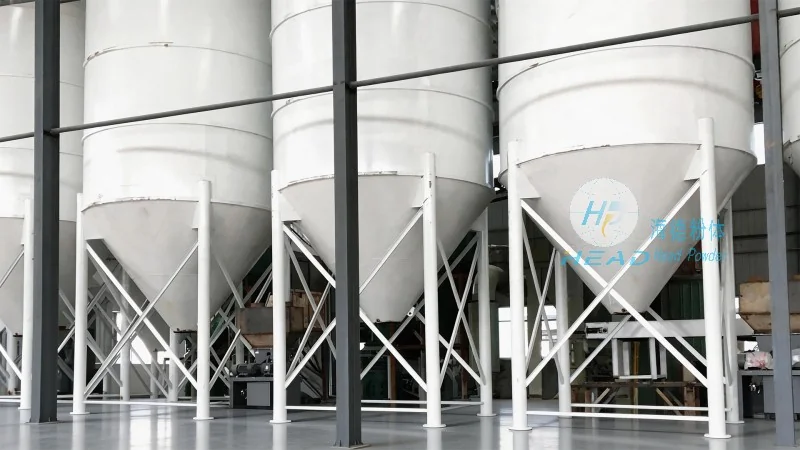
Introduction to Tri-metal Positive Electrode Material Powder Pneumatic Conveying Line
A tri-metal positive electrode material powder pneumatic conveying line is a specialized system designed to transport fine powders, such as those used in lithium-ion battery cathode materials. These materials typically consist of active ingredients like nickel, cobalt, and manganese, which are critical for the performance of rechargeable batteries. The conveying line is engineered to handle these sensitive materials with minimal risk of contamination, degradation, or loss, ensuring that the final product maintains its quality and consistency.
Operation Process of the Pneumatic Conveying Line
The operation of a tri-metal positive electrode material powder pneumatic conveying line involves several key steps that work in sequence to ensure efficient and reliable material transport. The process begins with the loading of the powder into a hopper or feeder, where the material is stored before being introduced into the system. From the hopper, the powder is fed into a conveyor line that uses compressed air to move the material through a series of pipes and ducts. The system may employ either positive pressure or negative pressure (or a combination of both) to create the necessary airflow that propels the powder particles. As the material travels through the pipeline, it is separated from the air stream at the discharge point, where it is collected in a receiving container or directly fed into the next stage of the production process.
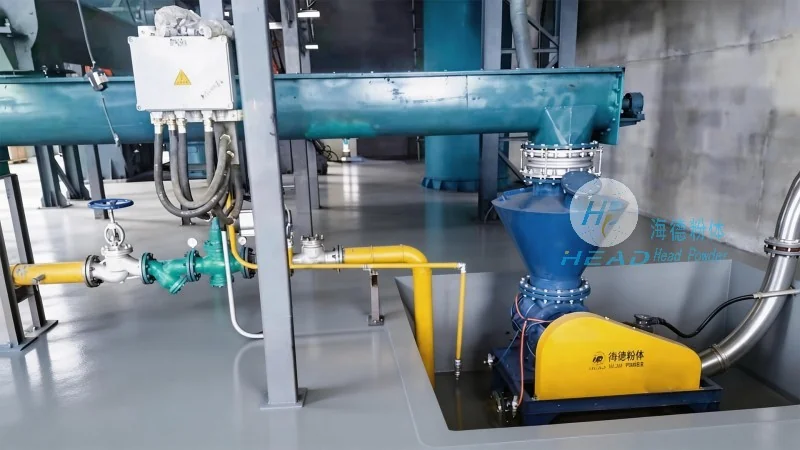
Working Principle of the Pneumatic Conveying System
The working principle of a pneumatic conveying line for tri-metal positive electrode materials is based on the fundamental physics of fluid dynamics and particle transport. In a positive pressure system, compressed air is introduced into the conveying line, creating a high-pressure environment that forces the powder particles to move forward. The air and powder mixture travels through the pipeline, with the air providing the necessary momentum to overcome the resistance of the particles. In a negative pressure system, the air is drawn out of the line, creating a vacuum that pulls the powder particles into the system. The choice between positive and negative pressure, or a hybrid approach, depends on factors such as the material's properties, the distance to be conveyed, and the required flow rate. The system is equipped with various components, including air compressors, filters, and control valves, to regulate the airflow and maintain optimal operating conditions. These components work together to ensure that the powder is transported smoothly and without clogging or degradation.
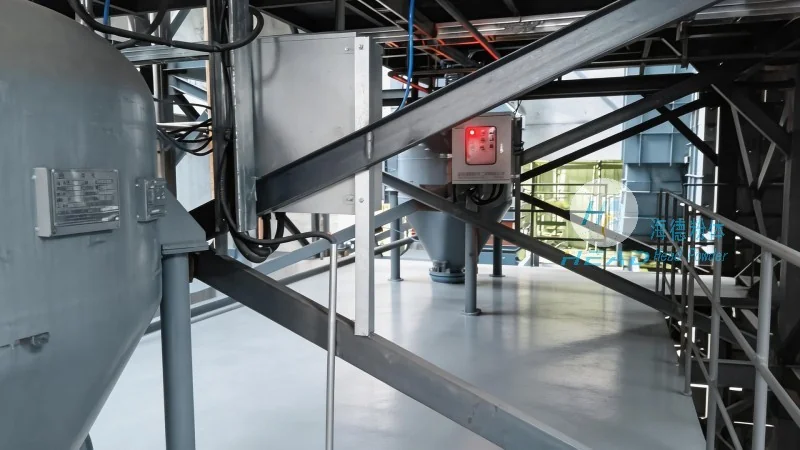
Key Features and Benefits of the Conveying Line
The tri-metal positive electrode material powder pneumatic conveying line from headpowder offers several advantages that make it an ideal solution for battery material manufacturers. One of the primary benefits is its ability to handle fine, abrasive powders without causing wear or damage to the system components. The system is designed with high-quality materials, such as stainless steel and special alloys, to resist corrosion and maintain durability over long-term operation. Additionally, the conveying line is equipped with advanced control systems that allow for precise regulation of the material flow rate, ensuring consistent and reliable delivery of the powder to the next processing stage. The system also minimizes the risk of cross-contamination, as it operates in a closed environment, preventing exposure to external elements or human interference. This feature is particularly important for sensitive materials like tri-metal cathode powders, which require strict quality control to meet industry standards.
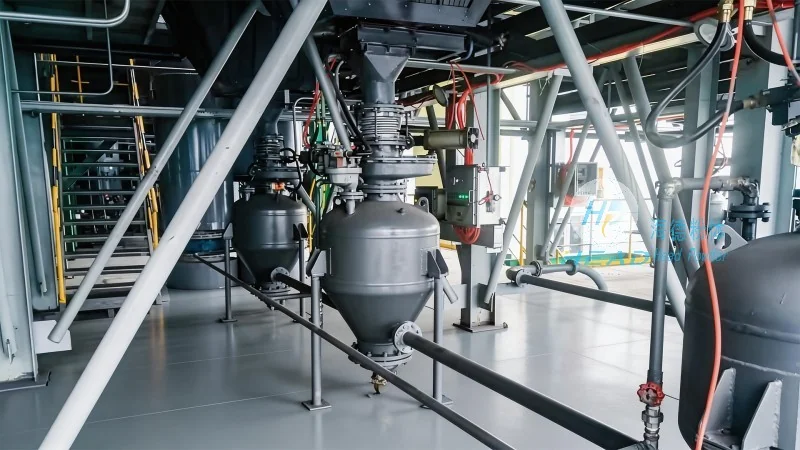
Application in Battery Manufacturing
The tri-metal positive electrode material powder pneumatic conveying line plays a crucial role in the battery manufacturing process, particularly in the production of lithium-ion batteries. The system is used to transport the cathode material from the mixing and drying stages to the coating and forming stages, where it is combined with other components to create the final electrode. By using a pneumatic conveying line, manufacturers can achieve high throughput and reduce the risk of material loss or degradation during transport. The system's ability to handle fine powders efficiently and with minimal dust generation also contributes to a cleaner and safer working environment. Furthermore, the closed-loop design of the conveying line helps to maintain the purity of the material, which is essential for achieving high battery performance and longevity.
Conclusion
Shandong HeadPowder Engineering Co., Ltd. provides a reliable and efficient tri-metal positive electrode material powder pneumatic conveying line that meets the demanding requirements of modern battery material production. The system's advanced design, robust construction, and precise control capabilities ensure that it delivers consistent performance and high-quality results. With its headquarters in Shandong, China, headpowder continues to innovate and provide tailored solutions to clients worldwide, helping to advance the battery industry and support the growing demand for sustainable energy solutions.