

Operation Process and Working Principle of Automatic Weighing Material Pneumatic Conveying
HeadPowder, a leading provider of industrial material handling solutions, specializes in advanced pneumatic conveying systems designed for efficient and precise material transport. This article explores the operation process and working principles of an automatic weighing material pneumatic conveying system, highlighting how such technology enhances productivity and accuracy in various industrial applications.
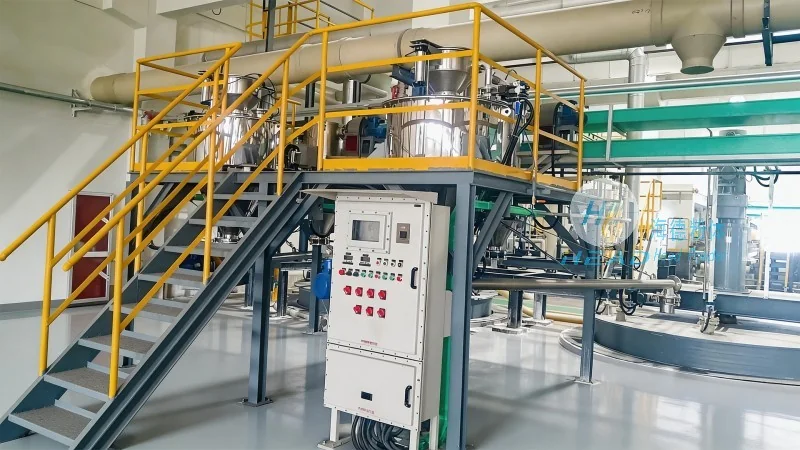
Introduction to Pneumatic Conveying Systems
Pneumatic conveying systems are essential in industries that require the safe and efficient transfer of bulk materials over short to medium distances. These systems utilize air or other gases to move materials through a pipeline network, eliminating the need for mechanical components like belts or rollers. The integration of automatic weighing technology further enhances the system's capabilities, enabling real-time monitoring and control of material flow rates and inventory levels.
Key Components of the Automatic Weighing Pneumatic Conveying System
The automatic weighing material pneumatic conveying system consists of several critical components that work in tandem to ensure smooth operation. These include a material hopper for storage, a rotary valve or feeder to control material discharge, a conveying pipeline with air supply and pressure regulation, a dust filter to maintain air quality, and an integrated weighing scale or load cell to monitor the material mass being transported. Each component plays a vital role in the overall functionality of the system, contributing to its reliability and performance.
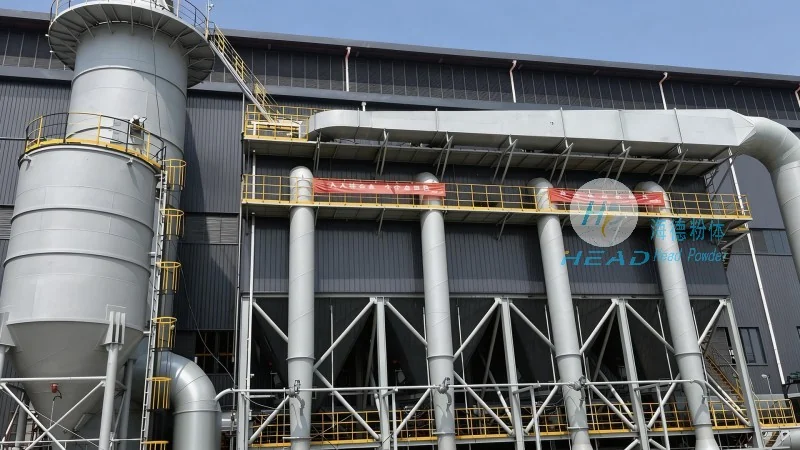
Operation Process: Step-by-Step Overview
The operation of the automatic weighing material pneumatic conveying system follows a systematic sequence of steps to ensure accurate and efficient material transfer. The process begins with the loading of bulk material into the storage hopper. Once the hopper is filled, the rotary valve or feeder activates, releasing a controlled amount of material into the conveying pipeline. Simultaneously, the air compressor generates the necessary air pressure to propel the material through the pipeline. The material travels through the pipeline, passing through the weighing scale or load cell, which continuously measures the mass of material being conveyed. The system then processes this data to adjust the air pressure or material feed rate as needed to maintain the desired flow rate and prevent overloading or underloading.
Working Principle: How the System Functions
The working principle of the automatic weighing material pneumatic conveying system is based on the principles of fluid dynamics and material handling. The system operates by creating a pressure differential between the inlet and outlet of the conveying pipeline. The air compressor supplies compressed air, which is introduced into the pipeline at the inlet, creating a high-pressure zone. As the material is introduced into the pipeline, it is suspended and carried by the air stream, moving towards the outlet. The weighing scale or load cell is strategically placed in the pipeline to measure the mass of material passing through at any given time. This measurement is crucial for maintaining consistent material flow rates and ensuring that the system operates within optimal parameters. The system's control unit processes the data from the weighing scale and adjusts the air pressure or material feed rate to maintain the desired output, thereby achieving precise control over the material transfer process.
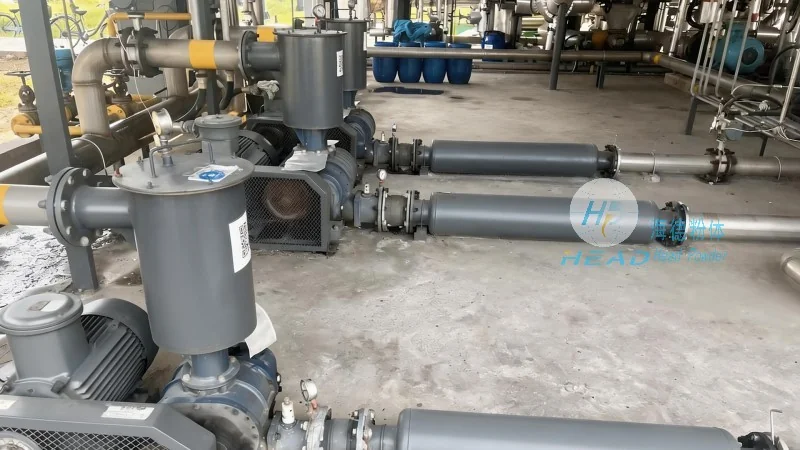
Benefits of Automatic Weighing Pneumatic Conveying
The integration of automatic weighing technology in pneumatic conveying systems offers numerous benefits for industrial operations. These include improved accuracy in material measurement, reduced human error, enhanced process control, and increased operational efficiency. By continuously monitoring the material mass being conveyed, the system can detect and correct deviations in flow rates, preventing material loss or overloading. Additionally, the automatic weighing feature allows for real-time inventory management, enabling businesses to track material levels and plan production schedules more effectively. The system's ability to operate in a closed environment also helps maintain product quality and reduces the risk of contamination, making it suitable for a wide range of applications, including food processing, pharmaceuticals, and chemical manufacturing.
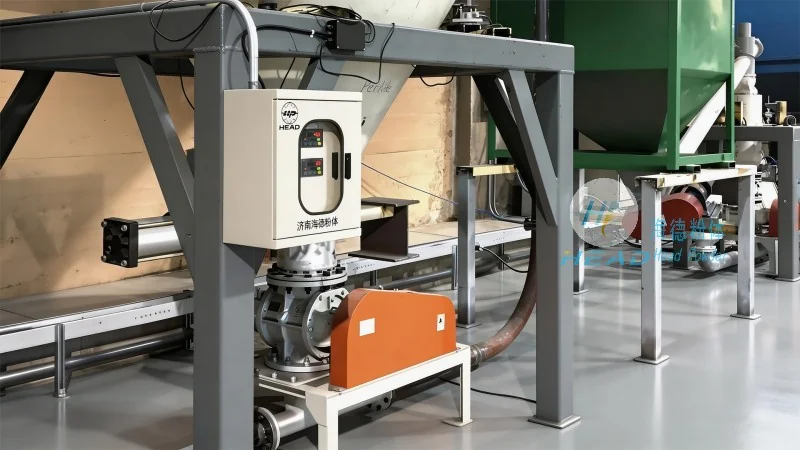
Applications and Industries
The automatic weighing material pneumatic conveying system is widely used in various industries where bulk material handling is essential. In the food and beverage industry, it is used for transporting grains, powders, and other food products with high precision and hygiene standards. In the pharmaceutical industry, the system ensures that active ingredients and raw materials are transferred accurately and under controlled conditions, meeting stringent regulatory requirements. The chemical industry also benefits from this technology, as it allows for the safe and efficient handling of hazardous materials while maintaining precise control over the process. Other applications include the mining and minerals sector, where the system is used for transporting ores and other bulk materials over longer distances with minimal maintenance.
Conclusion
HeadPowder's automatic weighing material pneumatic conveying system represents a cutting-edge solution for industrial material handling, combining advanced technology with reliable performance. By understanding the operation process and working principles of such systems, businesses can leverage this technology to enhance productivity, improve accuracy, and streamline their material transfer processes. With its robust design and integrated weighing capabilities, the system is an ideal choice for industries seeking to optimize their operations and meet the demands of modern manufacturing.