

Operating Process and Working Principle of Zinc Oxide Material Pneumatic Conveying
Zinc oxide is a critical material in numerous industrial sectors, including pharmaceuticals, chemicals, and food processing. Its efficient handling is essential for maintaining production efficiency and ensuring product quality. Pneumatic conveying systems provide a reliable and effective method for transporting zinc oxide, offering advantages such as reduced contamination, improved safety, and increased flexibility. This article delves into the operating process and working principle of pneumatic conveying for zinc oxide, providing a comprehensive overview of the technology and its applications.
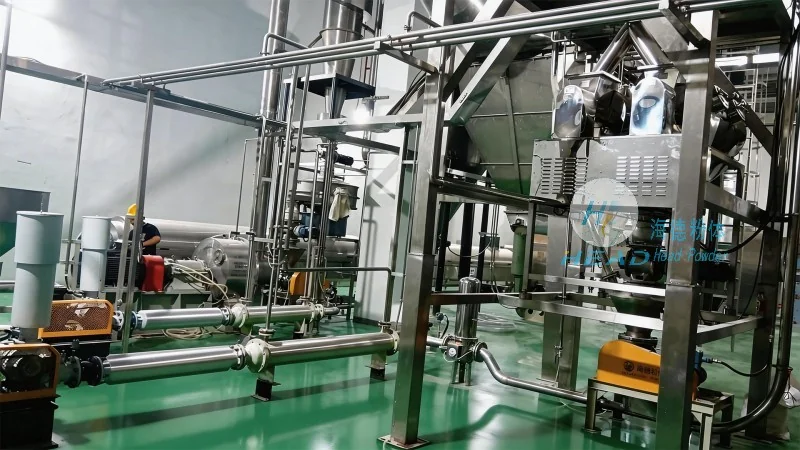
About HeadPowder Engineering
HeadPowder Engineering, a leading manufacturer of material handling solutions, specializes in the design and production of advanced pneumatic conveying systems. With a strong focus on innovation and customer satisfaction, HeadPowder has established itself as a trusted partner for businesses seeking efficient material transport solutions. The company’s headquarters is located in Shandong, China, where it leverages local expertise and resources to develop high-quality products tailored to the unique needs of various industries. HeadPowder’s commitment to quality and performance has earned it a reputation for excellence in the material handling industry.
Components of a Pneumatic Conveying System for Zinc Oxide
A pneumatic conveying system for zinc oxide typically consists of several key components that work in harmony to facilitate material transport. The primary components include a material hopper for storage, a feeder to regulate the flow rate, a conveying line (either positive or negative pressure), a filter to capture fine particles, and a dust collector to ensure environmental compliance. The hopper is designed to hold a sufficient quantity of zinc oxide, allowing for continuous operation without frequent refilling. The feeder, often a rotary valve or screw feeder, controls the rate at which material is discharged into the conveying line, preventing overloading or underloading of the system. The conveying line, made of durable materials such as stainless steel or plastic, is designed to withstand the abrasive nature of zinc oxide particles and the pressure or vacuum conditions required for operation. The filter and dust collector are critical for maintaining air quality and preventing the release of fine particles into the environment, ensuring compliance with environmental regulations.
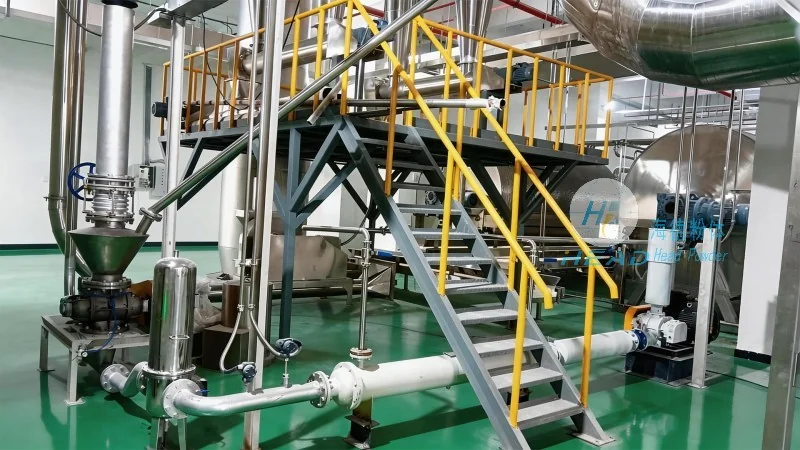
Operating Process of Zinc Oxide Pneumatic Conveying
The operating process of a pneumatic conveying system for zinc oxide involves a series of sequential steps that ensure smooth and efficient material movement. The process begins with the loading of zinc oxide into the hopper from a bulk storage container or silo. The feeder then regulates the flow of material from the hopper into the conveying line, controlling the discharge rate based on the system’s requirements. In a positive pressure system, compressed air is introduced into the conveying line, creating a pressure differential that pushes the zinc oxide forward. The air velocity is carefully controlled to maintain a stable flow rate, preventing blockages or excessive wear on the system components. In a negative pressure system, a vacuum is created at the receiving end, drawing the material and air through the line. The air flow rate is adjusted to ensure that the material is transported without degradation or loss. The material is then discharged at the receiving end into a storage bin or processing equipment, completing the transport cycle. Throughout the process, the filter and dust collector continuously operate to capture any fine particles that may escape, ensuring that the air is clean and the material is free from contamination.
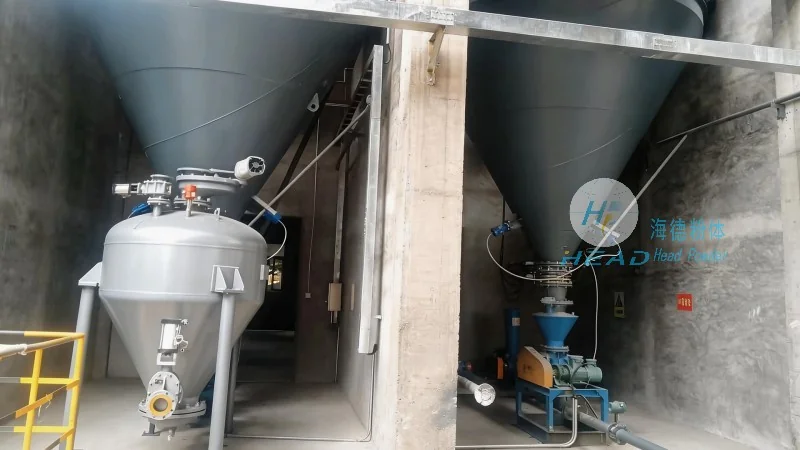
Working Principle of Pneumatic Conveying for Zinc Oxide
The working principle of pneumatic conveying for zinc oxide is based on the fundamental concept of using air as the conveying medium to move the material through a pipeline. In positive pressure systems, compressed air is supplied to the conveying line, creating a pressure higher than the ambient air pressure. This pressure differential propels the zinc oxide particles forward, with the air velocity being sufficient to keep the particles suspended and prevent settling. The system is designed to handle the specific characteristics of zinc oxide, such as its particle size (typically ranging from 10 to 200 microns), density (approximately 5.6 g/cm³), and flowability, ensuring optimal performance. In negative pressure systems, a vacuum is created at the receiving end, drawing the material and air through the line. The air flow rate is controlled to maintain a stable flow rate, preventing the material from being drawn too quickly or too slowly. The system’s design takes into account the material’s aerodynamic properties, ensuring that the particles remain in suspension and are transported efficiently. The use of air as the conveying medium also allows for the transportation of materials over long distances, with minimal energy consumption compared to other methods such as mechanical conveying.
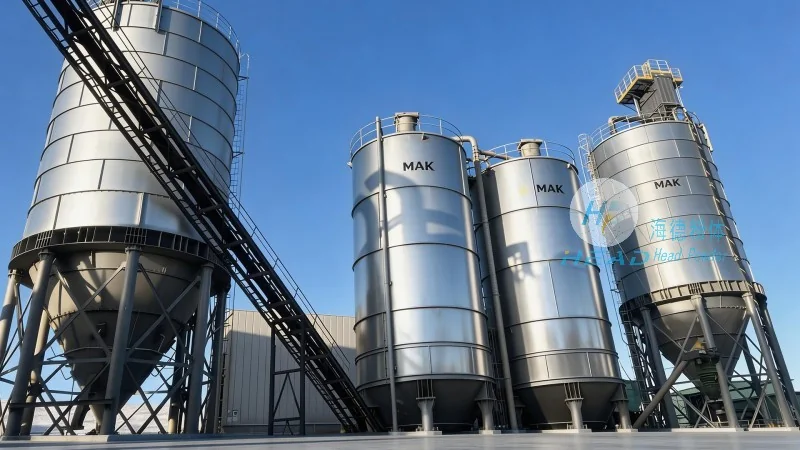
Advantages of Pneumatic Conveying for Zinc Oxide
Pneumatic conveying offers several significant advantages for the transportation of zinc oxide, making it a preferred choice for many industries. One of the key advantages is the ability to transport materials without the need for mechanical components, such as conveyor belts or buckets. This reduces the risk of material contamination and damage, which is particularly important for materials like zinc oxide that are used in sensitive applications. The system is also highly flexible, allowing for easy integration with existing production lines and equipment. It can be configured to handle various material types and particle sizes, making it suitable for a wide range of industrial applications. Additionally, pneumatic conveying reduces the need for manual handling, improving workplace safety and reducing labor costs. The system can be automated to operate continuously, minimizing downtime and increasing overall productivity. Finally, the use of air as the conveying medium is energy-efficient, with lower operational costs compared to other methods, contributing to the overall cost-effectiveness of the system.
Applications of Zinc Oxide Pneumatic Conveying Systems
Zinc oxide pneumatic conveying systems are widely utilized in various industries due to their versatility and efficiency. In the pharmaceutical industry, the system is used to transport zinc oxide for the production of medications, supplements, and cosmetics. The system ensures that the material is handled in a sterile and controlled environment, preventing contamination and maintaining product quality. In the chemical industry, the system is employed in the production of pigments, coatings, and other chemical products, where zinc oxide is used as a filler or additive. The system’s ability to handle fine particles and maintain a consistent flow rate is crucial for achieving uniform product quality. In the food processing industry, zinc oxide is used as a food additive and supplement, and the pneumatic conveying system ensures that the material is transported safely and hygienically, meeting strict regulatory standards. The system is also used in the manufacturing of rubber and plastic products, where zinc oxide is used as a reinforcing agent. Overall, the applications of zinc oxide pneumatic conveying systems are diverse, reflecting the material’s importance in various industrial sectors.