

Operation Process and Working Principle of PEARL SALT Granular Material Pneumatic Conveying
Shandong HeadPowder Engineering Co., Ltd., commonly known as headpowder, specializes in providing advanced solutions for material handling, particularly in the field of pneumatic conveying systems. With a focus on efficient and reliable transportation of granular materials like PEARL SALT, the company leverages its expertise to deliver tailored systems that meet the specific needs of industrial applications. The company is located in Shandong, China, and has established itself as a leading provider of pneumatic conveying solutions for various industries, including food processing, chemical manufacturing, and pharmaceuticals.

Operation Process of Pneumatic Conveying for PEARL SALT Granular Materials
The operation process of pneumatic conveying for PEARL SALT granular materials involves several key steps that ensure efficient material transport from the source to the destination. The process begins with the loading of the PEARL SALT granules into the hopper or feeder. From there, the material is drawn into the conveying line by a vacuum or pressure system, depending on the specific design of the pneumatic conveyor. The conveying medium, typically air, is introduced into the system to create a flow that carries the PEARL SALT particles through the pipeline. As the material travels, it may encounter various components such as bends, filters, and separation devices that help maintain the integrity of the material and ensure smooth operation. The process concludes when the PEARL SALT granules are deposited at the discharge point, completing the material transfer. The entire operation is monitored for pressure, flow rate, and material level to ensure optimal performance and prevent downtime. The system is designed to handle varying loads and material characteristics, making it suitable for continuous production environments.
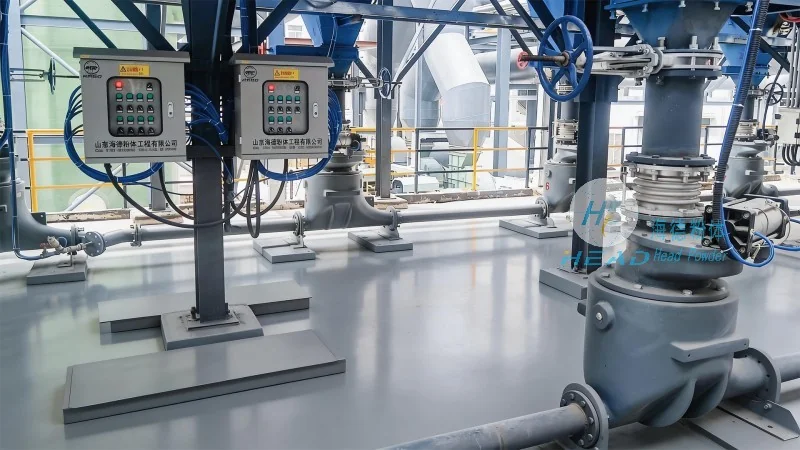
Working Principle of Pneumatic Conveying Systems for PEARL SALT
The working principle of pneumatic conveying systems for PEARL SALT granular materials is based on the fundamental principle of fluid dynamics, where the conveying medium (air) is used to transport solid particles. In a pressure system, compressed air is introduced into the conveying line, creating a pressure differential that pushes the PEARL SALT granules forward. The velocity of the air and the size of the particles determine the efficiency of the conveying process. In a vacuum system, a vacuum pump creates a negative pressure that draws the PEARL SALT particles into the system. The system is designed to maintain the appropriate air-to-material ratio to ensure that the particles are adequately suspended and transported without causing blockages or degradation. The components of the system, including the hopper, feeder, pipeline, and discharge device, work in harmony to achieve consistent and reliable material transfer. The use of high-quality materials for the pipeline and components, such as stainless steel or corrosion-resistant plastics, ensures durability and resistance to the abrasive nature of PEARL SALT particles, which can cause wear and tear over time.
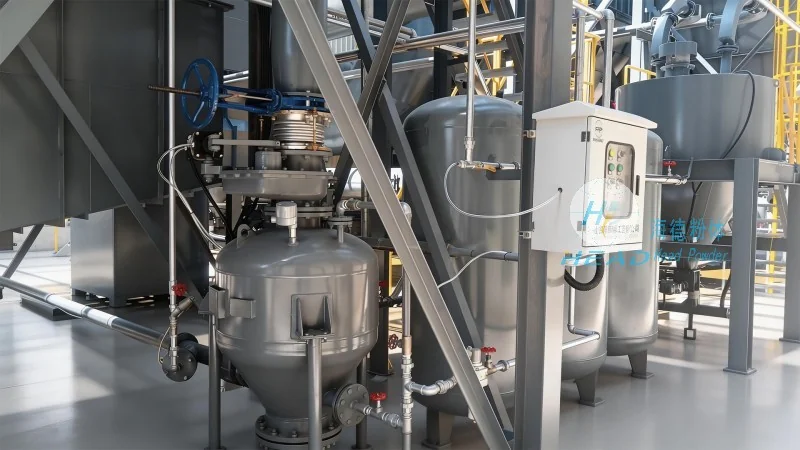
Key Components and Their Roles in Pneumatic Conveying for PEARL SALT
Several key components are integral to the efficient operation of pneumatic conveying systems for PEARL SALT granular materials. The hopper or silo serves as the storage and feeding unit, where the PEARL SALT is held before being transferred. The feeder, typically a rotary valve or screw feeder, controls the flow rate of the material into the conveying line, ensuring a consistent and controlled feed. The conveying line, made of durable materials like stainless steel or PVC, transports the PEARL SALT particles. Elbows and tees are used to change the direction of the flow, while filters and separators remove any dust or debris that may be present in the material. The discharge device, such as a receiver or silo, collects the PEARL SALT at the end of the conveying line. Each component is designed to work together to maintain the quality of the material and ensure smooth operation. The system may also include a control panel that monitors and adjusts the pressure, flow rate, and material level in real-time, allowing for immediate adjustments if any issues arise.
Advantages of Pneumatic Conveying for PEARL SALT Granular Materials
Pneumatic conveying systems offer several advantages when transporting PEARL SALT granular materials. One of the primary benefits is the ability to handle materials in a closed system, which helps maintain hygiene and prevent contamination. This is particularly important for PEARL SALT, which is often used in food and pharmaceutical applications where purity is critical. The system also provides a dust-free environment, reducing the risk of inhalation or environmental contamination. Additionally, pneumatic conveying allows for the transportation of materials over long distances without the need for intermediate storage or handling, which can improve overall efficiency and reduce labor costs. The system is also flexible, as it can be easily adapted to handle different types of granular materials, including PEARL SALT with varying particle sizes and moisture content. The energy efficiency of pneumatic conveying systems is another advantage, as they can operate with lower energy consumption compared to traditional methods like belt conveyors or bucket elevators.
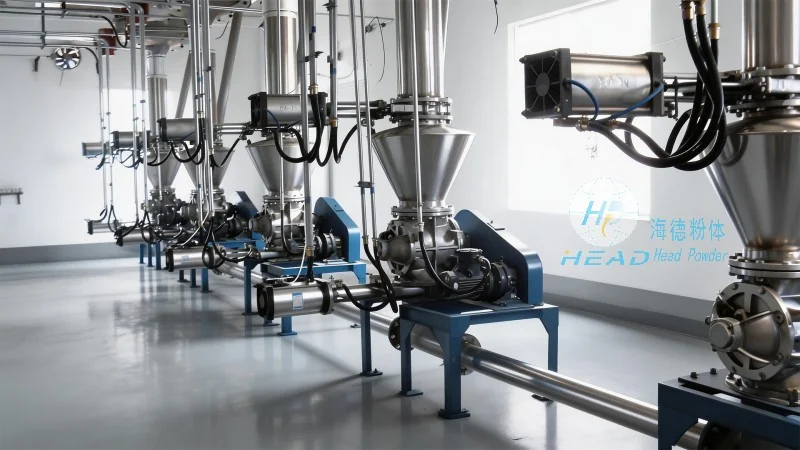
Applications and Industries Using Pneumatic Conveying for PEARL SALT
Pneumatic conveying systems for PEARL SALT granular materials are widely used in various industries, including food processing, chemical manufacturing, and pharmaceuticals. In the food industry, PEARL SALT is used as a seasoning and preservative, and pneumatic conveying ensures that the material is handled hygienically and without contamination. In chemical manufacturing, PEARL SALT may be used as a raw material or intermediate, and the system helps maintain the quality of the material during transport. The pharmaceutical industry also relies on pneumatic conveying for PEARL SALT, as it is often used in the production of medications and requires strict control over purity and contamination. The system's ability to handle materials in a closed environment makes it suitable for applications where product integrity is paramount. Additionally, the system's flexibility allows it to be integrated into existing production lines, reducing the need for major modifications or downtime.