

Operation Process and Working Principle of Asphalt Powder Material Pneumatic Conveying System
Asphalt powder is a critical material in the construction industry, and efficient handling of this material is essential for maintaining production efficiency and quality. Pneumatic conveying systems have emerged as a highly effective solution for transporting asphalt powder from storage to processing units. This article provides a detailed overview of the operation process and working principle of such systems, highlighting the key components, operational steps, and the advantages they offer in asphalt powder handling.
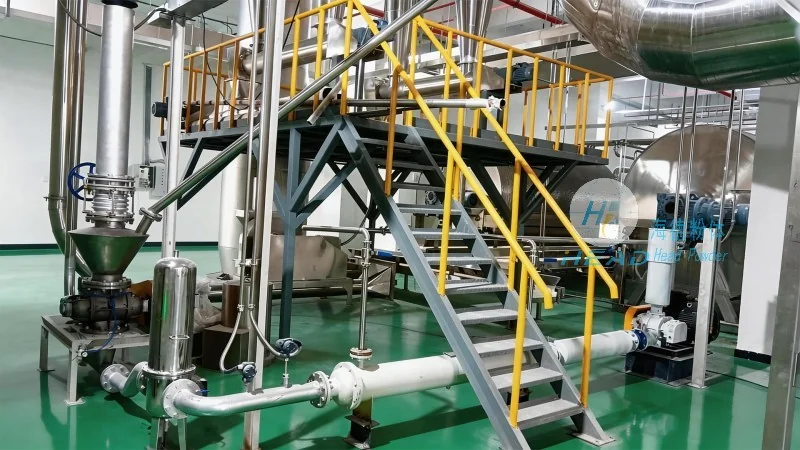
Company Profile: Shandong HeadPowder Engineering Co., Ltd.
Headpowder, a leading engineering company based in Shandong, China, specializes in the design, manufacturing, and installation of advanced material handling systems. With a strong commitment to innovation and quality, Headpowder has established itself as a trusted partner in the construction and infrastructure sectors. The company's expertise in pneumatic conveying technology ensures that clients receive customized solutions tailored to their specific asphalt powder handling needs.
Overview of Asphalt Powder Pneumatic Conveying Systems
Pneumatic conveying systems for asphalt powder utilize air or gas to transport the material through a network of pipes. These systems are designed to handle the unique properties of asphalt powder, such as its fine particle size and potential for dust generation. The primary goal is to achieve a reliable, low-maintenance, and cost-effective method of material transport that minimizes product degradation and ensures consistent flow rates.
Key Components of the Pneumatic Conveying System
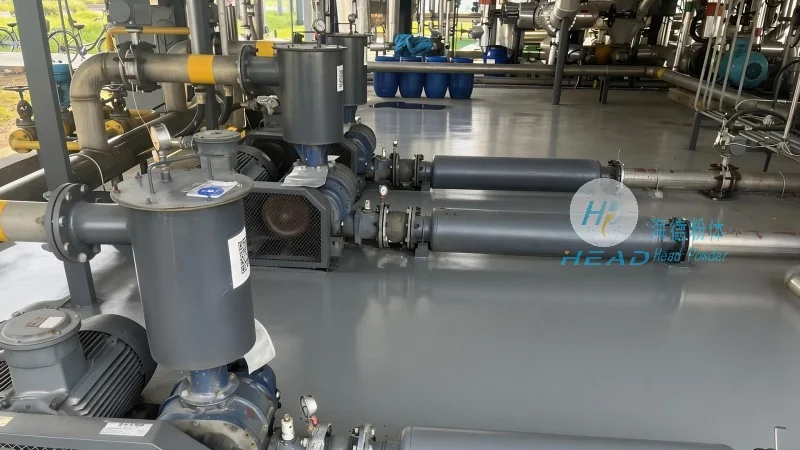
The asphalt powder pneumatic conveying system consists of several critical components that work in tandem to ensure smooth operation. These include the material hopper, which serves as the storage and feeding unit; the air compressor or blower, which generates the necessary air pressure; the conveying pipes, which transport the material; the control valves and regulators, which manage the air flow and pressure; and the dust collection and filtration system, which ensures environmental compliance and product purity.
Working Principle of the System
The operation of the asphalt powder pneumatic conveying system is based on the principle of creating a pressure differential within the conveying pipes. The air compressor supplies compressed air into the system, which is then introduced into the material hopper. As the air flows through the hopper, it lifts the asphalt powder particles and carries them through the pipes to the destination point. The system uses either positive pressure (where air is forced into the system) or negative pressure (where air is drawn out), depending on the specific application requirements. The control system monitors the pressure and flow rates, adjusting the air supply to maintain optimal conveying conditions.
Step-by-Step Operation Process
The operation process of the asphalt powder pneumatic conveying system involves several sequential steps:
1. **Material Loading**: Asphalt powder is loaded into the material hopper from a storage silo or truck. The hopper is equipped with a feeding mechanism, such as a rotary valve or screw feeder, to control the flow rate of the material.
2. **Air Supply Initiation**: The air compressor is activated, and compressed air is introduced into the system. The pressure is adjusted to the appropriate level based on the material characteristics and system design.
3. **Conveying Initiation**: The feeding mechanism starts to discharge the asphalt powder into the conveying pipe. The compressed air lifts the powder particles and propels them through the pipe network.
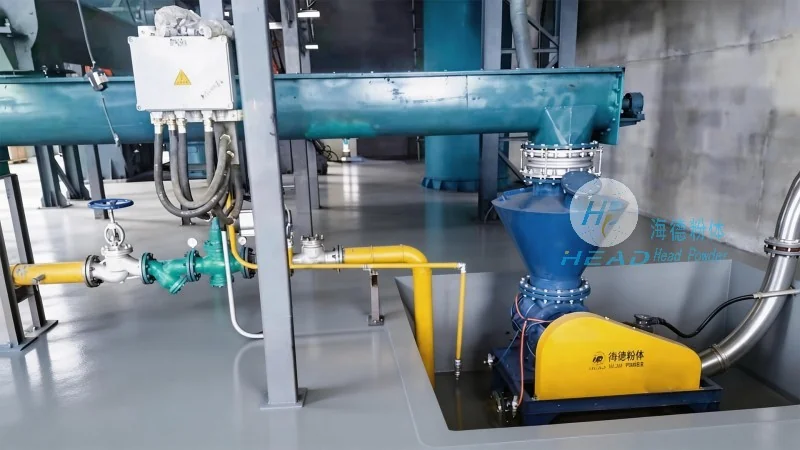
4. **Material Delivery**: The asphalt powder is transported to the processing unit, such as a mixing plant or storage silo. The system ensures that the material reaches the destination without significant loss or degradation.
5. **System Shutdown and Maintenance**: After the conveying operation is complete, the air compressor is turned off, and the system is allowed to depressurize. Regular maintenance, including cleaning of the pipes and filters, is performed to ensure long-term efficiency and reliability.
Advantages of Pneumatic Conveying Systems for Asphalt Powder
Pneumatic conveying systems offer several advantages over traditional methods of asphalt powder handling, such as belt conveyors or manual loading. These advantages include:
- **Reduced Product Degradation**: The enclosed system minimizes exposure to air and moisture, preventing the oxidation and hardening of asphalt powder.
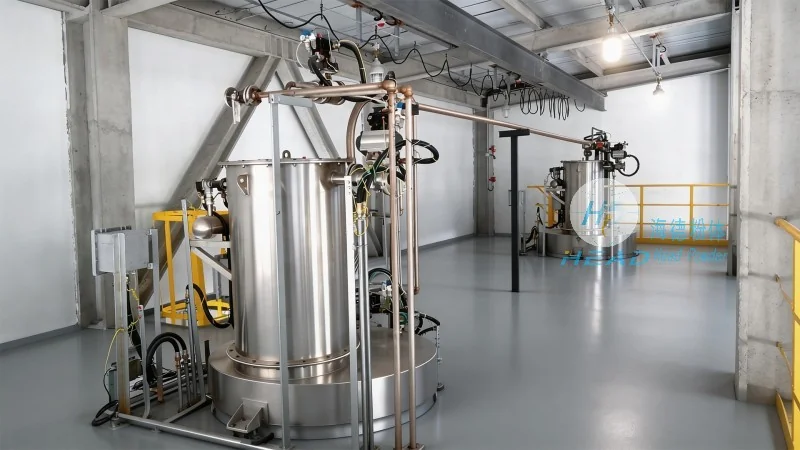
- **Improved Safety**: The system eliminates the need for manual handling of fine powders, reducing the risk of dust explosions and respiratory hazards.
- **Increased Efficiency**: The system can handle high volumes of material with minimal downtime, improving overall production throughput.
- **Lower Maintenance Costs**: The design of the system, with its few moving parts and enclosed components, reduces the need for frequent maintenance and repairs.
Conclusion
Pneumatic conveying systems are a highly effective solution for the efficient and safe handling of asphalt powder. By understanding the operation process and working principle of these systems, users can optimize their material handling operations and achieve better results. Shandong HeadPowder Engineering Co., Ltd. provides expert solutions in this field, ensuring that clients receive reliable and customized pneumatic conveying systems tailored to their asphalt powder handling needs.