

Operation Process and Working Principle of Cement Clinker Material Pneumatic Conveying System
Shandong HeadPowder Engineering Co., Ltd., a leading enterprise in the field of material handling solutions, specializes in the design, manufacturing, and installation of advanced pneumatic conveying systems tailored for cement clinker transportation. The company, often referred to as HeadPowder, leverages decades of industry experience to deliver efficient and reliable systems that meet the stringent demands of modern cement production facilities.
Core Components and Functionality of the Pneumatic Conveying System
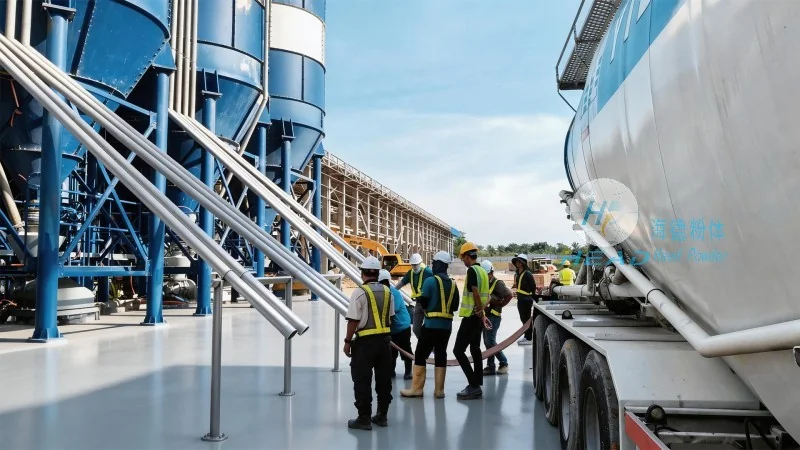
The cement clinker material pneumatic conveying system operates by utilizing a combination of air flow and pressure to transport bulk materials. At its core, the system comprises several key components, including a feeding hopper, a rotary valve, a conveying pipeline, a pulse jet filter, and a discharge hopper. The feeding hopper stores the cement clinker, and the rotary valve controls the flow of material into the pipeline. As air is introduced into the system, it creates a low-pressure zone that draws the clinker particles into the pipeline, where they are carried to the discharge point. The pulse jet filter ensures that the air used for conveying is clean and free from dust, maintaining system efficiency and compliance with environmental regulations.
Operation Process: From Loading to Discharge
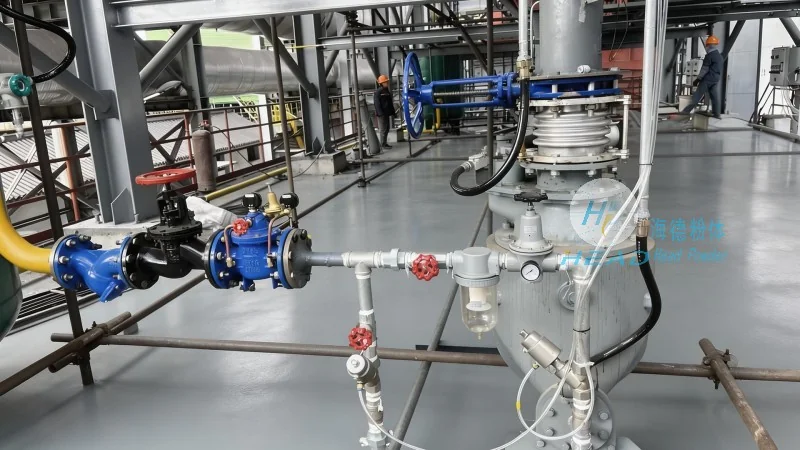
The operation of the pneumatic conveying system for cement clinker follows a systematic process. Initially, the clinker is loaded into the feeding hopper from the storage silo. The rotary valve then regulates the amount of material released into the conveying pipeline. Compressed air, typically supplied by a blower or fan, is introduced at the inlet of the pipeline, creating a pressure differential that propels the clinker forward. The material travels through the pipeline, which may include bends and vertical sections, with the air flow maintaining the particle suspension. Upon reaching the discharge point, the air flow is reduced, allowing the clinker to settle into the discharge hopper. The pulse jet filter continuously cleans the filter media, preventing clogging and ensuring the system operates smoothly over extended periods.
Working Principle: Air Flow Dynamics and Material Suspension
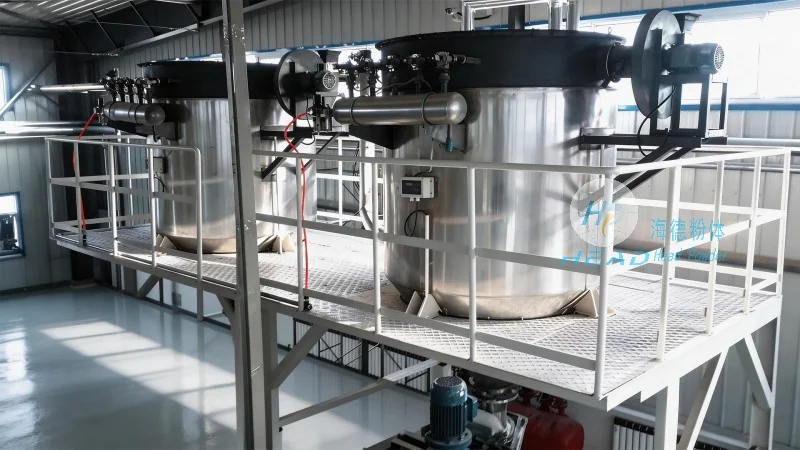
The working principle of the pneumatic conveying system relies on the fundamental physics of fluid dynamics and particle transport. When air is introduced into the conveying pipeline, it creates a velocity that is sufficient to suspend the cement clinker particles. The key to efficient operation is maintaining a consistent air flow rate and pressure. The system uses a combination of positive and negative pressure zones to move the material. In positive pressure systems, air is blown through the pipeline, pushing the material forward. In negative pressure systems, air is drawn through the pipeline, creating a vacuum that pulls the material. For cement clinker, a positive pressure system is often preferred due to its ability to handle abrasive materials and maintain consistent flow rates. The pulse jet filter plays a critical role by periodically cleaning the filter media, which prevents clogging and ensures that the air remains clean, thus protecting the downstream equipment and maintaining the overall efficiency of the conveying process.
Advantages of Pneumatic Conveying for Cement Clinker Handling
Compared to traditional mechanical conveying methods, such as belt conveyors or bucket elevators, pneumatic conveying systems offer several advantages for cement clinker handling. These include reduced material degradation due to minimal contact with system components, lower maintenance costs as there are fewer moving parts, and the ability to transport materials over long distances without the need for multiple transfer points. Additionally, the system is highly flexible, allowing for changes in material flow rates and destinations without significant modifications. The use of air as the conveying medium also enables the system to handle materials with varying particle sizes and moisture content, making it suitable for diverse cement production applications.
Application in Cement Production Facilities
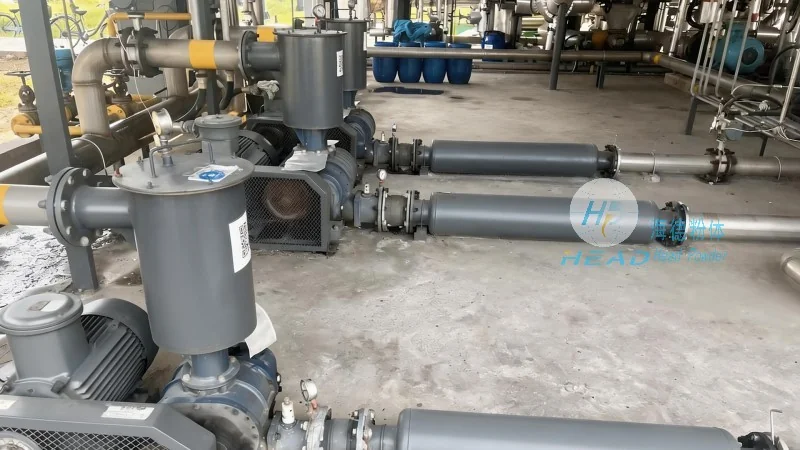
The cement clinker pneumatic conveying system is widely used in cement production facilities to transport clinker from storage silos to the kiln or other processing units. The system’s ability to handle large volumes of material efficiently and with minimal downtime makes it an essential component of modern cement plants. By integrating this system into their operations, cement manufacturers can improve production throughput, reduce labor costs, and enhance overall operational efficiency. The system’s reliability and durability, coupled with the expertise of companies like Shandong HeadPowder Engineering Co., Ltd., ensure that cement plants can maintain consistent production levels while adhering to environmental and safety standards.