

Inert Gas Circulation Material Pneumatic Conveying Equipment: Operation Process and Working Principl
HeadPowder, a leading provider of industrial material handling solutions, specializes in advanced inert gas circulation pneumatic conveying systems. This article explores the operation process and working principles of such equipment, highlighting its efficiency and reliability in various industrial applications.
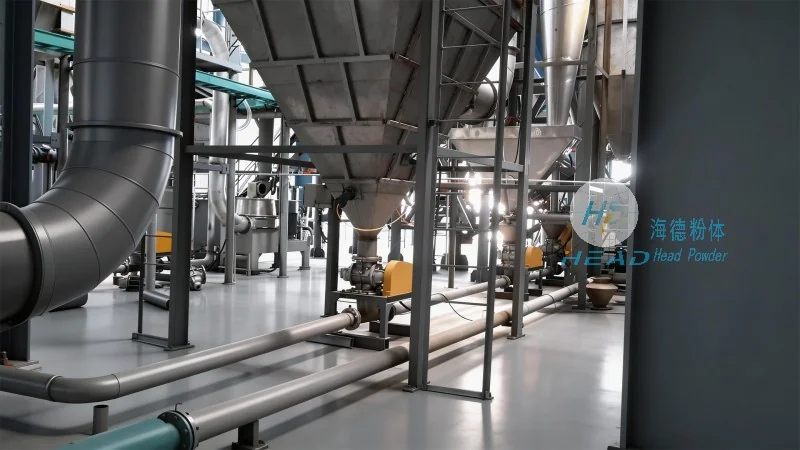
Introduction to Inert Gas Circulation Pneumatic Conveying
Inert gas circulation material pneumatic conveying equipment is a sophisticated system designed to transport bulk materials through a closed loop using inert gases like nitrogen or carbon dioxide. This method is particularly valuable in industries where material contamination or oxidation must be prevented, such as pharmaceuticals, food processing, and chemical manufacturing. The system operates by creating a pressure differential that moves material from a source to a destination while maintaining an inert atmosphere throughout the conveying line.
Key Components of the Pneumatic Conveying System
The inert gas circulation system comprises several critical components that work in tandem to ensure smooth material transport. These include the material feed hopper, which holds the bulk material; the gas circulation unit, responsible for maintaining the inert gas flow; the conveying line, which houses the material and gas; and the discharge unit, where the material is deposited. Each component is engineered to handle specific operational demands, ensuring durability and performance under various conditions.
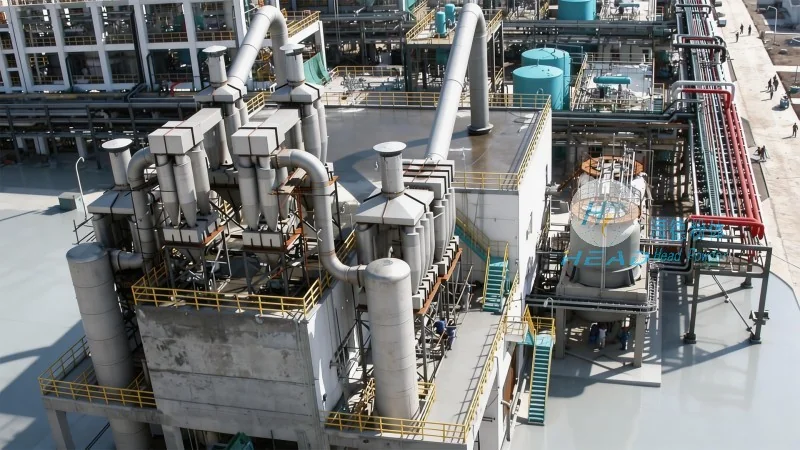
Working Principle: How the System Transports Materials
The operation of inert gas circulation pneumatic conveying equipment relies on the principle of gas-solid flow. The process begins with the material being fed into the hopper. An inert gas, typically nitrogen, is introduced into the system to displace air and create a controlled atmosphere. The gas then flows through the conveying line, carrying the material particles along with it. The pressure differential between the source and destination points drives the material movement. The system continuously recirculates the inert gas, maintaining a stable environment and preventing contamination. This closed-loop design minimizes gas consumption and ensures consistent material handling performance.
Operation Process: Step-by-Step Execution
The operation process of the inert gas circulation pneumatic conveying system involves several sequential steps. First, the material is loaded into the feed hopper. The system then activates the gas circulation unit, which begins to introduce the inert gas into the conveying line. As the gas flows, it picks up material from the hopper and transports it to the discharge point. The material is deposited at the destination, and the system continues to circulate the gas, maintaining the inert atmosphere. The process is automated, with sensors monitoring pressure, flow, and material levels to ensure optimal performance. This automated control enhances efficiency and reduces the need for manual intervention.
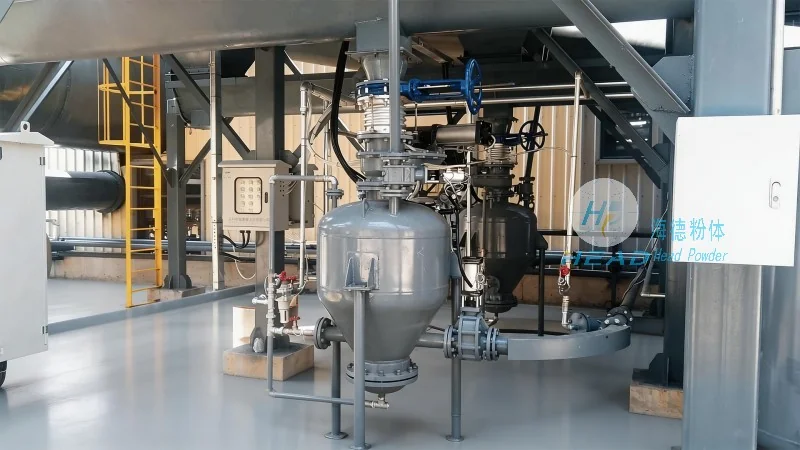
Advantages of Inert Gas Circulation Pneumatic Conveying
HeadPowder's inert gas circulation pneumatic conveying equipment offers numerous advantages over traditional conveying methods. The primary benefit is the prevention of material contamination and oxidation, which is crucial in industries where product purity is paramount. The closed-loop system also reduces energy consumption by recycling the inert gas, leading to cost savings and environmental benefits. Additionally, the system provides consistent material flow rates, minimizing variations in product quality. The equipment is also flexible, capable of handling a wide range of materials, from powders to granules, with minimal maintenance requirements.
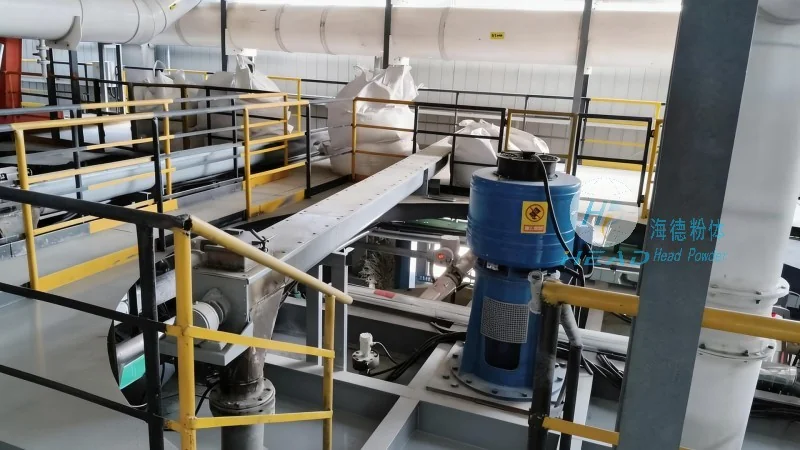
Applications in Industrial Settings
The inert gas circulation pneumatic conveying system is widely used in various industrial sectors. In the pharmaceutical industry, it ensures that sensitive drugs are transported without exposure to air or moisture. In food processing, it maintains the freshness and quality of ingredients by preventing oxidation and contamination. The chemical industry benefits from the system's ability to handle hazardous materials safely, as the inert gas environment eliminates the risk of chemical reactions. Other applications include the transportation of powders in the cosmetics, ceramics, and mining industries, where material purity and handling efficiency are critical.
Conclusion: The Role of HeadPowder in Advanced Material Handling
HeadPowder Engineering Co., Ltd., based in Shandong, China, is at the forefront of developing innovative inert gas circulation pneumatic conveying solutions. By combining advanced engineering with practical application, the company provides reliable equipment that meets the stringent requirements of modern industrial processes. The operation process and working principles of these systems ensure efficient, safe, and cost-effective material handling, contributing to improved productivity and product quality across various industries. As industries continue to demand higher standards of material handling, HeadPowder remains committed to delivering cutting-edge solutions that address the evolving needs of the market.