

Operation Process and Working Principle of Bottom-Loading Material Pneumatic Conveying Equipment
Shandong HeadPowder Engineering Co., Ltd. specializes in the design, manufacturing, and installation of advanced pneumatic conveying equipment. The bottom-loading material pneumatic conveying system is a critical component in bulk material handling, enabling efficient transport of powders and granules from storage silos to processing units. This article provides a detailed overview of the operation process and working principle of such systems, highlighting key components and the step-by-step functionality.
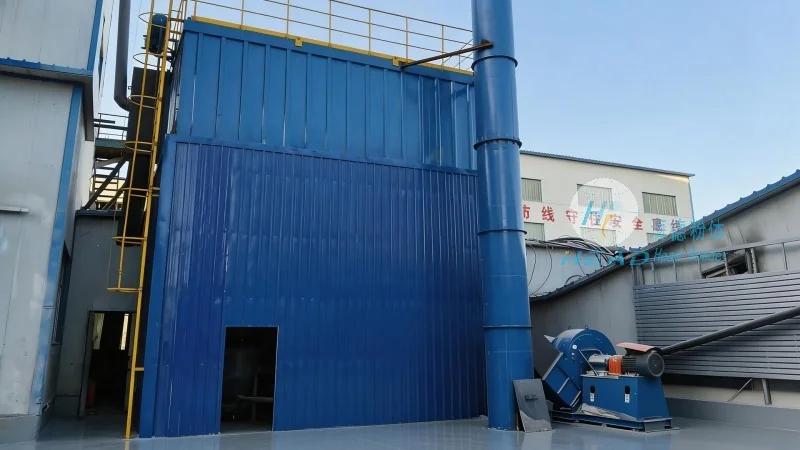
Key Components of Bottom-Loading Pneumatic Conveying Equipment
The bottom-loading system typically consists of several essential parts that work in concert to achieve efficient material transport. These include:
- Storage Silo: A large container where bulk materials are stored under pressure or vacuum.
- Bottom Discharge Valve: A mechanism located at the base of the silo that controls the release of material into the conveying line.
- Pneumatic Conveying Line: A network of pipes that transports the material using air pressure or suction.
- Air Compressor or Vacuum Pump: Provides the necessary air pressure or vacuum to move the material.
- Dust Collector (if applicable): Helps in controlling dust emissions during the conveying process.
- Control System: Manages the operation of the entire system, including valve actuation and air flow regulation.
Working Principle of the Bottom-Loading Pneumatic Conveying Process
The operation of a bottom-loading pneumatic conveying system follows a systematic sequence. Initially, the material is stored in the silo under a controlled pressure or vacuum. When the system is activated, the bottom discharge valve opens, allowing the material to enter the conveying line. Simultaneously, the air compressor or vacuum pump generates the required air pressure or suction. The air and material are then mixed in the conveying line, creating a slurry-like flow that propels the material forward. The material is transported through the pipes to the destination point, where it is discharged and collected. The control system ensures that the process is smooth and efficient, adjusting air flow and valve positions as needed to maintain optimal performance.
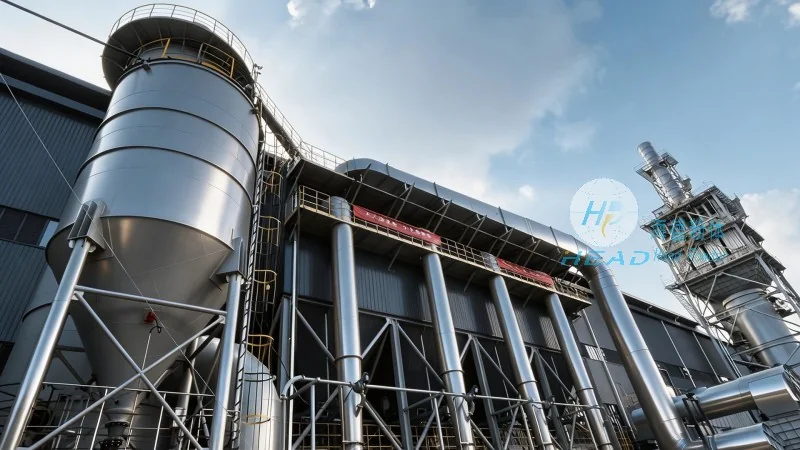
Step-by-Step Operation Process
1. Material Preparation: The bulk material is loaded into the storage silo, ensuring proper level and density.
2. System Activation: The control system initiates the operation by opening the bottom discharge valve and activating the air compressor.
3. Material Release: The bottom discharge valve opens, releasing the material into the conveying line.
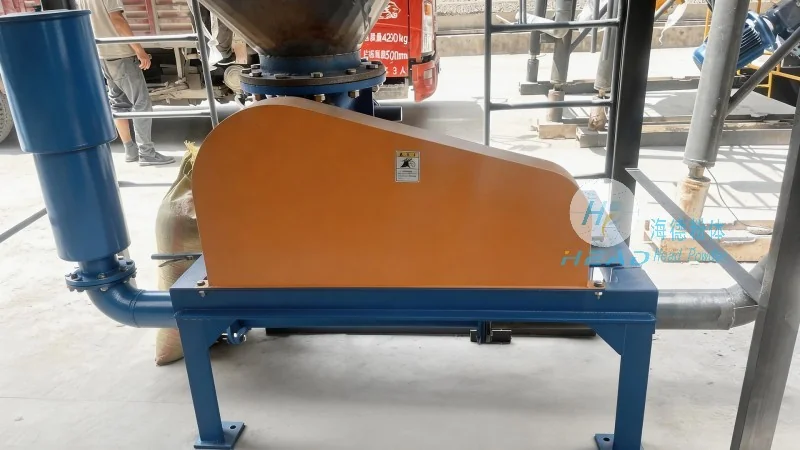
4. Air-Particle Mixing: The air from the compressor mixes with the material, forming a dense phase flow.
5. Transportation: The mixed flow moves through the conveying pipes to the receiving hopper or processing unit.
6. Material Discharge: At the destination, the material is discharged from the line, and the system returns to standby mode when the material is fully transferred.
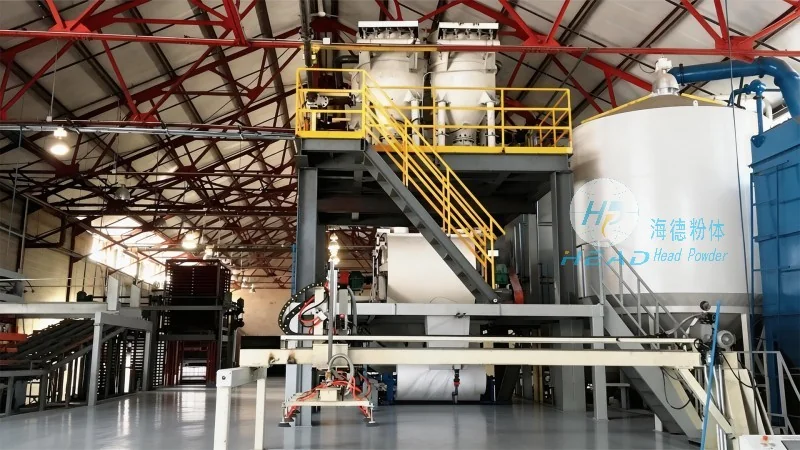
Advantages of Bottom-Loading Pneumatic Conveying Systems
This type of system offers several advantages over traditional methods, such as:
- Efficient Material Handling: Minimizes material waste and reduces labor costs by automating the transport process.
- Low Maintenance: Fewer moving parts compared to mechanical conveyors, leading to lower maintenance requirements.
- Versatility: Suitable for a wide range of materials, including powders, granules, and fine particles.
- Space Efficiency: Can be installed in confined spaces due to the flexible piping system.
- Environmental Benefits: Helps in controlling dust emissions, improving workplace safety and compliance with environmental regulations.
Conclusion
Shandong HeadPowder Engineering Co., Ltd. provides high-quality bottom-loading pneumatic conveying equipment that adheres to international standards. By understanding the operation process and working principle, users can optimize their material handling operations, enhance productivity, and ensure compliance with safety and environmental regulations. The company's expertise in designing customized solutions ensures that clients receive systems tailored to their specific needs, contributing to long-term operational efficiency and cost savings.