

Operation Process and Working Principle of Pneumatic Conveying Equipment for Sintered Ash Materials
For industrial applications involving the handling of sintered ash materials, efficient and reliable material transport is crucial. The pneumatic conveying equipment designed by Shandong HeadPowder Engineering Co., Ltd. offers a sophisticated solution that ensures seamless operation and optimal performance in material transfer processes. This equipment is engineered to handle the unique characteristics of sintered ash, providing a robust system for various industrial settings.

Overview of Pneumatic Conveying Technology for Sintered Ash
Pneumatic conveying systems utilize air or gas to transport bulk materials like sintered ash from one location to another. Unlike traditional mechanical conveying methods, this technology offers advantages such as reduced equipment wear, lower maintenance costs, and the ability to handle materials with varying particle sizes and moisture content. The system operates by creating a pressure differential that propels the material through a pipeline using air flow. This method is particularly effective for sintered ash, which often contains fine particles and requires gentle handling to prevent agglomeration or degradation.

Key Components and Their Functions in the Equipment
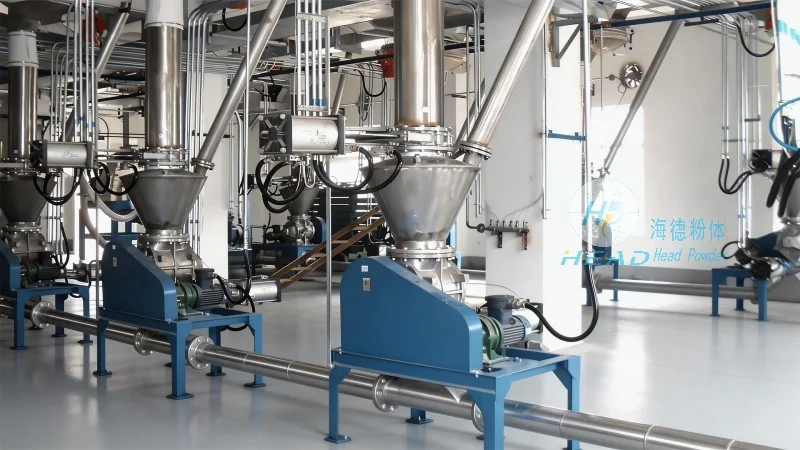
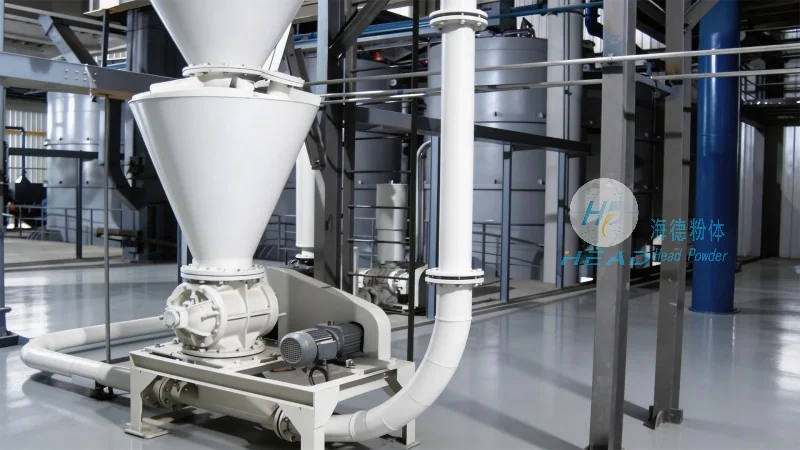
The pneumatic conveying equipment for sintered ash consists of several critical components that work in harmony to ensure efficient material transport. These components include the material hopper, which serves as the storage and feeding unit, ensuring a consistent supply of sintered ash to the system. The feeder, typically a rotary or screw type, regulates the flow rate of the material into the conveying line, preventing overloading and maintaining steady operation. The conveying pipeline, made from durable materials like stainless steel or special alloys, is designed to withstand the abrasive nature of sintered ash particles and resist corrosion from any residual moisture or chemicals. The air compressor or blower generates the necessary air pressure to move the material through the pipeline, with adjustable speed controls allowing for precise control over the conveying rate. The receiver or discharge hopper collects the material at the destination, ensuring a controlled and safe discharge process. Additionally, the system may include filtration and dust collection units to manage airborne particles and maintain environmental compliance.
Operation Process of the Pneumatic Conveying Equipment
The operation of the pneumatic conveying equipment for sintered ash begins with the loading of the material into the hopper. The feeder then regulates the flow of sintered ash into the conveying line, where it is mixed with the air stream generated by the blower. As the air flows through the pipeline, it carries the material particles forward, maintaining a consistent velocity to prevent particle settling or blockages. The system is equipped with sensors and control mechanisms that monitor pressure, flow rate, and material level, ensuring that the operation remains stable and efficient. At the destination, the material is discharged into the receiver, where it is collected for further processing or storage. The air, now containing any fine particles, passes through the filtration system, which captures the dust and returns clean air to the environment. This entire process is automated, with minimal human intervention required, enhancing operational efficiency and reducing labor costs.
Working Principle: How the Equipment Transports Sintered Ash
The working principle of the pneumatic conveying equipment relies on the principles of fluid dynamics and particle transport. When the blower starts, it creates a low-pressure zone in the conveying pipeline, which draws the sintered ash from the hopper into the air stream. The material particles are entrained by the air flow, and the combination of air velocity and particle size determines the conveying velocity. For sintered ash, which typically has fine particles, the system is designed to maintain a high air-to-material ratio to ensure effective transport without excessive energy consumption. The pipeline design, including bends and elbows, is optimized to minimize pressure losses and maintain the flow of material. The control system adjusts the air pressure and flow rate in real-time based on the material characteristics and system conditions, ensuring that the conveying process is optimized for efficiency and reliability. This dynamic adjustment allows the equipment to handle varying loads and material properties, making it versatile for different industrial applications.
Advantages of Using Pneumatic Conveying for Sintered Ash Handling
Implementing pneumatic conveying equipment for sintered ash offers several advantages over traditional methods. Firstly, it provides a dust-free and enclosed system, reducing the risk of environmental contamination and improving workplace safety. The enclosed pipeline prevents the release of fine particles into the air, which is beneficial for maintaining air quality and complying with environmental regulations. Secondly, the system is highly efficient in terms of energy consumption, as it uses air pressure to transport material without the need for mechanical components like belts or chains that can wear out over time. This results in lower maintenance costs and longer equipment lifespan. Thirdly, the equipment is flexible and can be easily integrated into existing industrial processes, allowing for modifications and expansions as needed. The ability to handle materials with varying particle sizes and moisture content makes it suitable for diverse applications, from small-scale operations to large industrial plants. Additionally, the automated control system enhances operational reliability, reducing downtime and ensuring consistent material flow. Overall, the pneumatic conveying equipment from Shandong HeadPowder Engineering Co., Ltd. offers a cost-effective and efficient solution for handling sintered ash, meeting the demands of modern industrial applications.