

Operation Process and Working Principle of Silica Powder Material Pneumatic Conveying Equipment
Understanding the operation process and working principle of silica powder pneumatic conveying equipment is crucial for optimizing material handling in industrial applications. This equipment is designed to efficiently transport fine powders like silica powder through a pneumatic system, ensuring reliable and continuous material movement. The following sections provide a detailed overview of how these systems function and the key components involved.
Key Components and Their Roles
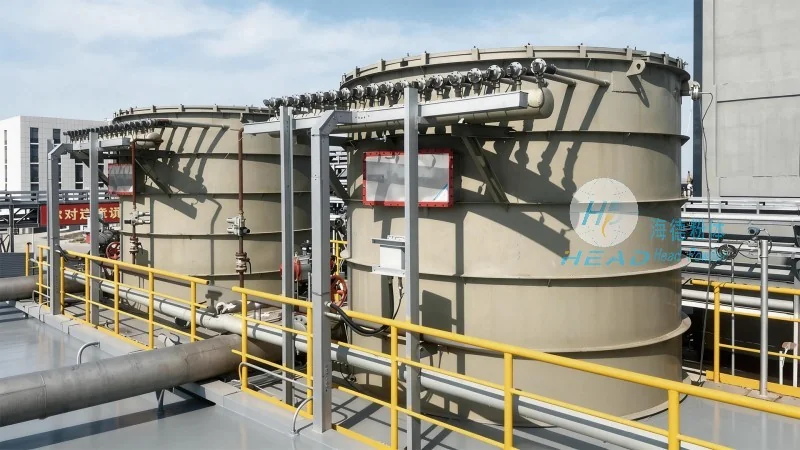
The silica powder pneumatic conveying system typically consists of several essential components that work in tandem to achieve effective material transport. The primary components include a hopper for material storage, a blower or compressor to generate the necessary air pressure, a pipeline network to guide the material flow, and a receiver or discharge point for the material. Each component plays a critical role in the overall operation, ensuring that the silica powder is conveyed safely and efficiently.
Operation Process of the Pneumatic Conveying System
The operation process of the silica powder pneumatic conveying equipment begins with the material being fed into the hopper. The hopper is equipped with a feeder, such as a rotary valve or a screw feeder, which controls the flow rate of the silica powder into the system. Once the material is in the hopper, the blower or compressor starts operating, creating a pressure differential within the pipeline. This pressure difference causes the air to flow through the pipeline, and as the air moves, it entrains the silica powder particles, forming a dense phase or dilute phase flow depending on the system design. The conveyed material is then directed to the receiver or discharge point, where it is collected and used for further processing. The entire process is automated, allowing for consistent and continuous material handling without manual intervention.
Working Principle: How Pneumatic Conveying Transports Silica Powder
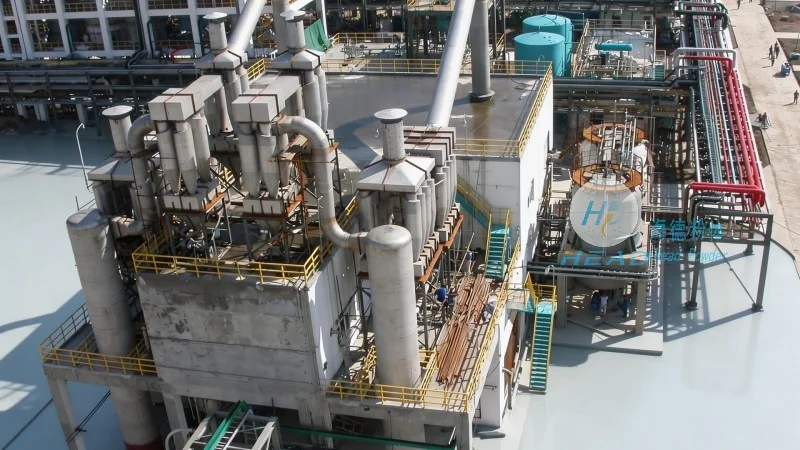
The working principle of the silica powder pneumatic conveying system is based on the principle of fluidization and particle suspension. When the air is introduced into the pipeline at a sufficient velocity, it creates a flow that can lift and transport the silica powder particles. The key is to maintain the correct air velocity and pressure to ensure that the particles remain suspended in the air stream without settling or clogging the pipeline. The system can operate in either positive pressure or negative pressure modes. In positive pressure systems, the blower pushes air and material through the pipeline, while in negative pressure systems, a vacuum is created to draw the material into the pipeline. The choice of system depends on the specific application and the characteristics of the silica powder being transported.
Benefits of Using Silica Powder Pneumatic Conveying Equipment
Implementing silica powder pneumatic conveying equipment offers several advantages for industrial operations. Firstly, it provides a dust-free and clean material handling solution, which is essential for maintaining a safe and healthy working environment. Unlike traditional belt or bucket elevators, pneumatic conveying systems do not generate dust, reducing the risk of respiratory issues and contamination. Secondly, these systems offer high efficiency and reliability, with minimal downtime and maintenance requirements. The automated operation ensures consistent material flow, which is critical for maintaining production schedules. Additionally, pneumatic conveying systems are flexible and can be easily integrated into existing production lines, allowing for seamless material transfer between different processes. The equipment also helps in reducing material loss and waste, as the system is designed to minimize spillage and leakage.
Applications in Industrial Settings
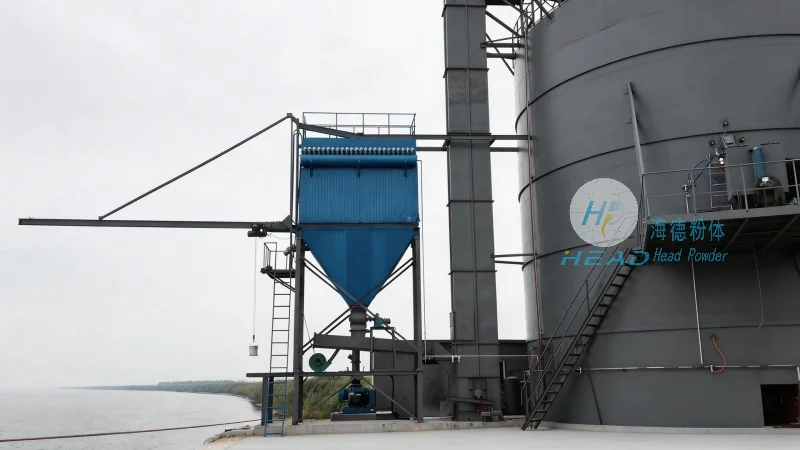
Silica powder pneumatic conveying equipment is widely used in various industrial sectors that handle fine powders. In the chemical industry, it is used to transport raw materials and finished products, such as silica-based chemicals and pigments. In the food industry, it is employed to handle food-grade silica powders, ensuring that the material is transferred without contamination. The construction industry also utilizes these systems for transporting silica sand and other fine aggregates, which are essential for concrete and mortar production. Additionally, in the pharmaceutical industry, pneumatic conveying is used to handle pharmaceutical powders, maintaining strict hygiene and safety standards. The versatility of the system makes it suitable for a wide range of applications, making it a preferred choice for industries that require efficient and reliable material handling solutions.
Maintenance and Operational Considerations
Proper maintenance and operational considerations are essential to ensure the longevity and efficiency of the silica powder pneumatic conveying equipment. Regular inspection of the blower and compressor is necessary to ensure that they are operating at optimal performance levels. The pipeline network should be checked for any signs of wear or damage, as this can lead to air leaks and reduced conveying efficiency. The hopper and feeder should be cleaned regularly to prevent material buildup and clogging. Additionally, the system should be operated within the recommended pressure and flow rates to avoid overloading the components. By following these maintenance practices, the equipment can operate reliably for extended periods, minimizing downtime and maintenance costs.