

Operation Process and Working Principle of Positive Pressure Blowing Material Pneumatic Conveying Li
Positive pressure blowing material pneumatic conveying lines are advanced industrial equipment designed for efficient and reliable material transportation in various industries. These systems utilize a positive pressure approach to move bulk materials through a pipeline network, ensuring safe and controlled handling of powders, granules, and other particulate substances. The technology has become a cornerstone in sectors such as food processing, pharmaceuticals, chemicals, and mining, where precise material handling is critical to operational efficiency and product quality.
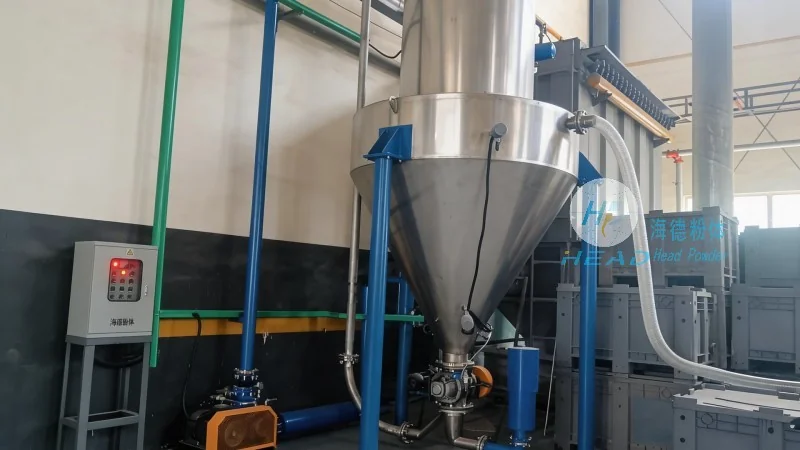
Overview of Positive Pressure Pneumatic Conveying Systems
At the core of positive pressure blowing systems is the generation of a high-pressure air stream that propels material particles through the conveying line. Unlike negative pressure systems, which rely on suction to draw materials, positive pressure systems actively push material forward, offering greater flexibility in system design and the ability to handle longer distances and higher material loads. The system typically consists of a blower, material feed hopper, conveying line, and discharge equipment, with each component working in tandem to ensure smooth material flow.
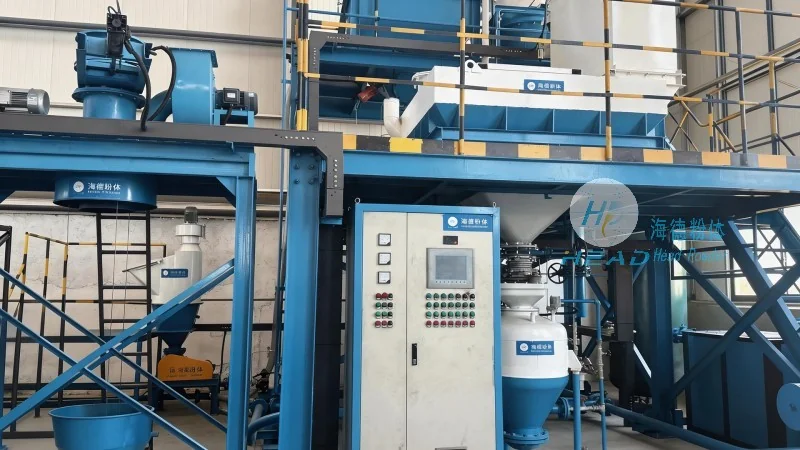
Key Components and Their Functions
The effectiveness of a positive pressure pneumatic conveying line depends on the proper integration of several key components. The blower, often a centrifugal or positive displacement type, provides the necessary air pressure to move material. The material feed hopper is equipped with a feeder, such as a rotary valve or screw feeder, which controls the rate of material discharge into the conveying line. The conveying line itself is made of durable materials like stainless steel or PVC, designed to withstand the pressure and abrasion from the material being transported. Finally, the discharge equipment, which may include a rotary valve or cyclone separator, collects the material at the end of the line, separating it from the air stream for safe handling.
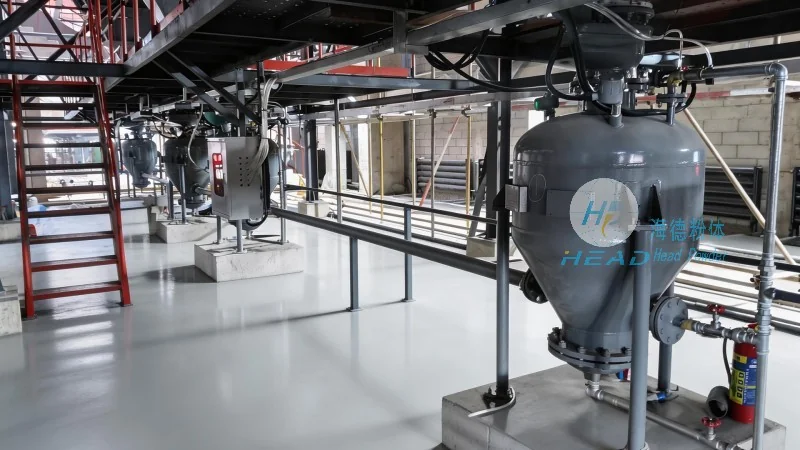
Operation Process of the System
The operation of a positive pressure blowing material pneumatic conveying line follows a systematic sequence. First, the blower is activated, creating a high-pressure air flow. Simultaneously, the material feeder starts, feeding the bulk material into the conveying line at a controlled rate. The high-pressure air then entrains the material particles, forming a dense mixture known as a "pneumatic slurry." This mixture travels through the pipeline, maintaining the material's velocity and preventing settling. At the discharge end, the air and material are separated, with the material collected in a hopper or storage container and the air either vented or recirculated, depending on the system design.
Working Principle: How It Works
The working principle of positive pressure pneumatic conveying is based on the fundamental physics of fluid dynamics and particle transport. The system operates by creating a pressure differential between the inlet and outlet of the conveying line. The blower generates a pressure higher than the ambient air pressure at the discharge end, which forces the air and material mixture through the pipeline. The material particles are suspended in the air stream due to the drag force exerted by the air, which is proportional to the particle size, density, and air velocity. The design of the system, including the blower capacity, feeder speed, and pipeline diameter, is critical to achieving optimal material transport efficiency and minimizing pressure losses.
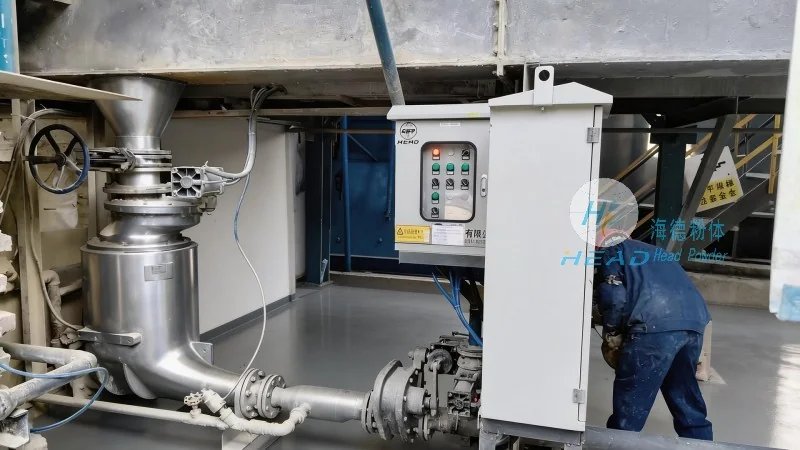
Applications and Benefits in Industrial Settings
Positive pressure blowing material pneumatic conveying lines are widely used across various industries due to their versatility and efficiency. In the food industry, they are employed for transporting ingredients like flour, sugar, and spices, ensuring hygienic and dust-free handling. In pharmaceutical manufacturing, the systems are used to convey raw materials and finished products, maintaining strict contamination control. The chemical industry utilizes these lines for transporting powders and granules, such as pigments and catalysts, while the mining sector relies on them for handling bulk minerals and ores. The primary benefits of these systems include reduced labor costs, improved safety by eliminating manual handling, increased production throughput, and the ability to transport materials over long distances without the need for intermediate storage or transfer points.