

Operation Process and Working Principle of Quantitative Weighing Material Pneumatic Conveying Lines
Quantitative weighing material pneumatic conveying lines are advanced industrial systems designed for the efficient and precise transport of bulk materials. These systems integrate pneumatic conveying technology with precise weighing mechanisms, enabling accurate measurement and controlled delivery of materials in various industrial applications. The technology is widely used in sectors such as chemical, food, pharmaceutical, and mining, where reliable material handling and process control are critical.
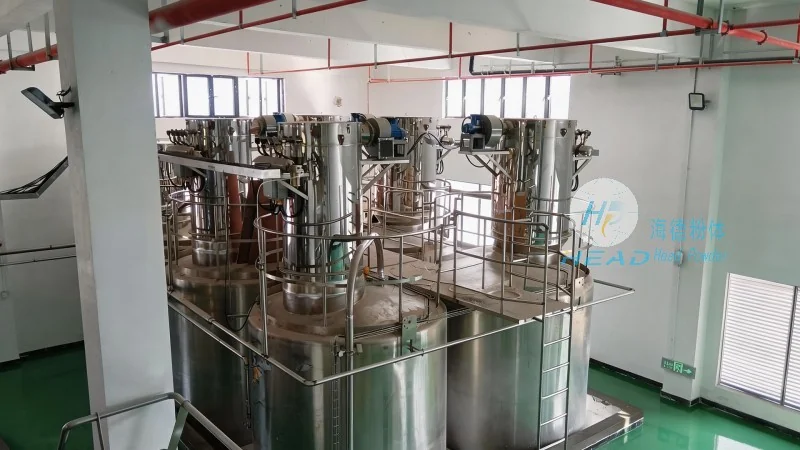
Key Components and Their Functions
The quantitative weighing material pneumatic conveying line typically consists of several core components that work in concert to achieve efficient material transport and weighing. These components include the material hopper, feeder, pneumatic conveying system, weighing scale, and control system. Each component plays a vital role in the overall operation of the system.
The material hopper is the initial storage unit where raw materials are loaded. It is designed to hold a sufficient quantity of material to ensure continuous operation of the conveying line. The feeder, often a screw or rotary valve, regulates the flow of material from the hopper into the conveying line. This component ensures a consistent and controlled feed rate, which is crucial for maintaining the accuracy of the weighing process.
The pneumatic conveying system is the heart of the material transport mechanism. It uses compressed air to move the material through a pipeline network. The system may include blowers, filters, and pressure vessels to manage air flow and material transport. The choice of conveying method—such as positive or negative pressure—depends on the material characteristics and the required transport distance.
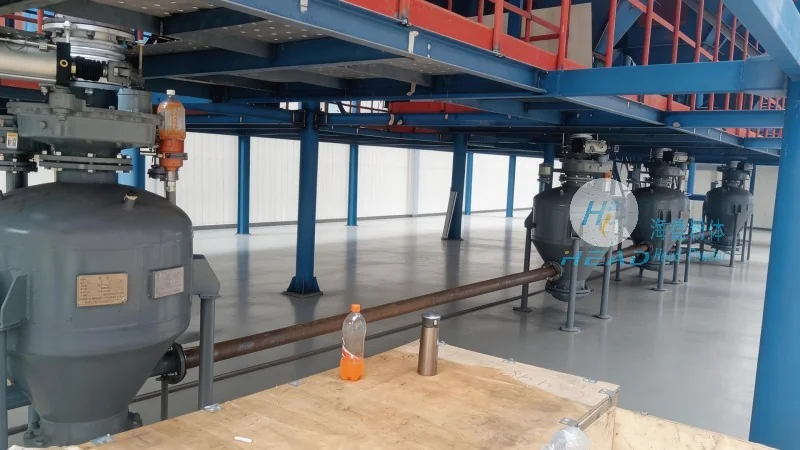
The weighing scale is integrated into the system to provide real-time measurement of the material mass being conveyed. This component is typically a load cell or a digital scale that accurately measures the weight of the material as it passes through the line. The data from the scale is then processed by the control system to adjust the feed rate and ensure the desired output is achieved.
The control system manages all operational aspects of the conveying line. It monitors parameters such as material flow rate, air pressure, and scale readings, and adjusts the feeder and blower settings accordingly. This closed-loop control ensures that the system operates within optimal parameters, minimizing waste and maximizing efficiency.
Operation Process of the Pneumatic Conveying Line
The operation of a quantitative weighing material pneumatic conveying line follows a systematic sequence to ensure accurate material transport and weighing. The process begins with the loading of raw materials into the material hopper. The feeder then starts to discharge material into the pneumatic conveying system at a controlled rate. Simultaneously, the compressed air from the blower is introduced into the pipeline, creating a flow that propels the material forward.
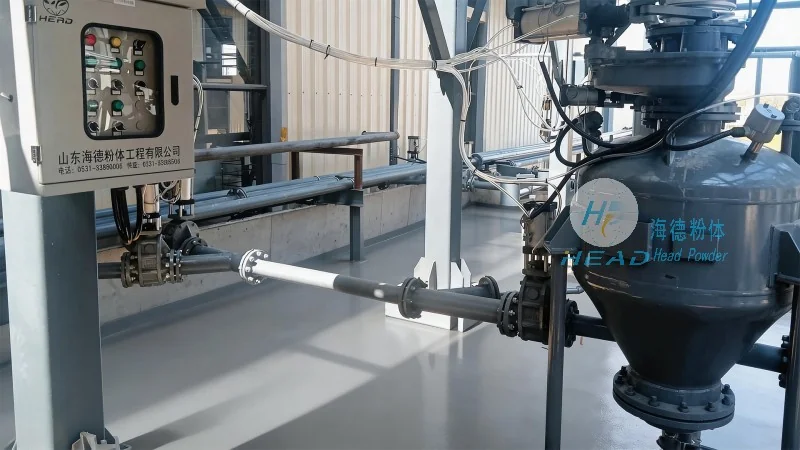
As the material travels through the pipeline, it passes through the weighing scale. The scale measures the mass of the material in real time and sends this data to the control system. The control system analyzes the weight data and adjusts the feeder speed to maintain the desired output rate. This feedback loop ensures that the material is conveyed at a consistent rate, preventing overloading or underloading of the system.
The material continues to move through the pipeline network until it reaches the discharge point, where it is collected in a receiving hopper or storage tank. Throughout the process, the system continuously monitors and adjusts parameters to maintain optimal performance. The integration of weighing and pneumatic conveying ensures that the material is transported with high accuracy and minimal loss.
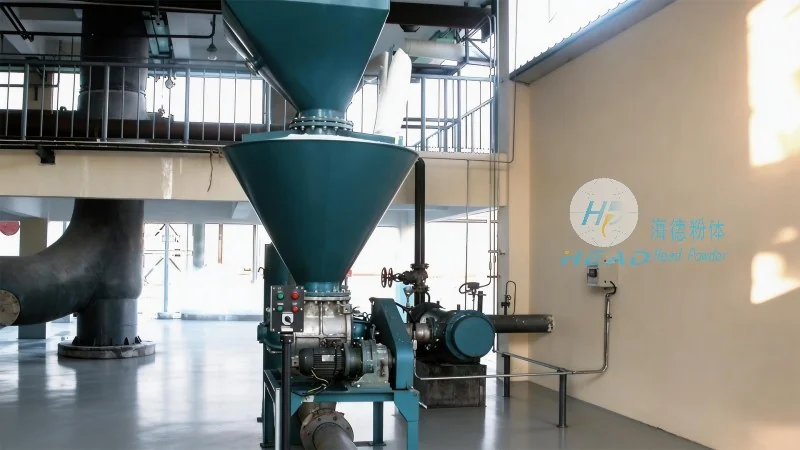
Working Principle of the System
The working principle of the quantitative weighing material pneumatic conveying line is based on the combination of pneumatic transport and precise weighing technology. The system operates by using compressed air to create a flow that moves the material through the pipeline. The material is suspended in the air stream and transported to the destination. The weighing scale is positioned at a critical point in the pipeline to measure the mass of the material being conveyed.
The control system uses the weight data from the scale to regulate the feed rate from the hopper. This closed-loop control ensures that the material is conveyed at a consistent rate, regardless of variations in material density or pipeline pressure. The system is designed to handle a wide range of materials, from fine powders to bulk solids, by adjusting the air pressure and conveying method as needed.
The integration of these components allows for a highly efficient and reliable material handling solution. The quantitative weighing feature provides accurate measurement of the material being transported, which is essential for process control and quality assurance in industrial applications. The pneumatic conveying system offers flexibility in material transport, allowing for long-distance and complex route configurations without the need for mechanical components like conveyors or elevators.