

Operation Process and Working Principle of Sesame Material Pneumatic Conveying Lines
Pneumatic conveying systems are widely used in the food processing industry for transporting bulk materials like sesame seeds. These systems offer an efficient, hygienic, and dust-free method to move materials from one location to another. The operation of a sesame material pneumatic conveying line involves several key components and processes that work together to ensure smooth and reliable material transfer. In this article, we will explore the detailed operation process and working principle of such a system, highlighting the technology and engineering behind it.
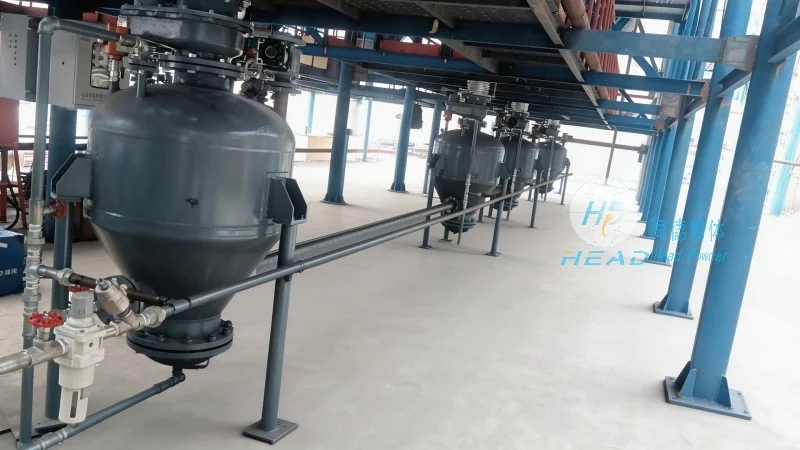
Key Components of a Sesame Material Pneumatic Conveying Line
A typical sesame material pneumatic conveying line consists of several essential components that ensure the efficient transport of materials. These components include the material hopper, feeders, air compressor, conveying pipes, dust collectors, and control systems. The material hopper is where the sesame seeds are stored before being fed into the system. The feeder, often a rotary valve or a screw feeder, regulates the flow of the material into the conveying line. The air compressor generates the necessary air pressure to move the material through the pipes. The conveying pipes are made of materials like stainless steel or plastic, designed to withstand the pressure and prevent material degradation. The dust collector is crucial for maintaining air quality and ensuring compliance with environmental regulations. The control system monitors and regulates the entire process, ensuring optimal performance and safety.
Operation Process of the Sesame Material Pneumatic Conveying Line
The operation of a sesame material pneumatic conveying line begins with the loading of sesame seeds into the material hopper. The feeder then starts to discharge the material at a controlled rate, ensuring a consistent flow. The air compressor then activates, generating the required air pressure. As the air flows through the conveying pipes, it picks up the sesame seeds and transports them to the destination point, such as a storage silo or a processing unit. The system is designed to maintain a stable pressure and flow rate, preventing blockages and ensuring the material reaches its destination without loss or degradation. The dust collector continuously removes any fine particles or dust from the air, ensuring that the exhaust air is clean and meets environmental standards. The control system monitors all parameters, such as pressure, flow rate, and material level, and adjusts the operation as needed to maintain optimal performance.
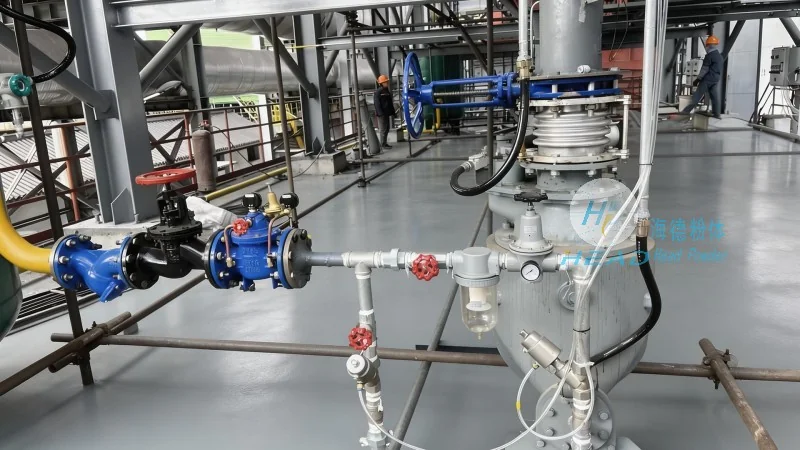
Working Principle of the Pneumatic Conveying System
The working principle of a pneumatic conveying system relies on the movement of air to transport the material. There are two main types of pneumatic conveying: pressure and vacuum systems. In a pressure system, the air compressor provides the pressure, pushing the material through the pipes. In a vacuum system, a vacuum pump creates a negative pressure, drawing the material into the system. For sesame material, a pressure system is often preferred as it offers better control over the material flow and reduces the risk of blockages. The system operates by creating a pressure differential between the inlet and outlet of the conveying line. The air pressure forces the sesame seeds to move along the pipes, with the material being carried by the air stream. The velocity of the air is crucial, as it must be sufficient to lift and transport the material without causing excessive wear on the pipes or components. The design of the system, including the pipe diameter, length, and bends, is carefully calculated to ensure efficient material transport and minimize energy consumption.
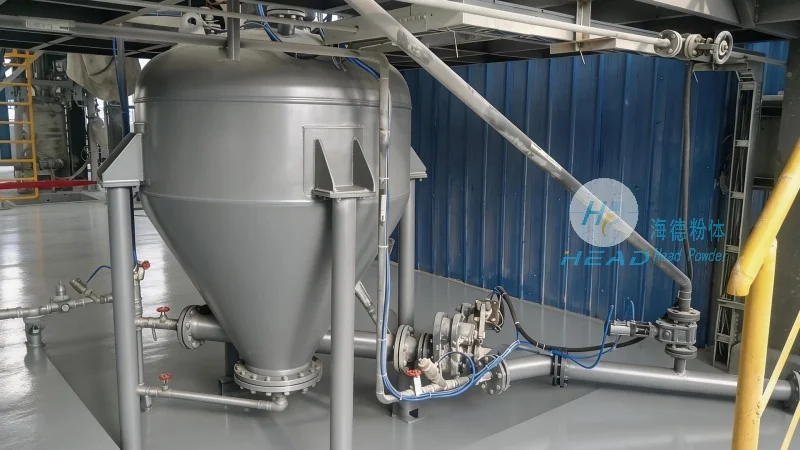
Benefits and Applications of Sesame Material Pneumatic Conveying Lines
Sesame material pneumatic conveying lines offer several benefits over traditional methods like belt conveyors or bucket elevators. These systems are hygienic, as they keep the material enclosed and prevent contamination from dust or other particles. They are also dust-free, reducing the risk of respiratory issues for workers and maintaining a clean working environment. The systems are compact and can be installed in various configurations, making them suitable for different production layouts. Additionally, they are energy-efficient, as they use less power compared to other material handling systems. The applications of these systems are widespread in the food processing industry, including the transport of sesame seeds from storage to processing units, from processing to packaging, and from packaging to distribution centers. They are also used in other industries, such as pharmaceuticals and chemicals, where the transport of bulk materials requires high levels of hygiene and efficiency.
About Shandong HeadPowder Engineering Co., Ltd.
Shandong HeadPowder Engineering Co., Ltd., also known as headpowder, is a leading manufacturer and supplier of pneumatic conveying systems and related equipment. The company specializes in designing and manufacturing high-quality, customized solutions for the food processing industry, including sesame material pneumatic conveying lines. With years of experience and a team of skilled engineers, headpowder provides reliable and efficient systems that meet the highest standards of quality and performance. The company's headquarters is located in Shandong, China, and it serves clients worldwide with its advanced technology and excellent customer service. Headpowder is committed to providing innovative solutions that enhance the efficiency and productivity of its clients' operations, ensuring that they meet the demands of the modern food processing industry.